
Life Style
How to Consider and Where to Begin with Residential Outdoor Lighting Design?

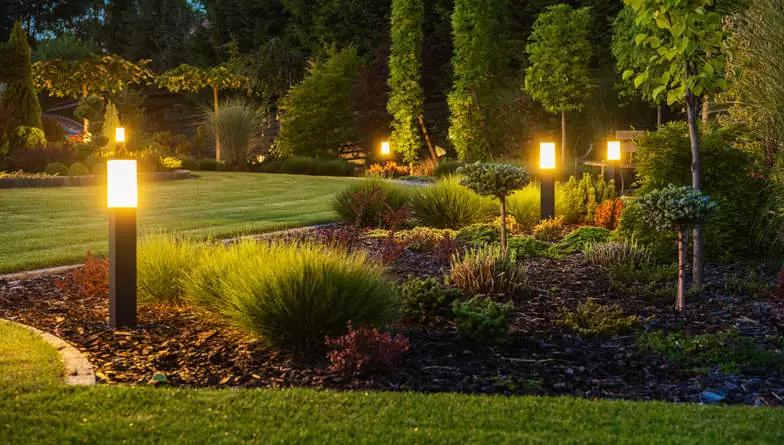
The majority of homeowners who wish to upgrade the outside lighting on their property are unsure of where to start because there are so many possibilities. Fixture selection should come after design selections, not before, thus the initial reaction is usually to explore fixture styles and choose ones that are appealing.
However, this method usually yields disjointed results. Selecting fixtures before setting design objectives is similar to selecting paint colors prior to determining the type of space you wish to create.
Effective outdoor lighting design necessitates a series of considerations that begin with the property and its unique features before deciding on individual fixtures or light sources. Knowing this order makes it easier for homeowners to view outdoor lighting as a coherent design project rather than as a collection of separate purchases that might or might not result in a final product.
Astoria Lighting Co. uses this design-first method for all residential outdoor lighting projects, and the results are consistent enough to warrant a thorough explanation for homeowners who are just beginning this process.
Starting With How the Property Is Actually Used After Dark

Since diverse usage patterns result in completely distinct lighting goals that no general design approach can equally satisfy, the most pertinent design starting point is an honest assessment of how the outside spaces of a particular property are actually utilized and experienced after dark.
Lighting objectives are fundamentally different for a property whose outdoor spaces are largely experienced from inside the home through windows and glass doors than for a property where outdoor entertaining on a covered patio is a typical evening activity.
A private property back from the road under mature screening trees has different requirements than a corner lot that is clearly visible and where street presence is important.
Identifying the Property’s Visual Assets
Every property has visual assets that outdoor lighting can highlight and reveal, such as mature trees with intriguing branching structures, architectural details that define the home’s character, water features that, when properly lit, change dramatically after dark, garden beds with seasonal interest and textural variety, and hardscaping elements that add visual interest to the landscape composition.
Accent lighting choices that are truly unique to the property are based on identifying these assets and figuring out which are most vital, visible from key perspectives, and worth revealing after dark. Instead of choosing what lighting to add and then locating subjects for it, the objective is to determine what the property currently has that merits viewing after dark.
Understanding the Practical Requirements First
Prior to making aesthetic choices, the property’s practical lighting needs must be well identified. These include functional illumination for certain activity areas, such as outdoor dining and cooking spaces; security considerations for areas around the property perimeter that would otherwise remain unlit; safety requirements for steps, pathways, and grade changes that create navigation hazards after dark; and any applicable ordinance requirements for residential exterior illumination.
Setting a Realistic Budget and Planning a Phased Approach
The majority of homeowners benefit from considering outdoor lighting as a project that may evolve carefully over time rather than one that requires a complete system installed in a single phase. Complete outside lighting systems for residential properties span a large investment range. Planning for phased development makes it possible to allocate funds while guaranteeing that each stage yields a comprehensive and aesthetically cohesive outcome as opposed to partial covering that leaves an incomplete impression.
The home’s entrance, the main route from parking to the door, and the most noticeable landscape focal point that can be seen from the street or within the house are usually the first sections to be phased. As funding permits and as priorities change as a result of the first installation, subsequent phases extend coverage to more landscape areas, outdoor living areas, and more expansive architectural aspects.
Choosing a Lighting Partner Who Understands Design
In outdoor lighting projects, the quality of the design process is just as important as the quality of the installation. Fixture-selection approaches cannot match the results produced by a partner who knows how layering, contrast, and shadow work together to create visual depth, who can translate homeowner preferences and property characteristics into a cohesive design, and who approaches the project with knowledge of both the technical and aesthetic dimensions.
Astoria Lighting Co. offers the design know-how, high-quality installation, and continuous support that transforms a property’s exterior from adequately lit to genuinely designed, revealing what the property contains after dark in a way that serves both daily enjoyment and long-term property value throughout the years the system remains in service for homeowners prepared to approach outdoor lighting as the design project it truly is rather than a series of individual purchasing decisions.

UK reality TV remains one of the most entertaining and talked-about parts of British popular culture. In 2026, audiences are still drawn to programmes that combine real personalities, competition, relationships, unexpected moments and plenty of drama. While the way people watch television has changed, the appeal of reality shows has remained remarkably strong.
From dating and cooking competitions to celebrity challenges and lifestyle programmes, British reality TV continues to offer something for almost every type of viewer.
Why Is UK Reality TV Still So Popular?
One of the biggest reasons for the success of reality television is its unpredictable nature. Unlike scripted dramas, reality programmes often create situations where viewers do not know exactly what will happen next.
Contestants can form friendships, experience disagreements, overcome challenges or surprise audiences with their decisions. This sense of unpredictability encourages viewers to keep watching.
Reality TV also feels more accessible than many traditional television formats. Viewers can connect with contestants because they are often ordinary people placed in unusual or challenging situations.
The Rise of Streaming and On-Demand Viewing
The UK television audience has become increasingly comfortable with watching programmes whenever they want. Streaming and catch-up services have made it easier for viewers to follow reality shows without being tied to a traditional broadcast schedule.
This has also helped reality TV reach younger audiences. Social media clips, short videos and online discussions can generate interest in a programme even among people who did not watch the original episode.
As a result, a reality show can continue creating conversation long after an episode has finished.
UK Reality TV Dating Shows Continue to Attract Attention
Dating reality programmes remain a major part of British entertainment. Their popularity comes from a simple formula: relationships, competition, personality clashes and emotional moments.
Viewers often become invested in particular contestants and follow their relationships throughout a series. Social media adds another layer, as audiences can discuss contestants’ behaviour, predictions and favourite couples online.
The format has also evolved, with producers experimenting with different twists and challenges to keep familiar concepts feeling fresh.
Celebrity Reality TV Has Its Own Appeal
Celebrity-focused reality programmes continue to attract audiences because they offer a different view of familiar personalities. People who are normally seen on stage, on screen or in sport can become contestants, judges or participants in completely different environments.
These programmes can show a more relaxed or competitive side of celebrities and often create memorable moments that spread quickly across social platforms.
For broadcasters and streaming services, celebrity reality TV can also be an effective way to attract viewers who already recognise the people involved.
Competition Shows Keep Viewers Invested

Competition is another major reason British reality TV remains successful. Cooking, singing, dancing, business and survival-style formats give viewers a clear reason to keep watching.
Audiences can support their favourite contestants, predict winners and follow their progress from episode to episode. The gradual elimination process creates suspense while allowing contestants to develop throughout the programme.
This combination of competition and personality makes reality TV particularly easy to follow.
Social Media Has Changed UK Reality TV
In 2026, reality television and social media are closely connected. A single moment from a programme can quickly become a discussion topic online.
Platforms such as TikTok, Instagram and YouTube allow viewers to share reactions, clips and opinions. Contestants can also build their own online audiences during and after a programme.
This means the popularity of a reality show is no longer measured only by television viewing figures. Online conversations, searches and social engagement can also contribute to a show’s cultural impact.
British Reality TV Keeps Evolving
Although some reality TV formats have been around for years, the genre continues to change. Producers are introducing new concepts, different challenges and more interactive experiences to reflect changing audience habits.
There is also greater variety in the types of people appearing on television.
The future of UK reality TV is therefore likely to involve a mixture of traditional broadcasting, streaming and social media.
What Makes UK Reality TV Different?
British reality television has developed its own distinctive style. Humour, personality, everyday British culture and strong character-driven storytelling are often central to successful programmes.
Whether viewers are watching contestants compete for a prize or celebrities taking on an unfamiliar challenge, the focus is usually on personality. This gives British reality TV a strong entertainment value while allowing viewers to become emotionally invested in the people they watch.
The Future of UK Reality TV
Reality television is unlikely to disappear anytime soon. Instead, it will continue adapting to new technology and changing viewing habits.
In 2026, audiences have more entertainment choices than ever, so reality programmes need to offer strong personalities, engaging stories and moments worth discussing. Shows that successfully create a connection between viewers and participants can remain popular across television, streaming platforms and social media.
Final Thoughts
UK reality TV continues to thrive because it is flexible, unpredictable and easy to connect with. From dating and celebrity programmes to cooking and competition formats, the genre provides entertainment that encourages viewers to watch, react and share their opinions.
As viewing habits continue to evolve in 2026, British reality shows are likely to remain an important part of the UK’s entertainment landscape. Their ability to create conversation and turn ordinary moments into memorable television is what keeps audiences coming back.
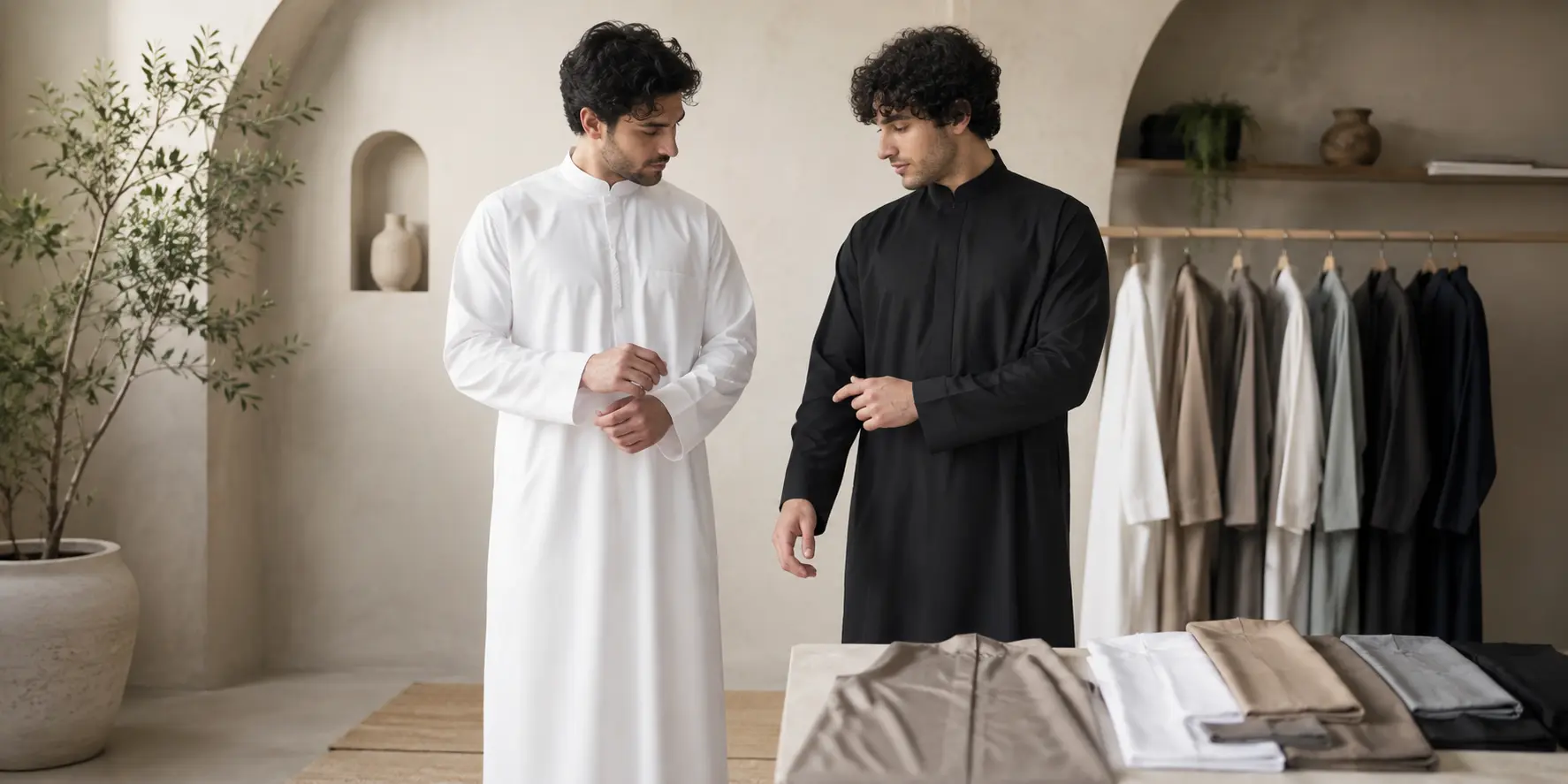
Choosing the right thobe is about more than simply picking a colour or design. A well-fitting thobe should feel comfortable, look neat, and allow enough freedom of movement for everyday activities. With many styles, fabrics, and sizes available in the UK Fashion, finding the right one can sometimes feel confusing.
Whether you are buying your first thobe or looking to upgrade your wardrobe, understanding fit, length, fabric, and sizing can make the process much easier.
What Makes a Thobe Fit Well?
A good thobe should provide a comfortable fit without being excessively tight or overly loose. The shoulders should sit naturally, the sleeves should provide adequate coverage, and the overall length should work well with your height and footwear.
The ideal fit also depends on how you plan to wear the thobe. A thobe for everyday use may need to be slightly more practical and relaxed, while one chosen for formal occasions may have a more structured appearance.
1. Thobe Get the Length Rightm
Length is one of the most important factors when choosing a thobe.
A thobe that is too long can feel inconvenient when walking, sitting, or using stairs. On the other hand, one that is too short may not provide the appearance or coverage you want.
Before ordering online, check the seller’s size guide carefully. Measure from the appropriate shoulder point down to your preferred hem length and compare this measurement with the garment’s sizing information.
Remember that sizing can vary between brands, so avoid relying only on your usual clothing size.
2. Thobe Pay Attention to Shoulder Fit
The shoulders are another key area to check.
A well-fitting thobe should sit comfortably across the shoulders without pulling or creating excessive fabric around the upper body. If the shoulders are too narrow, movement can become uncomfortable. If they are too wide, the thobe may look unnecessarily oversized.
When buying online, look for measurements such as chest width, shoulder width, sleeve length, and overall length.
3. Thobe Choose the Right Sleeve Length
Sleeves should be long enough to provide comfortable coverage while allowing natural movement.
Very long sleeves can become inconvenient during everyday activities, while sleeves that are too short can make the thobe feel poorly fitted.
Consider how you will use the thobe. If you are purchasing one for regular wear, comfort and ease of movement should be major priorities.
4. Select a Fabric Suitable for the UK
The UK’s changing weather makes fabric an important consideration.
For warmer months, lightweight and breathable fabrics can be more comfortable. During colder seasons, slightly heavier materials may provide greater comfort, especially when worn with suitable layers.
If you want a versatile option, consider a fabric that is comfortable indoors and outdoors and does not require excessive maintenance.
5. Consider How You Will Wear It
Think about where and when you are most likely to wear your thobe.
For everyday use, you may prefer a simple design with a comfortable fit. For special occasions, weddings, Eid, or formal gatherings, you might choose a more refined style with additional detailing.
There is no single perfect thobe for everyone. The best choice depends on your lifestyle, personal preferences, and the occasions for which you intend to wear it.
6. Don’t Ignore the Material and Care Instructions
A thobe can look great when new, but the fabric’s care requirements also matter.
Before purchasing, check whether the garment is machine washable, requires special care, or may shrink after washing. Easy-care fabrics can be particularly useful for those intended for frequent wear.
Following the manufacturer’s washing and ironing instructions can also help the garment maintain its shape and appearance.
7. Check the Size Guide Before Ordering Online
Buying clothing online is convenient, but sizes are not always identical between brands.
Instead of automatically selecting the size you normally wear, compare your measurements with the retailer’s specific size chart.
Useful measurements may include:
- Chest
- Shoulder width
- Sleeve length
- Overall thobe length
- Waist or hip measurement, depending on the design
If you are between two sizes, check whether the brand recommends sizing up or down and look for information about the garment’s cut.
8. Think About Comfort as Well as Appearance
A thobe should look smart, but comfort should not be overlooked.
You may spend several hours wearing it at a gathering, during prayers, while travailing, or at home. A comfortable fit allows you to sit, walk, and move naturally without constantly adjusting the garment.
Small details such as breathable fabric, suitable sleeve length, and an appropriate cut can make a significant difference.
Common Mistakes to Avoid
One of the most common mistakes is choosing a thobe based only on the letter size, such as S, M, L, or XL. These labels can differ considerably between manufacturers.
Another mistake is choosing a length without considering your height and preferred fit. Buying purely for appearance can also lead to selecting a fabric that is unsuitable for the UK’s weather or your everyday routine.
Finally, do not overlook return and exchange policies when shopping online. A clear returns policy can be especially useful if you are trying a particular brand for the first time.
Should You Choose a Tailored or Ready-Made Thobe?
Both options have advantages.
Ready-made thobes are convenient and often available in a wide range of sizes, colours, and fabrics. They can be a practical choice for everyday wear.
A tailored thobe, however, can offer a more personalised fit. This may be useful if standard sizing does not work well for your proportions or if you want a particular style for a special occasion.
Final Thoughts
Finding a thobe that actually fits does not have to be difficult. The key is to look beyond the size label and consider measurements, length, shoulder fit, sleeve length, fabric, and how you intend to wear the garment.
For men in the UK, choosing a suitable fabric is especially important because the weather can change significantly throughout the year. By checking measurements carefully and prioritising both comfort and practicality, you can choose a thobe that looks smart and feels comfortable throughout the day.
The right thobe is ultimately one that fits your body, suits your lifestyle, and gives you confidence whenever you wear it.
FAQs
1. How should a thobe fit?
A thobe should feel comfortable around the shoulders and chest while allowing easy movement. It should not be excessively tight or overly loose.
2. How do I choose the correct thobe length?
Measure from the shoulder down to your preferred hem length and compare it with the brand’s size guide before ordering.
3. Which thobe fabric is best for the UK?
Lightweight, breathable fabrics are useful during warmer weather, while slightly heavier fabrics can be more comfortable during colder months.
4. Should I buy a larger thobe if I am between sizes?
Not always. Check the individual brand’s measurements and sizing recommendations rather than relying only on the standard S, M, L, or XL label.
5. Can I wear a thobe for everyday use in the UK?
Yes. A simple, comfortable thobe made from a practical fabric can be suitable for everyday wear, travel, gatherings, and religious occasions.

Dating in the UK is changing in 2026. While dating apps remain an important way for people to meet, many singles are becoming tired of endless swiping and conversations that never turn into real dates. At the same time, genuine communication, shared values, and relationships that feel natural are gaining popularity. The dating landscape is becoming more diverse than ever, ranging from using AI-powered dating features to meet people through friends and social events. Here are some of the biggest dating and relationship trends shaping the UK in 2026.
1. Singles Are Looking for More Meaningful Connections
One of the biggest trends in 2026 is a move towards quality rather than quantity.
Instead of collecting matches, many people want to find someone who genuinely shares their interests, values and lifestyle. British Gen Z research also points towards a strong interest in steady, meaningful relationships, with authenticity and compatibility becoming increasingly important.
This means dating profiles and conversations are becoming less about looking perfect and more about showing personality.
2. Dating Apps Are Facing Burnout

Dating apps are still widely used, but enthusiasm for endless swiping appears to be changing.
Research published in the UK found that 53% of single adults surveyed would rather move away from dating apps and try more traditional ways of meeting potential partners. Among Gen Z respondents, the figure was even higher.
This does not mean dating apps are disappearing. Instead, people are becoming more selective about how much time and energy they put into them.
3. Real-Life Dating Is Coming Back
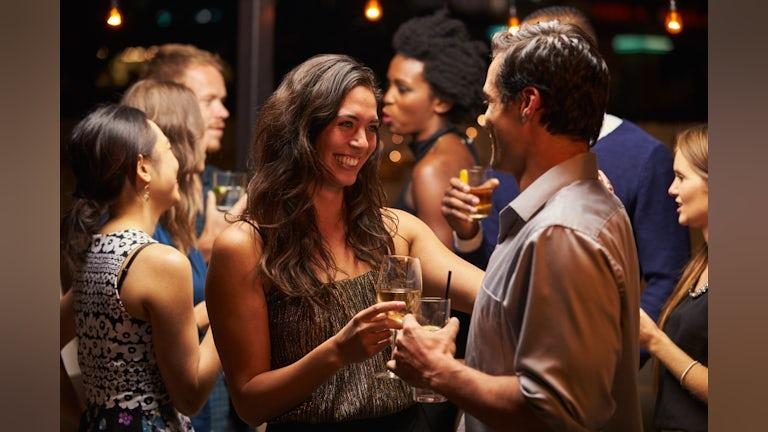
The return of face-to-face socializing in the UK in 2026 is one of the most intriguing dating trends. Singles are increasingly looking for opportunities to meet people through friends, speed-dating events, hobbies, pubs and social gatherings. Friends use humorous PowerPoint presentations to present potential matches at “Date My Mate” events, which have emerged as a novel alternative to conventional dating apps in London. The appeal is simple: meeting someone in person can feel more spontaneous and authentic than judging a profile based on a few photographs.
4. Friends Are Becoming Matchmakers Again
In today’s dating, friends are becoming increasingly important. 42% of young singles in Tinder’s 2025 Year in Swipe study said that their friends have an impact on their dating lives, and 37% said they plan to try group or double dates. Dating may become more social and less stressful as a result of this trend. People can meet potential partners in a group, where conversations may feel more natural, rather than meeting a complete stranger on their own.
5. Clear Communication Matters More
In 2026, mixed signals will become less appealing. Many daters want to know what the other person is looking for rather than spending weeks trying to interpret messages. Tinder’s research describes this shift as a move towards clearer intentions and more honest communication.
For modern relationships, being open about expectations can help prevent misunderstandings and make dating less complicated.
6. Emotional Availability Is Attractive
Being emotionally available is becoming a bigger part of attraction.
People increasingly want partners who can communicate their feelings, listen properly and handle difficult conversations without immediately disappearing. Tinder’s 2026 trend research found that honest conversations and empathy after rejection were important themes among young singles.
In other words, emotional maturity is becoming just as important as physical attraction.
7. Low-Pressure First Dates Are Popular

The traditional idea of an elaborate first date is losing some of its appeal.
Coffee, walks, casual drinks and simple activities can make first meetings feel less intimidating. Tinder reported that playful, low-pressure activities such as walks and coffee were among the preferred first-date styles in its research.
Also, it’s easier for two people to focus on talking on a simple date instead of worrying about creating the perfect romantic experience.
8. AI Is Entering the Dating World
Artificial intelligence is becoming another part of online dating in 2026.
Dating platforms are experimenting with AI features designed to help users start conversations, improve profiles and discover potential matches. Hinge has introduced AI-related features aimed at helping users express themselves, while major dating companies are increasingly exploring AI-powered matchmaking.
However, AI is unlikely to replace genuine chemistry. Even though a tool can help someone start a conversation, actual human interaction is still essential to the relationship.
9. Dating App Rules Are Changing
Dating apps themselves are changing in response to user behavior.
In August 2026, Bumble announced that it was removing its traditional rule requiring women to make the first move in heterosexual matches. The company said either person can now start the conversation, while the time available to respond has also been extended.
The change reflects a wider shift in the dating-app industry as companies try to respond to user fatigue and changing expectations.
10. Kissing and Physical Intimacy Are Being Reconsidered
The shifting attitude toward physical intimacy is an unexpected relationship conversation in 2026. Recent UK reporting based on YouGov data found that more than a third of British adults said they were kissing less frequently than five years ago. Particular concerns have been raised regarding young people’s romantic relationships, confidence, and social interaction. This does not imply that romance is dying out. Instead, it suggests that people may be taking longer to become comfortable with physical intimacy and emotional vulnerability.
What Do UK Singles Want in 2026?
Overall, the UK dating scene appears to be moving towards authenticity, clarity and genuine connection.
People still want romance, but many are becoming less interested in games, confusing communication and endless online conversations. They want to meet someone who fits their lifestyle, respects their boundaries and is willing to communicate honestly.
For younger people especially, shared values and emotional compatibility are becoming important parts of choosing a partner.
Final Thoughts
Dating and relationship trends in the UK are changing rapidly in 2026. Dating apps remain part of modern romance, but singles are increasingly exploring alternatives such as social events, group dates, speed dating and introductions through friends.
At the same time, clear communication, emotional availability, shared values and low-pressure dating are becoming more important.
The biggest trend may therefore be a simple one: people want dating to feel more human again. Whether someone meets a partner through an app, a friend or a London pub event, genuine conversation and compatibility still matter most.
-

 Crypto1 month ago
Crypto Trading May Be Algorithmic in the Future, but Not Completely Autonomous
-

 Fashion3 months ago
Here are the Top 8 Luxury Clothing Brands in the UK for 2026?
-

 Technology & AI4 months ago
Depomin82: Rethinking Digital Infrastructure for a Smarter Connected Future
-

 Fashion3 months ago
How to Build a Capsule Wardrobe on a UK Budget?
-

 Business4 months ago
The Hidden Expenses in eCommerce Accounting: The Reasons Most UK Online Retailers Calculate Profit incorrectly
-

 Celebrity2 months ago
Liam Costner: Life, Career, and Family Beyond Hollywood
-

 Blog4 months ago
mmsbre: Reimagining Digital Connectivity in a Hyper-Intelligent World
-

 Blog4 months ago
Fanisco: The Quiet Architecture Behind Tomorrow’s Digital Connections