
UK News
UK Water Restrictions 2026: Hosepipe Bans, Affected Areas and What You Need to Know


Water restrictions have become an important issue across the UK in 2026 as prolonged dry weather, high temperatures and falling water levels put pressure on supplies. While restrictions are not automatically the same across the whole country, several areas are facing temporary measures designed to reduce unnecessary water use.
The situation is particularly serious in England. By the middle of August 2026, the Environment Agency estimated that 71% of England’s land area was experiencing drought conditions. England had also received only 6% of its long-term average rainfall during August so far.
Why Are Water Restrictions Being Introduced in 2026?
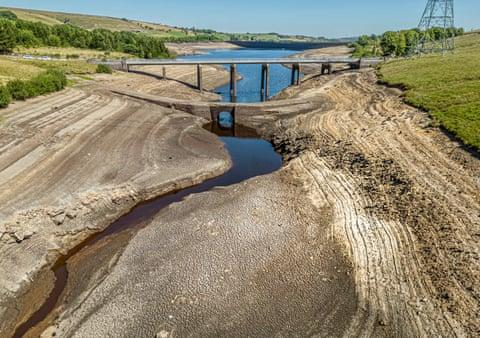
The main reason behind the current restrictions is the unusually dry weather.
England had a very dry July, with only about 10% of its long-term average rainfall for the month. The lack of rain has affected rivers, groundwater and reservoirs, while demand for water has remained high during periods of warm weather.
Reservoir storage has also fallen. The latest government assessment reported that storage across England had dropped to around 69%, approximately 11.6% below the long-term average for the time of year. Several reservoirs were described as exceptionally low.
Water companies have been taking steps to reduce demand as less precipitation is anticipated to quickly replenish supplies.
What Is a Hosepipe Ban?
A hosepipe ban is officially known as a Temporary Use Ban (TUB). It allows a water company to temporarily restrict certain uses of mains water when supplies are under pressure.
The specific regulations may differ between regions and water companies. Generally, restrictions can affect activities such as watering gardens with a hosepipe, washing cars, cleaning patios and filling swimming or paddling pools.
Households still have access to normal drinking water despite a hosepipe ban. Everyday activities such as drinking, cooking, washing and personal hygiene can generally continue as normal, subject to the specific rules announced by the relevant water company.
Which Areas Are Affected?
There is not a single hosepipe ban that applies to all UK households.
For instance, on August 8, 2026, South West Water imposed temporary restrictions on customers in Devon, Cornwall, parts of Dorset, Somerset, and the Isles of Scilly.ashing cars and patios, and filling swimming or paddling pools were among the restrictions. Wessex Water has also announced a hosepipe ban beginning on 18 August 2026 after prolonged dry weather and high demand.
This means people should check the latest announcement from their own water supplier rather than assuming that restrictions apply throughout the UK.
What Can You Still Do During a Water Restriction?
A hosepipe ban normally focuses on unnecessary or discretionary outdoor water use rather than essential household activities.
People can generally continue using water for essential purposes such as:
- Drinking water
- Cooking
- Showering and bathing
- Washing hands
- Washing clothes
- Cleaning dishes
- Other essential household hygiene
However, the precise exemptions depend on the water company’s rules. Some circumstances may qualify for exceptions, so residents should check the conditions applying to their postcode.
What Activities May Be Restricted?

Depending on the specific Temporary Use Ban, restrictions can include using a hosepipe to:
- Water a private garden
- Wash a car
- Clean patios and driveways
- Fill a swimming pool
- Fill a paddling pool
- Clean outdoor surfaces
- Water certain plants
- Clean boats or other private recreational equipment
The Environment Agency explains that Temporary Use Bans can cover a range of discretionary outdoor activities.
Could Water Restrictions Become More Serious?
The current situation does not mean the UK is heading immediately towards household water cuts or standpipes.
Drought management progresses through distinct phases.
Government drought planning describes measures ranging from increased water-saving communication to temporary restrictions and, at more serious levels, restrictions on non-essential business water use.
As a result, preserving supplies and reducing unnecessary water use are the immediate priorities for the majority of households.
How Can UK Households Save Water?
Even where there is no hosepipe ban, households can help reduce pressure on local supplies.
Simple steps include taking shorter showers, fixing leaking taps and toilets, running washing machines and dishwashers only when full, and avoiding unnecessary outdoor watering.
During hot weather, gardeners can also consider watering plants during cooler parts of the day and collecting rainwater when conditions allow.
Small reductions in household consumption can make a difference when millions of people are using water during prolonged dry weather.
What Does the 2026 Drought Mean for the UK?
The current situation demonstrates how quickly water resources can come under pressure after a prolonged period without significant rainfall.
Although water restrictions vary by location, the wider drought situation is affecting rivers, groundwater and reservoirs across England. The Environment Agency reported that no part of England was at Normal status in its latest assessment, while several regions had moved into drought status.
The situation could change if substantial rainfall arrives, but continued dry weather could lead to additional restrictions in some areas.
Final Thoughts
UK water restrictions in 2026 are primarily a response to an unusually prolonged period of dry weather and high water demand. The most visible measures are hosepipe bans and other Temporary Use Bans, but these restrictions are not identical across the country.
If you live in an affected area, the safest approach is to check your water company’s latest guidance and follow the specific restrictions applying to your postcode.
For everyone else, reducing unnecessary water use is still a sensible step. With England experiencing drought conditions across a large proportion of its land area, responsible water consumption could help protect supplies while authorities monitor rainfall, reservoirs, rivers and groundwater levels in the weeks ahead.

The UK tax system entered a new phase in 2026, with changes affecting employees, self-employed workers, investors and businesses. While some major tax rates remain unchanged, frozen allowances, UK news administrative measures and planned reforms are likely to influence how people manage their finances during the 2026–27 tax year.
The current UK tax year runs from 6 April 2026 to 5 April 2027.
Income UK Tax Allowances Remain Frozen
One of the most important points for taxpayers in 2026 is that the standard Personal Allowance remains £12,570. This is the amount most individuals can earn before Income Tax becomes payable.
The basic-rate band also remains unchanged. For taxpayers in England, Wales and Northern Ireland, the basic rate is 20% on taxable income up to £37,700, while the higher rate is 40% on income above that level within the applicable band.
The Personal Allowance is reduced for people with adjusted net income above £100,000 and can fall to zero once income reaches £125,140.
UK Tax National Insurance Thresholds
National Insurance thresholds continue to be closely linked with the Income Tax system. The government has previously confirmed that key thresholds will remain fixed through the relevant tax years, including the £12,570 Personal Allowance and the £50,270 higher-rate threshold.
For employees, this means that the amount of salary subject to Income Tax and National Insurance continues to be an important consideration when assessing take-home pay.
Dividend UK Tax and Savings
The Dividend Allowance remains £500 for the 2026–27 tax year. Once dividends exceed the allowance, the applicable dividend tax rate depends on the taxpayer’s Income Tax band.
This makes tax planning particularly relevant for company directors, shareholders and people receiving investment income.
UK Tax Capital Gains Tax Remains an Important Consideration
People selling investments, property or other taxable assets may need to consider Capital Gains Tax. The tax treatment can vary depending on the asset, the individual’s circumstances and the type of relief available.
The government has also introduced further measures and consultations around Capital Gains Tax as part of its wider 2026 tax programme. These changes show that the tax system is continuing to evolve rather than simply relying on annual rate increases.
New Tax Administration Measures
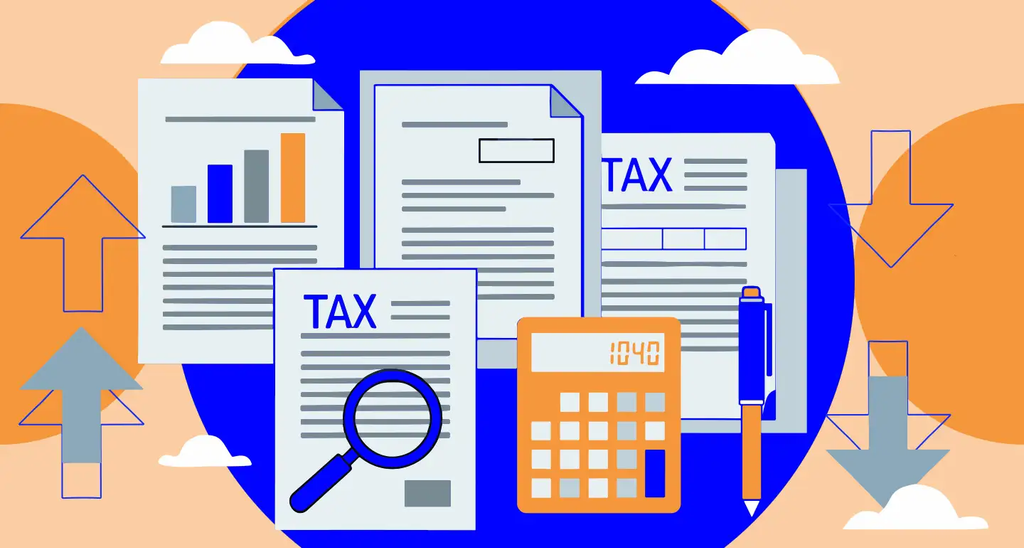
The 2026 tax update places significant emphasis on simplification, modernisation and fairness.
The government has announced measures covering areas such as online marketplace compliance, tax debt collection and the timing of Income Tax Self Assessment payments. Some of these measures are still subject to consultation, meaning their final details may change.
This is particularly relevant to self-employed people and small businesses, which may need to pay closer attention to reporting requirements and payment schedules.
Businesses Face a Changing UK Tax Environment
Businesses are also being affected by reforms designed to modernise the tax system. HMRC’s 2026 tax programme includes proposals intended to reduce administrative burdens while improving compliance.
The government has also published draft legislation for the Finance Bill 2026–27. However, the final content of future legislation can change before Parliament completes the legislative process.
For companies and business owners, keeping financial records up to date and monitoring official HMRC announcements is therefore increasingly important.
What Do the 2026 UK Tax Changes Mean for You?
For many taxpayers, the biggest issue is not a dramatic change in the headline Income Tax rates. Instead, frozen allowances and thresholds can gradually increase the amount of income exposed to tax as wages and prices change.
Employees should review their tax codes and Personal Allowance, while self-employed workers and investors should keep accurate records of income, expenses and taxable gains.
HMRC provides an online service where individuals can check their tax code, Personal Allowance and estimated Income Tax for the current year.
Final Thoughts
The UK tax changes in 2026 are a mixture of unchanged rates, frozen thresholds and wider reforms to the way the tax system operates. For individuals, understanding Personal Allowance, Income Tax bands, National Insurance and investment income remains essential.
For businesses and self-employed workers, the focus should also be on compliance and upcoming changes to tax administration.
As the government continues to consult on new measures, taxpayers should rely on the latest HMRC guidance before making important financial decisions. The 2026 tax year is therefore less about one single major tax increase and more about a gradually changing tax landscape.
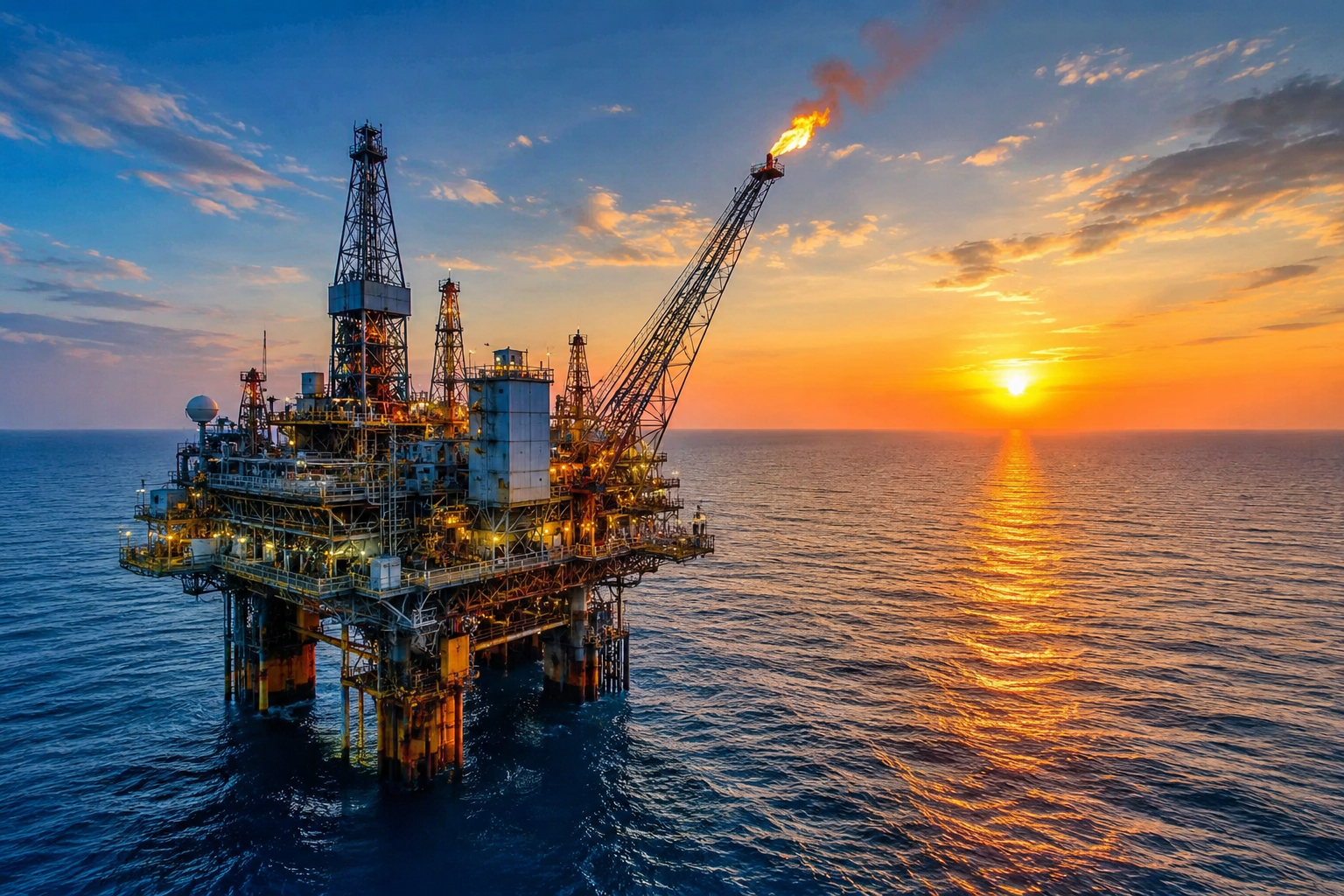
The North Sea oil and gas industry has played an important role in the United Kingdom’s economy and energy system for decades. From offshore platforms to engineering companies, ports and supply chains, the sector has supported thousands of jobs and contributed to the country’s energy security. However, in 2026, the North Sea is entering a new chapter as the UK balances energy security, existing oil and gas production and the transition towards cleaner energy.
The North Sea is no longer viewed only as an oil and gas region. It is increasingly becoming a major part of the UK’s wider offshore energy future, including offshore wind, carbon capture and storage and other emerging technologies.
Why Is the North Sea Oil Important to the UK?
Oil and gas have historically supplied a significant part of the UK’s energy needs. The industry has also created employment and economic activity in Scotland and other parts of the UK.
Aberdeen, often described as a major centre of the UK’s offshore energy industry, has developed a large network of engineers, technicians, service companies and energy professionals. The skills developed through oil and gas can also be valuable in emerging clean-energy industries.
Industry representatives continue to argue that domestic production can contribute to energy security and support jobs. Offshore Energies UK estimates that the oil and gas sector supports around 115,000 jobs across the UK.
The North Sea Oil and Gas Industry Is Changing
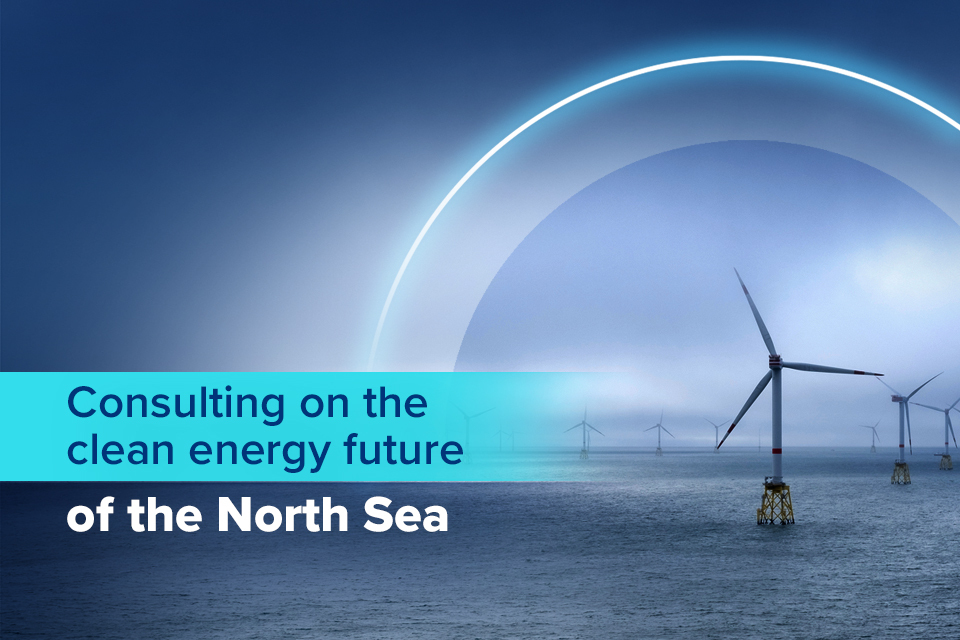
One of the biggest changes facing the industry is the natural decline in North Sea production. UK government information states that North Sea oil and gas production declined by around 75% between 1999 and 2024.
At the same time, the UK government has adopted a policy focused on managing existing oil and gas fields while developing clean-energy industries. Its North Sea Future Plan aims to support existing fields through their lifespan while moving the region towards a broader offshore clean-energy economy.
This means the future of the North Sea is not simply about stopping one industry and starting another. Instead, the region is going through a gradual energy transition.
What Is Happening to North Sea Oil Jobs?
Employment is an important part of the debate surrounding the future of the industry. Many workers have highly specialised offshore skills, including engineering, project management, maintenance, safety and technical operations.
The UK and Scottish governments are therefore investing in programmes designed to help oil and gas workers move into growing industries. In June 2026, the government announced an additional £6 million investment to expand support for more than 1,000 oil and gas workers in Scotland. The programme is designed to help workers access opportunities in areas such as clean energy and advanced manufacturing.
This approach could allow experienced North Sea workers to transfer their knowledge into new areas rather than leaving the energy sector completely.
North Sea Oil Offshore Wind and the New Energy Economy
Offshore wind is one of the most important parts of the UK’s North Sea energy strategy. The same waters and many of the same engineering capabilities used by the oil and gas industry can also support offshore renewable projects.
The UK government has highlighted major offshore wind opportunities in the North Sea. In January 2026, it noted that projects such as Berwick Bank and Pentland floating offshore wind could support thousands of jobs in Scotland.
This creates an opportunity for the North Sea to remain an important energy region even as the role of fossil fuels gradually changes.
Carbon Capture and Other Technologies
Another part of the North Sea’s future is carbon capture and storage, commonly known as CCS. The region has geological characteristics and existing offshore infrastructure that can potentially support carbon-storage projects.
Decommissioning is also becoming increasingly important. As older oil and gas fields reach the end of their productive lives, companies need specialists to safely remove or manage offshore infrastructure.
Recent UK projects demonstrate that decommissioning is already becoming an active part of the North Sea energy economy.
What Does the Future Hold?
The future of North Sea oil and gas in the UK is likely to be more diverse than in the past. Oil and gas will continue to have a role during the transition, while investment increasingly moves towards offshore wind, carbon capture, decommissioning and other clean-energy technologies.
The government established the North Sea Future Board in 2026 to bring together government, industry, trade unions and regional organisations. Its purpose includes supporting investment, jobs and the wider energy transition across the North Sea.
For workers and businesses, this transition creates both challenges and opportunities. Traditional oil and gas expertise remains valuable, but workers may increasingly need additional skills for renewable energy and other technologies.
Conclusion
The North Sea oil and gas industry in the UK is changing, but its story is far from over. Existing oil and gas production, energy security, decommissioning and new clean-energy industries are becoming connected parts of the region’s future.
The biggest opportunity may be to use the North Sea’s existing workforce, infrastructure and technical expertise to build a broader offshore energy industry.
If the transition is managed effectively, the North Sea could remain an important source of jobs, investment and energy for the UK—while gradually becoming a cleaner and more diverse energy hub.
FAQ
Will the UK open up North Sea Oil?
The UK government plans to continue managing existing North Sea oil and gas fields throughout their lifespan, but it does not plan to issue new licences for exploring new fields.
What is the projected future of the oil and gas industry in 2026?
Oil and gas will continue to play a role in the UK energy mix, while the industry gradually shifts towards offshore wind, carbon capture, hydrogen and decommissioning.
What is the future of gas in the UK?
Gas is expected to remain part of the UK’s energy system during the transition, while gas consumption and dependence on fossil fuels are expected to decline as clean energy expands.
What is the future of the oil and gas industry?
The industry is likely to become smaller over time in the North Sea, but its workers, skills and infrastructure can support growing sectors such as offshore wind, carbon capture and hydrogen.

UK wildfires crisis in 2026 has become one of the country’s biggest environmental and emergency stories.
A combination of record heat, prolonged drought and extremely dry vegetation has created conditions in which fires can start more easily and spread rapidly.
The situation became serious enough for the UK Government to issue an emergency alert to people across England and Wales on August 14, warning of a very high national wildfire risk.
The alert advised people not to use disposable barbecues, firepits, garden incinerators or fireworks because even a small flame could quickly develop into a major wildfire.
Why are UK wildfires increasing?
The biggest factor behind the current wildfire risk is the combination of heat and drought.
After weeks of unusually dry weather, vegetation across many parts of the country has lost moisture. Grass, heathland, woodland and peat can become highly flammable when they remain dry for long periods.
The UK Health Security Agency explains that drought can dry vegetation and provide additional fuel for fires. Climate projections also indicate that conditions suitable for larger and more severe wildfires could become more common.
This year’s conditions have been particularly unusual because the country has experienced repeated periods of extreme heat alongside exceptionally low rainfall.
How serious is the wildfire situation?
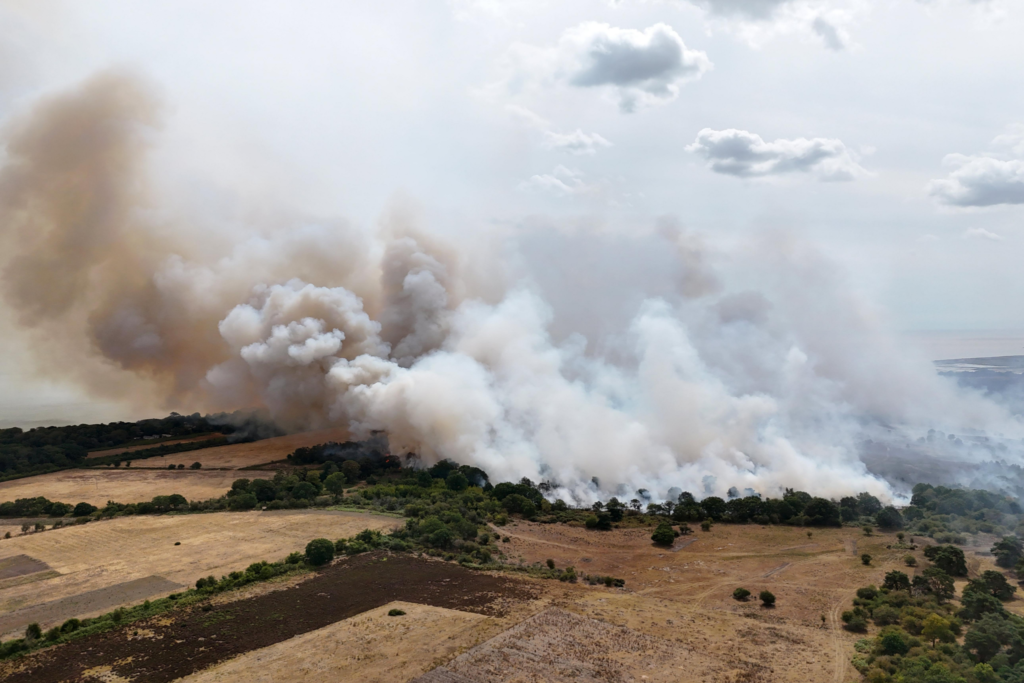
The number of wildfires has reached record levels.
Fire services had responded to hundreds of wildfires across England and Wales by August, with a particularly intense period during the first part of August.
Reports indicated that the previous annual record of 1,017 wildfires had already been exceeded.
The scale of the emergency has put considerable pressure on fire and rescue services.
The National Fire Chiefs Council said firefighters were dealing with a sustained and escalating wildfire risk, with multiple major incidents occurring during the latest period of extreme heat.
Which areas are most affected?
Wildfire incidents have occurred in different parts of England and Wales, rather than being limited to one region.
South Wales has been particularly affected. A major wildfire near Blaenavon has burned for weeks across dry upland and peat areas. Firefighters and military personnel have been working together to contain the blaze, using firebreaks, drones, helicopters and temporary water systems.
Parts of the West Midlands have also experienced serious fires.
In Stourbridge, a major grass fire affected several properties, with firefighters working to protect homes while dealing with smoke and intense heat.
Other fires have been reported across England, including woodland, grassland and heathland areas.
Why was an emergency alert sent?

The government’s decision to use the UK’s Emergency Alerts system shows how seriously authorities are treating the current conditions.
On August 14, phones across England and Wales received a warning about the very high wildfire risk.
The message asked residents, landowners and visitors to avoid activities that could cause fires and to report signs of fire immediately by calling 999.
The alert came as emergency services were already dealing with numerous incidents.
The government has also introduced additional measures, including funding and military support for areas under particular pressure.
Can a small fire really become a major wildfire?
Yes.
Dry grass and vegetation can ignite quickly, particularly when temperatures are high and winds are present. A fire that begins in a small area can spread across fields or woodland surprisingly quickly.
This is why authorities have warned against seemingly ordinary outdoor activities such as using disposable barbecues or lighting fires in the countryside.
The government’s emergency alert specifically warned that even a small flame could rapidly develop into a major wildfire capable of threatening homes, businesses, lives and emergency responders.
What should people do if they see a wildfire?
The most important advice is simple: do not attempt to tackle a large wildfire yourself.
Move away from the affected area and follow instructions from emergency services. If you see a fire or smoke in the open countryside, report it immediately by calling 999.
People visiting parks, forests, moorlands and other outdoor areas should also follow local fire restrictions.
With vegetation unusually dry, discarded cigarettes, campfires, barbecues and other sources of ignition can create significant risks.
Will the wildfire risk continue?
The risk could remain high while drought conditions continue.
Rain would help reduce the immediate danger, but a short period of showers may not be enough to restore moisture levels after such an extended dry spell.
The UK has also experienced an unusually hot summer, making the current wildfire season part of a much wider story involving extreme heat and water shortages.
The European Commission’s Joint Research Centre has reported that drought and record heat are contributing to exceptional wildfire conditions across Europe, with warmer and drier conditions expected to remain a concern into September.
Final Thoughts
The UK wildfires of 2026 highlight how quickly extreme weather can turn into an emergency.
Record heat, prolonged drought and dry vegetation have created conditions in which fires can spread rapidly, putting pressure on firefighters and threatening homes and natural landscapes.
The emergency alert issued across England and Wales on August 14 was an unusually strong warning to the public.
For now, avoiding activities that could start fires remains one of the simplest ways people can help reduce the pressure on emergency services.
As the summer continues, the combination of rainfall, temperature and drought conditions will determine whether the UK’s wildfire risk begins to ease or remains a major concern.
-
 UK News1 month ago
UK Wildfires 2026: Why Are Fires Spreading and Which Areas Are at Risk?
-

 Crypto2 months ago
Crypto Trading May Be Algorithmic in the Future, but Not Completely Autonomous
-

 Fashion3 months ago
Here are the Top 8 Luxury Clothing Brands in the UK for 2026?
-

 Technology & AI4 months ago
Depomin82: Rethinking Digital Infrastructure for a Smarter Connected Future
-

 Fashion4 months ago
How to Build a Capsule Wardrobe on a UK Budget?
-

 Business4 months ago
The Hidden Expenses in eCommerce Accounting: The Reasons Most UK Online Retailers Calculate Profit incorrectly
-

 Celebrity3 months ago
Liam Costner: Life, Career, and Family Beyond Hollywood
-

 Celebrity3 months ago
Tom Hardy Net Worth in 2026: Salary, Earnings & Career Highlights