
Sports
Asia’s Golf Complex You May Not Be Aware of: Mission Hills Haikou

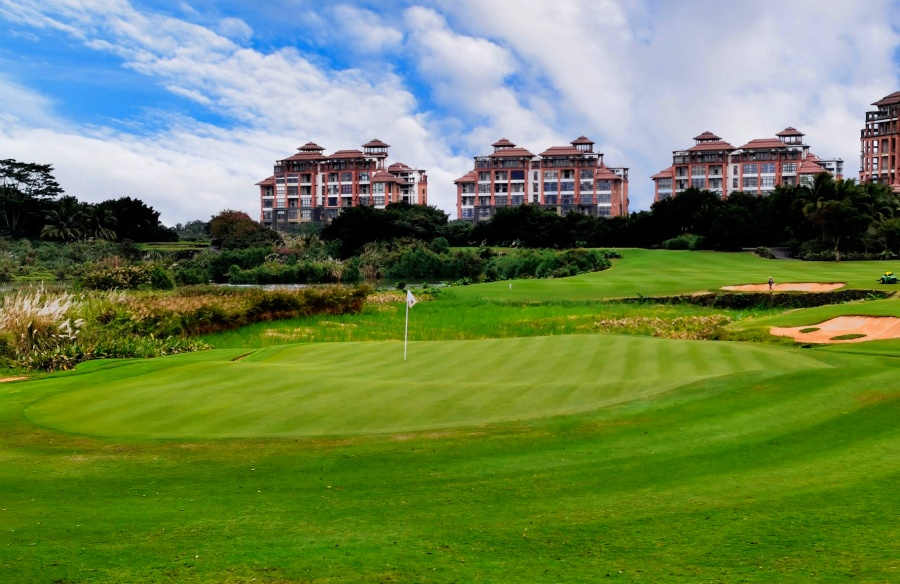
The biggest public golf resort in Asia is Mission Hills haiku. They claim the Guinness World Record for their size with ten golf courses, a significant golf academy, and more than 500 hotel rooms.
One walk able complex contains all of the distinctly diverse golf courses. Each is wound through lush jungle and volcanic rock, creating distinctive environments for top-notch golf. There is a course for every type of golfer, ranging from links and sand belt to parkland and quarry.
There are other things to look forward to besides golf. This complex is known as China’s Hawaii because of its volcanic mineral hot springs and tournament-sized clubhouses. Bring your golf equipment and shorts and let’s get started.
The Course Collection: 10 Designs, 10 Personalities
Ten Schmidt-Curley courses, each with a unique design philosophy and routing method, are combined in Mission Hills haiku. Every layout is roomy and walking. It is necessary to wear standard golf shoes with spike less soles or mild spikes.
1. Blackstone Course (The Crown Jewel)
The resort’s focal point is Blackstone, a 350-acre championship layout that spans 7,800 yards. It incorporates wetlands, woodland corridors, old lychee trees, and preserved lava beds right into the game.
Traditional rough does not exist. Each hole is framed by turf-to-rock transitions and jagged bunking, with the fairway bleeding right into local lava. walk ability and drainage are enhanced by natural undulating contour rather than artificial mounding. Along the way, you’ll see relic stonework in addition to lava barriers.
2. Lava Fields Course
Although Lava Fields’ architecture is similar to Blackstone’s, it exposes you to the prevailing wind and opens the hallways. Repeated forced carries over obvious black lava shelves make it a professional-caliber test at 7,400 yards.
Because there is little tree cover, the vista is dominated by rock formations, which provide continuous visual pressure. Although angles into the greens need dedication over texture and contrast, fairways appear large. The Lava Fields course creates persistent strategic strain with its striking land forms and wind-influenced shots.
3. Sandbelt Trails Course
Sandbelt Trails is a canal for Kingston Heath, Metropolitan, and Royal Melbourne in Australia. Precise carry numbers and a confident recovery technique are necessary for large hazards with thick lips and high sand flashes.
The Australian flavor is reinforced by corridors lined with eucalyptus, and the turf lines organically blend into the surrounding bush. You can approach from a variety of angles with a good amount of width off the tee.
4. Vintage Course
The Vintage course is designed with charm, eccentricities, and purposeful aggressiveness, reflecting early 1900s architecture. You’ll notice geometric mounding, wicker basket pins, squared bunker edges, false fronts, and deliberate blind shots.
The strategic template and green complexes are influenced by Fishers Island, Maidstone, and National Golf Links. Across 250 acres, the routing remains compact and forested, with holes naturally flowing via narrow passageways. It’s a departure from contemporary homogeneity for players who are drawn to C.B. Macdonald-style strategy and template-driven thinking.
5. Meadow Links Course
Meadow Links emphasizes positional discipline and is based on traditional U.S. Open locations in the eastern United States. Preferred landing zones are guarded by “Church Pew” bunkers and grass-faced hazards, which also penalize lateral misses.
Although native grass patches reduce recovery angles, the vast meadow corridors play firm and wide. The big greens appear open, but there are tiny internal slopes and features that distinguish putters who are confident from those who are hesitant.
6. Stone Quarry Course
Stone Quarry’s tough shaping and relentless shot-shaping demands are reminiscent of Pete Dye. The walls of the volcanic quarry are surrounded by tiny, precise greens as the elevation suddenly changes.
Coal cars, tracks, and timber supports are examples of historic mining remnants that ground the scene in industrial history. Golfers with great trajectory control and accurate distance management, as opposed to those with raw power, are rewarded since it is shorter and more athletic. The imaginative play here will appeal to those who like strategic angles and visual suspense.
7. Shadow Dunes Course
In a backdrop of undulating dunes, Shadow Dunes leans toward links-style ideas. Placement and trajectory control are prioritized over length by towering sand hills and a par-70 route.
Expansive targets are produced by the largest greens, but they also present challenging long-range putts across numerous layered contours. The course is very accessible and effective to play with its firm terrain and open sightlines. When you want strategic golf without championship length, it’s an excellent option for early starters or late rounds.
8. Preserve Course
With palms, flowering bushes, and vibrant colors surrounding every hallway, Preserve focuses more on the esthetics of a tropical resort. Its modern form is defined by elevation-fed greens and sculpted bunking, which have cleaner lines than the volcanic courses.
It makes sense to reset between Blackstone or Lava Fields rounds because the fairways are more forgiving. Mid-handicappers don’t have to worry about making thoughtful choices; they can swing freely. It’s also possibly the most visually appealing arrangement on the land.
9. Stepping Stone Course (Par‑3)
Stepping Stone is a little pitch-and-putt that winds through areas of sand and lava rock. Under striking sightlines, turf “islands” within black stone sharpen trajectory and distance management. In a shortened, short-game format, it reflects the volcanic identity of the main dishes.
10. Double Pin Course (Par‑3, 18 holes)
On each green, Double Pin employs a two-flag system: a demanding flag and an accessible flag. By selecting a pin, you can adjust the level of difficulty. The 18-hole design is fast-paced and ideal for warm-up loops, families, couple’s rounds, and practice.
Facilities that Elevate the Experience
Mission Hills haiku offers more than just a great time on the course. They support it with infrastructure designed for enjoyment, recuperation, and performance. In addition to the classes, you’ll discover:
Mission Hills Golf Academy: Training facilities for the Chinese national team, biomechanics analysis, and TrackMan launch monitors.
Pro Shop and Clubhouses: Several themed clubhouses filled with high-end international brands and local golf equipment.
Wellness and Hot Springs: A spa complex with approximately 160 pools of volcanic mineral hot springs for recuperation after a long day.
Dining and entertainment options include the Lava Lounge, Hainan and international food, a shopping district, movie studios, and sports facilities for friends who don’t play golf.
Golf Travel Logistics & Insider Tips
The best time of year is October to April, when the dry weather and steady coastal breeze are ideal for firm turf.
Booking Strategy: Make reservations for multi-course packages, twilight promotions, and stay-and-play options via the resort website or linked tour companies.
Clubs & Caddies: Standard caddy service with competency in both Mandarin and English is offered, along with premium rental sets.
On-Site Transportation: A shuttle service links every course on the expansive site.
Visa Policy: Many nations are allowed to enter Hainan for 15 days without a visa. Before making any reservations, see if you can get one.
Off-Course Downtime: Take in the city’s nite markets, neighboring beaches, and haiku Volcanic Geopark.
Why Mission Hills haiku Deserves a Place on Your Golf Map
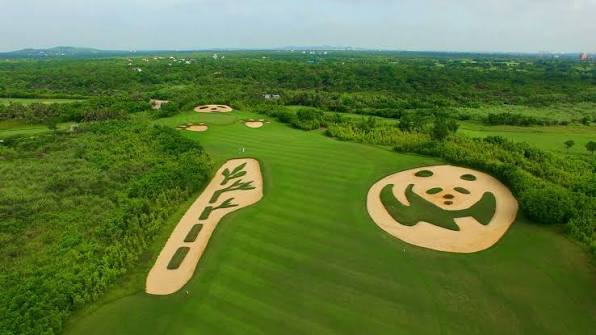
Mission Hills haiku is more than just a Chinese resort; it is a comprehensive golf ecosystem. It is positioned alongside places like Pebble Beach and St. Andrews thanks to its ten architecturally unique courses, championship history, and tropical volcanic surroundings.
However, there is a practical distinction between those courses and this complex. Many golf tourists find that traveling to Asia is significantly less expensive, and with 120 amazing courses at their disposal, there’s little reason to go anyplace else.
Plan a multi-round stay and get a firsthand look of haiku’s unique volcanic greens if you appreciate architecture, walkability, and strategic depth.
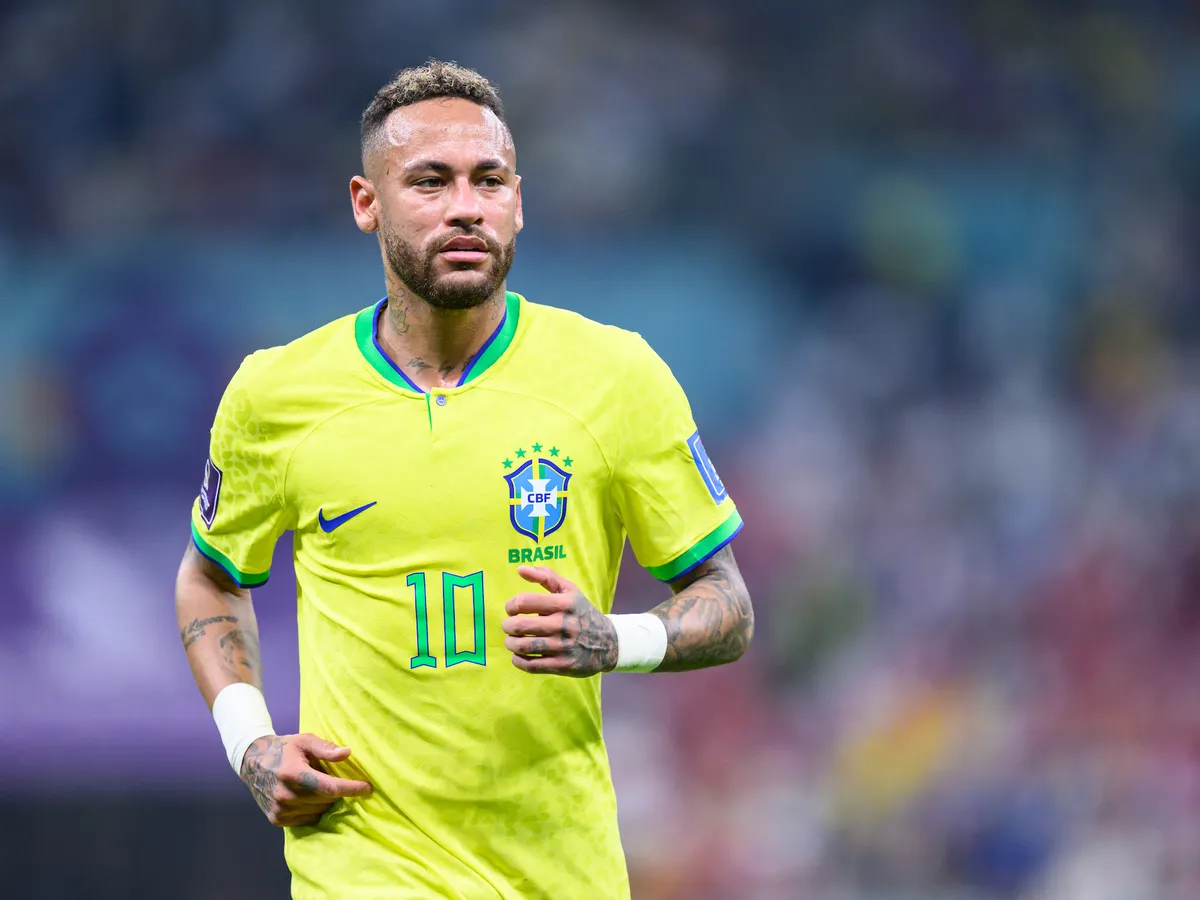
Neymar Jr. is one of the most recognisable footballers of his generation. From his spectacular rise at Santos to his record-breaking transfer to Paris Saint-Germain and his return to Brazilian football, Neymar has built both an extraordinary sporting career and a substantial personal fortune.
The Brazilian forward has earned hundreds of millions through football, sponsorships and commercial partnerships. His lifestyle, relationships, family and future in football also continue to attract worldwide attention.
So, what is Neymar’s net worth in 2026? How much does he earn, who is his partner, and what has happened to his career? Here is everything you need to know.
Neymar Quick Facts
| Detail | Information |
| Full name | Neymar da Silva Santos Júnior |
| Date of birth | February 5, 1992 |
| Age | 34 |
| Birthplace | Mogi das Cruzes, São Paulo, Brazil |
| Nationality | Brazilian |
| Profession | Professional footballer |
| Position | Forward |
| Current club | Santos FC |
| Children | Two |
| National team | Brazil |
| Net worth | Estimated; exact figure not publicly confirmed |
What Is Neymar’s Net Worth in 2026?
Forbes has previously ranked Neymar among the world’s highest-paid footballers, with his earnings driven by both his club salary and major endorsement agreements. His long-term partnerships have included brands such as Puma and Red Bull.
After years playing for some of the biggest clubs in Europe and Saudi Arabia, Neymar has accumulated significant wealth.
Rather than relying on one reported figure as an exact number, it is more accurate to describe his 2026 net worth as an estimated multi-hundred-million-dollar fortune.
How Much Does Neymar Earn?
Neymar’s earnings have changed significantly throughout his career.
His highest salaries came during his time at Paris Saint-Germain and ail-hilal.
When he moved to ail-hilal in 2023, his contract was reported to be worth an enormous amount, placing him among the highest-paid footballers in the world.
However, injuries limited his time on the pitch in Saudi Arabia.
Neymar later returned to Santos, the Brazilian club where his professional career began.
His current earnings are therefore very different from the enormous compensation package he received in Saudi Arabia.
Neymar’s Football Career
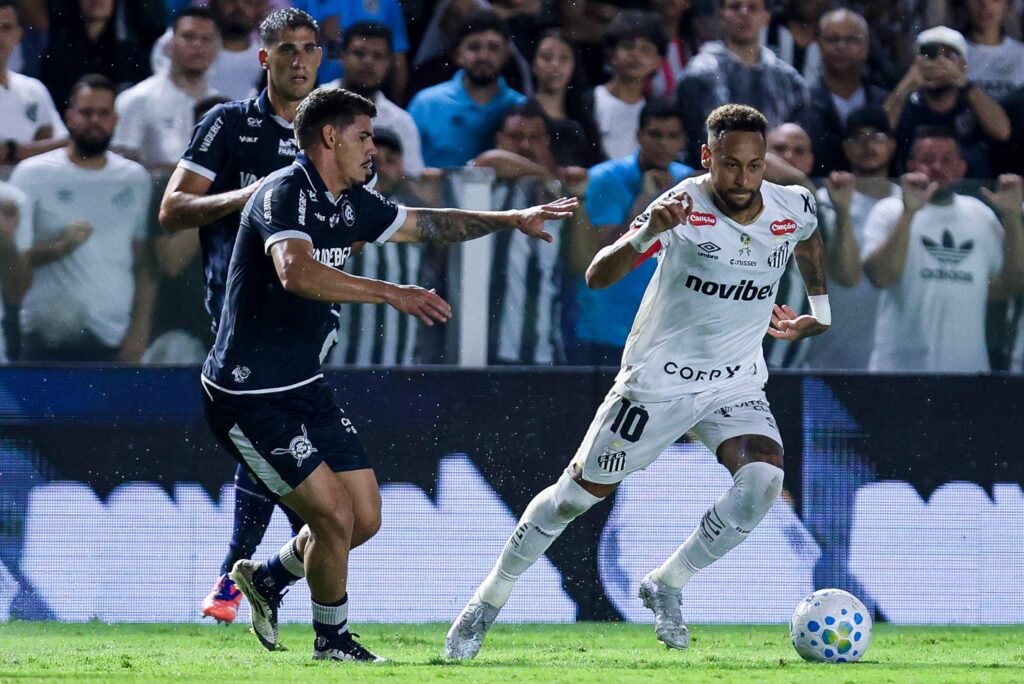
Neymar began his professional career at Santos FC in Brazil.
His performances quickly attracted international attention. He became one of the most exciting young attackers in South American football and helped Santos win major domestic and continental honours.
In 2013, Neymar moved to Barcelona.
There he formed one of the most famous attacking partnerships in football history alongside Lionel Messi and Luis Suárez.
The trio became known as MSN and helped Barcelona win major trophies, including the Champions League during the 2014-15 season.
Neymar left Barcelona for Paris Saint-Germain in 2017 in a world-record transfer worth €222 million.
That transfer remains one of the defining moments of modern football economics.
Neymar at Paris Saint-Germain
Neymar spent six seasons at Paris Saint-Germain.
He scored goals at an impressive rate and helped PSG win multiple domestic trophies.
Although injuries repeatedly interrupted his time in France, he remained one of the club’s most important and commercially valuable players.
His PSG years also dramatically increased his global profile and earning power.
The club’s enormous investment in Neymar demonstrated just how valuable the Brazilian star was considered at his peak.
Neymar’s Move to ail-hilal
In August 2023, Neymar moved from PSG to Saudi Arabian club ail-hilal.
The transfer was part of the Saudi Pro League’s major investment in globally recognised football stars.
However, Neymar’s time in Saudi Arabia was severely affected by injuries.
He made relatively few appearances compared with expectations and eventually left the club.
His Saudi experience was therefore very different from the enormous success he enjoyed at Barcelona and Santos.
Neymar Returns to Santos
In 2025, Neymar returned to Santos, completing a highly emotional homecoming.
The club where he first became famous had always held a special place in his career.
Returning to Santos also gave Neymar the opportunity to play in Brazil again and reconnect with the supporters who watched his breakthrough as a teenager.
His return generated huge attention across Brazilian football.
For Santos, having one of Brazil’s most famous modern footballers back at the club was also a major commercial opportunity.
Neymar and the Brazil National Team
Neymar has been one of Brazil’s most important players for more than a decade.
He made his senior international debut in 2010 and quickly became a central figure in the national team.
He represented Brazil at multiple World Cups and Copa América tournaments.
Neymar eventually surpassed Pelé as Brazil’s all-time leading men’s goalscorer, becoming one of the most statistically successful players in the country’s football history.
Despite his individual success, the World Cup trophy remained one of the major honours missing from his collection.
Neymar’s Playing Style
At his peak, Neymar was famous for his extraordinary technical ability.
His strengths include:
- Dribbling
- Close control
- Creativity
- Acceleration
- Finishing
- Passing
- Set-piece ability
- One-on-one skills
His style combines Brazilian flair with elite-level tactical intelligence.
This combination made him one of the most entertaining players of his generation.
Who Is Neymar’s Partner?

Neymar’s personal life has frequently attracted media attention.
He has been linked with several high-profile relationships over the years.
His relationship with Brazilian influencer and model Bruna Biancardi has been particularly prominent in recent years. The couple have a daughter together.
Because Neymar’s relationship status has changed over time, current reports should always be checked before treating a particular relationship as permanent.
How Many Children Does Neymar Have?
Neymar has two children.
His first child, Davi Lucca, was born in 2011.
He later welcomed a daughter, Mavie, with Bruna Biancardi in 2023.
Neymar frequently shares family moments with his children through social media.
Neymar’s Endorsements
Football has never been Neymar’s only source of income.
He has developed major commercial relationships with global companies throughout his career.
One of his most important long-term partnerships has been with Puma, which signed Neymar after his previous relationship with Nike ended.
Neymar’s worldwide popularity makes him particularly valuable to fashion, sportswear and lifestyle brands.
His commercial appeal has also helped him build a strong social media presence.
Neymar’s Lifestyle
His wealth has allowed him to invest in expensive properties, cars, fashion and travel.
However, football remains at the centre of his public identity.
Even when injuries have limited his playing time, Neymar continues to attract enormous global attention.
Neymar vs Messi vs Ronaldo
Neymar belongs to the same generation as Lionel Messi and Cristiano Ronaldo.
While Messi and Ronaldo dominated the Ballon d’Or for much of their careers, Neymar established himself as one of the world’s elite attackers.
The Brazilian played alongside Messi at Barcelona and later competed against both Messi and Ronaldo during his years in European football.
Commercially, all three players have built enormous global brands.
Messi and Ronaldo have ultimately accumulated greater career achievements and wealth, but Neymar remains one of the most commercially successful Brazilian footballers of the modern era.
Neymar’s Future
At 34, Neymar is entering the final stages of his playing career.
His biggest challenge has been staying healthy.
Injuries have significantly affected the second half of his career, preventing him from consistently maintaining the extraordinary level he showed at Barcelona and PSG.
A successful period at Santos could provide a fitting final chapter.
Neymar Net Worth 2026: Final Thoughts
Neymar’s career has taken him from a talented teenager at Santos to one of the world’s most expensive and commercially successful footballers.
His record-breaking move to Paris Saint-Germain, enormous Saudi Arabian contract and major endorsement deals helped him build a substantial fortune.
His return to Santos has added another fascinating chapter to his story.
Whether he continues playing for several more years or eventually moves into retirement and business, Neymar’s influence on Brazilian football and global football culture is likely to remain significant.
Frequently Asked Questions
What is Neymar’s net worth in 2026?
Public estimates vary, but his career earnings and endorsements have made him one of the wealthiest footballers of his generation.
How old is Neymar?
Neymar was born on February 5, 1992, making him 34 years old in 2026.
Which club does Neymar play for?
Neymar currently plays for Santos FC, the Brazilian club where he began his professional career.
What was Neymar’s biggest transfer?
Neymar’s move from Barcelona to Paris Saint-Germain in 2017 involved a reported €222 million release clause, making it the world’s most expensive football transfer at the time.
How many children does Neymar have?
Neymar has two children: his son Davi Lucca and his daughter Mavie.
Who is Neymar’s partner?
Neymar has had a high-profile relationship with Brazilian influencer Bruna Biancardi, with whom he has a daughter. His relationship status should be checked against the latest reports because it has changed over time.
Why did Neymar leave ail-hilal?
Neymar’s time at ail-hilal was heavily affected by injuries, limiting his appearances. He subsequently returned to Santos.
Is Neymar still playing for Brazil?
Neymar remains eligible for Brazil, although his participation in future international competitions depends on his fitness, form and selection.
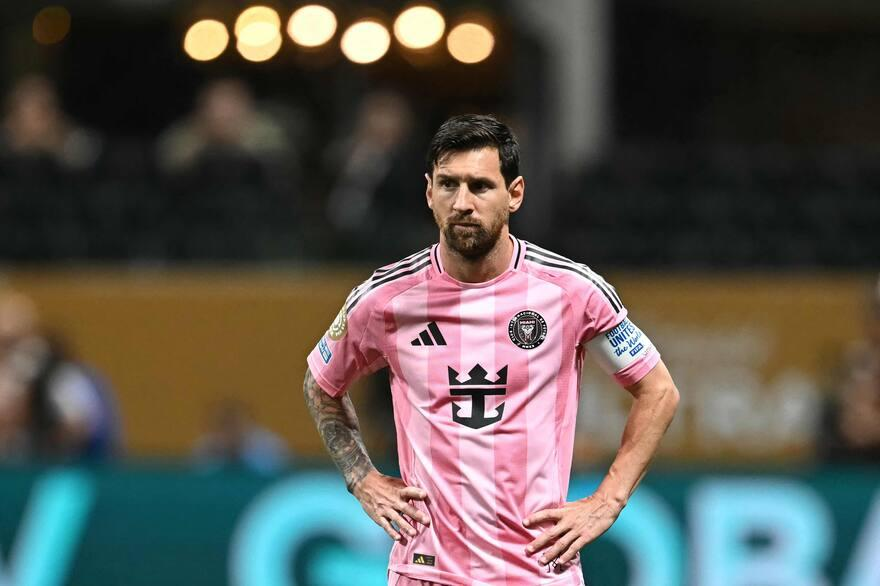
Lionel Messi is widely regarded as one of the greatest footballers of all time, and his success has made him one of the wealthiest athletes in the world. From his legendary Barcelona career to his move to Inter Miami, Messi has built a fortune through football, endorsements, business ventures and investments.
In 2026, Messi’s financial story reached another major milestone. Forbes estimates his current net worth at approximately $1.1 billion, making him one of only a handful of active athletes to reach billionaire status.
But how much does Lionel Messi earn, who is his wife, how many children does he have, and what businesses contribute to his wealth? Here’s everything you need to know.
Lionel Messi Quick Facts
| Detail | Information |
| Full name | Lionel Andrés Messi Cuccittini |
| Date of birth | June 24, 1987 |
| Age | 39 |
| Birthplace | Rosario, Argentina |
| Nationality | Argentine |
| Profession | Professional footballer |
| Position | Forward |
| Current club | Inter Miami CF |
| Wife | Antonela Roccuzzo |
| Children | Three sons |
| Net worth | Estimated $1.1 billion |
What Is Lionel Messi’s Net Worth in 2026?
According to Forbes, Lionel Messi has an estimated net worth of $1.1 billion in 2026. Forbes’ estimate makes him one of only four active athletes to have reached the billionaire milestone while still competing professionally.
His fortune has been built over more than two decades at the highest level of football.
Messi’s wealth comes from several major sources, including:
- Football salary and bonuses
- Endorsement deals
- Adidas partnership
- Business investments
- Real estate
- Hotel investments
- Licensing and image rights
- Potential equity in Inter Miami
Forbes estimates that Messi has earned around $1.8 billion before taxes and agents’ fees throughout his career.
How Much Does Lionel Messi Earn?
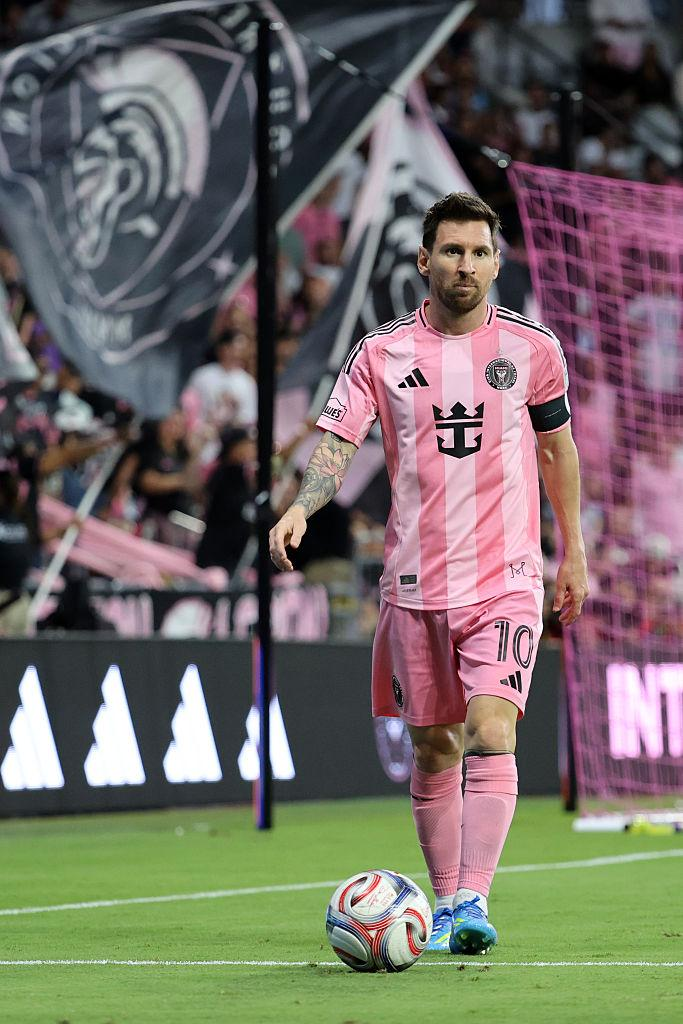
Messi’s move to Major League Soccer did not mean the end of his enormous earning power.
His Inter Miami compensation is supplemented by commercial agreements and business interests. Reports have placed his guaranteed annual MLS compensation at roughly the high-$20 million range, while his broader financial package can be considerably larger once endorsements and other commercial arrangements are included.
Forbes estimated Messi’s total earnings at approximately $130 million in its 2025 ranking of the world’s highest-paid soccer players.
The exact amount he receives each year can change because football contracts, bonuses, endorsements and business income are structured differently.
Lionel Messi’s Inter Miami Contract
Messi joined Inter Miami in 2023 after leaving Paris Saint-Germain.
His arrival transformed the MLS club’s global profile and commercial performance.
Inter Miami announced that Messi signed a contract extension running through the 2028 MLS season. The agreement keeps him with the club beyond his original deal and gives Miami the opportunity to continue building its future around its captain.
Forbes estimates that Inter Miami’s value has reached approximately $1.35 billion, with the club’s annual revenue rising dramatically since Messi’s arrival.
Messi’s agreement also includes an option connected to an equity stake in Inter Miami after his playing career, according to Forbes.
Lionel Messi’s Football Career
Messi began his football journey in Rosario, Argentina, before moving to Spain as a teenager to join Barcelona’s youth system.
He made his Barcelona first-team debut in 2004 at just 17 years old.
The following 17 years became one of the most successful periods in football history.
At Barcelona, Messi won numerous domestic and international trophies, including multiple La Liga titles and four Champions League trophies. He also became the club’s all-time leading goalscorer.
After leaving Barcelona in 2021, Messi spent two seasons at Paris Saint-Germain before moving to Inter Miami in 2023.
His international career reached its greatest moment in 2022 when Argentina won the FIFA World Cup in Qatar.
Messi was also part of Argentina’s 2026 World Cup squad, making the tournament his sixth World Cup appearance. Biography.com reports that he became only the second male player to compete at six World Cups, alongside Cristiano Ronaldo.
Lionel Messi’s Major Achievements
Messi’s trophy cabinet includes some of the biggest hon ours available in football.
His achievements include:
- Eight Ballon d’Or awards
- FIFA World Cup winner
- Copa América winner
- Multiple La Liga titles
- Four UEFA Champions League titles
- Multiple Spanish league and cup trophies
- Multiple MLS achievements with Inter Miami
- Argentina’s all-time leading goalscorer
- Barcelona’s all-time leading goalscorer
His combination of individual awards, club trophies and international success has cemented his place among football’s all-time greats.
Who Is Lionel Messi’s Wife?

Lionel Messi is married to Antonela Roccuzzo.
The couple have known each other since childhood in Argentina and married in 2017 in Rosario.
Antonela has built her own public profile through fashion, fitness and business-related projects. She is also frequently seen supporting Messi and their family.
Together, Messi and Roccuzzo are one of the most recognizable couples in international sport.
How Many Children Does Lionel Messi Have?
Lionel Messi and Antonela Roccuzzo have three sons:
- Thiago Messi
- Mateo Messi
- Ciro Messi
The family has largely maintained a private lifestyle despite Messi’s extraordinary global fame.
The Messi family moved to the United States after his transfer to Inter Miami, making Miami their main base during the football season.
Lionel Messi’s Endorsements
Football is only one part of Messi’s income.
He has developed long-term relationships with major international brands, most notably Adidas.
Forbes notes that Messi has a lifetime endorsement deal with Adidas, one of the most important commercial partnerships of his career.
His worldwide popularity makes him extremely valuable to advertisers.
Even outside football, Messi’s name is associated with fashion, sportswear, technology, travel and lifestyle brands.
Lionel Messi’s Business Interests
Messi has also built a business portfolio beyond endorsements.
His interests have included hotels, real estate, fashion and other commercial ventures.
His family has been involved with the MIM Hotels brand, while Messi has also developed products and businesses using his name and personal brand.
Real estate is another important part of his wealth.
The long-term value of these investments helps explain why his net worth is no longer dependent solely on his football salary.
Messi and Inter Miami’s Business Growth
One of the most interesting aspects of Messi’s current career is the effect he has had on Inter Miami.
Forbes estimates that Inter Miami’s revenue increased dramatically following Messi’s arrival, reaching around $200 million for the 2024-25 season. The club’s estimated value reached approximately $1.35 billion in 2026.
This shows how much commercial value Messi brings to a football club.
Ticket demand, merchandise, sponsorship and international attention have all helped turn Inter Miami into one of the most recognizable clubs in North American football.
Is Lionel Messi Retiring?
Messi has not announced a specific retirement date.
However, at 39, questions about the final stage of his career have naturally become more common.
Recent reports said Messi has expressed uncertainty about how much longer he will continue playing. He remains under contract with Inter Miami through 2028, however.
If and when he eventually retires, his business interests and commercial partnerships could allow him to remain one of the world’s most influential sports personalities.
Lionel Messi Net Worth vs Cristiano Ronaldo
Messi and Cristiano Ronaldo have dominated football for more than a decade, and both have now reached billionaire status according to Forbes estimates.
Forbes currently estimates Messi’s net worth at $1.1 billion, while Ronaldo’s is estimated at approximately $1.2 billion.
Their wealth has been generated differently.
Ronaldo has built an enormous CR7 business empire alongside his football income, while Messi’s wealth combines football earnings, endorsements, investments and the potential value of his Inter Miami equity arrangement.
Lionel Messi Net Worth 2026: Final Thoughts
Lionel Messi’s estimated $1.1 billion net worth represents the financial side of an extraordinary football career.
From Barcelona and Argentina to Paris Saint-Germain and Inter Miami, Messi has spent more than two decades at the top of world football.
His eight Ballon d’Or awards, World Cup victory and extraordinary goal-scoring record have already secured his sporting legacy.
Now, his business investments, endorsements and Inter Miami relationship are creating a second legacy away from the pitch.
With his contract running through 2028, Messi still has time to add more chapters to an already remarkable career.
Frequently Asked Questions
What is Lionel Messi’s net worth in 2026?
Forbes estimates Lionel Messi’s net worth at approximately $1.1 billion in 2026.
How old is Lionel Messi?
Lionel Messi was born on June 24, 1987, making him 39 years old in 2026.
Who is Lionel Messi’s wife?
Messi is married to Antonela Roccuzzo. They married in 2017.
How many children does Messi have?
Messi and Antonela Roccuzzo have three sons: Thiago, Mateo and Ciro.
Which club does Lionel Messi play for?
Messi currently plays for Inter Miami CF in Major League Soccer. His contract runs through the 2028 MLS season.
How many Ballon d’Or awards has Messi won?
Lionel Messi has won eight Ballon d’Or awards, the most in the history of the award.
Is Lionel Messi a billionaire?
Yes. Forbes currently estimates his net worth at $1.1 billion, making him one of the few active athlete billionaires.
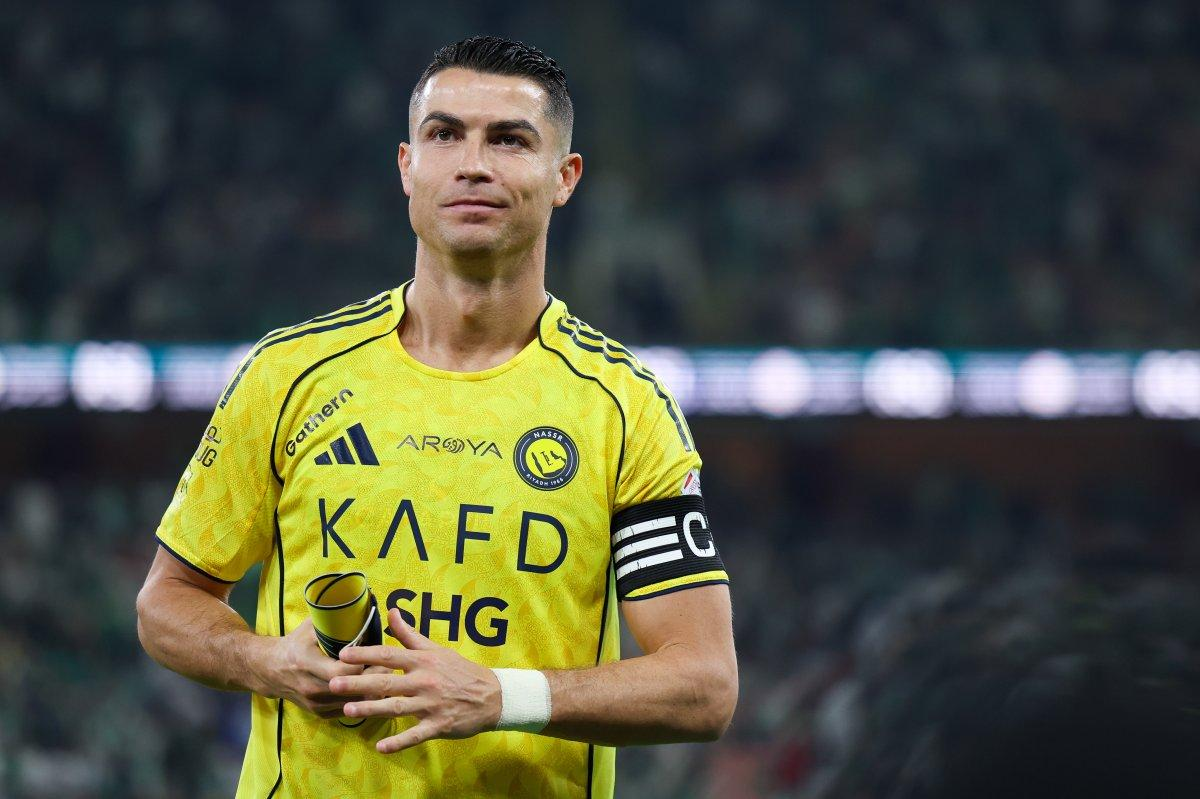
Cristiano Ronaldo remains one of the biggest names in world football and one of the most commercially successful athletes ever.
Even at 41, the Portuguese superstar continues to make headlines for his goals, massive earnings, business empire and personal life.
In 2026, Ronaldo has reached another major milestone away from football.
He married his longtime partner Georgina Rodríguez in a private civil ceremony in Portugal on August 11, 2026. At the same time, questions about his eventual retirement have become more prominent as he approaches the end of an extraordinary career.
Cristiano Ronaldo Quick Facts
| Detail | Information |
| Full name | Cristiano Ronaldo dos Santos Aveiro |
| Date of birth | February 5, 1985 |
| Age | 41 |
| Birthplace | Funchal, Madeira, Portugal |
| Nationality | Portuguese |
| Profession | Professional footballer |
| Position | Forward |
| Current club | Al-Nassr |
| Wife | Georgina Rodríguez |
| Net worth | Estimated $1.2 billion |
| Major clubs | Sporting CP, Manchester United, Real Madrid, Juventus, Al-Nassr |
What Is Cristiano Ronaldo’s Net Worth in 2026?
According to Forbes, Cristiano Ronaldo has an estimated net worth of $1.2 billion as of 2026. Forbes also identifies him as the first active athlete to surpass $2 billion in career earnings before taxes and agents’ fees.
Ronaldo’s wealth comes from much more than his football salary.
His income includes:
- Al-Nassr football earnings
- Sponsorship agreements
- Nike partnership
- CR7-branded products
- Hotels
- Fitness businesses
- Watches and fashion
- Social media and digital projects
- Other investments and business ventures
His enormous commercial appeal has allowed him to remain one of the highest-earning athletes even after moving away from European football.
How Much Does Cristiano Ronaldo Earn?
Ronaldo’s Al-Nassr contract is one of the most valuable agreements in sports.
Forbes estimated that Ronaldo earned approximately $300 million during the 12 months covered by its 2026 athlete earnings ranking. Around $235 million came from on-field earnings, while another $65 million came from endorsements, appearances, licensing and other business activities.
For comparison, Forbes estimated his total earnings at $280 million for the 2025-26 season, including approximately $230 million from Al-Nassr and $50 million off the field.
These figures demonstrate just how valuable Ronaldo remains commercially.
Cristiano Ronaldo’s Football Career
Ronaldo began his professional career at Sporting CP before moving to Manchester United in 2003.
His performances in England quickly attracted worldwide attention. He developed into one of the world’s best players at Manchester United before joining Real Madrid in 2009 for a then-world-record transfer fee.
At Real Madrid, Ronaldo enjoyed the most statistically productive period of his career.
He won multiple Champions League titles, domestic trophies and individual awards while becoming the club’s all-time leading goalscorer.
He later played for Juventus before returning to Manchester United in 2021.
In January 2023, Ronaldo moved to Saudi Arabia to play for Al-Nassr. The move changed the financial landscape of his career and helped make the Saudi Pro League a much bigger international attraction.
Cristiano Ronaldo and Al-Nassr
Ronaldo remains with Al-Nassr in 2026.
Forbes says his Saudi club contract contributes more than $200 million annually to his income, making him the world’s highest-paid athlete for the fourth consecutive year in its 2026 ranking.
His continued presence has also helped maintain international interest in Saudi football.
Ronaldo signed a new two-year contract with Al-Nassr in 2025, meaning he remains under contract as he enters the later stage of his playing career.
Has Cristiano Ronaldo Retired?
No. Cristiano Ronaldo has not retired from professional football as of August 2026.
However, retirement has recently become a major talking point.
Ronaldo recently suggested that the upcoming year could potentially be his final season in professional football. At 41, he has already enjoyed a career lasting more than two decades and is approaching the remarkable milestone of 1,000 career goals.
If he does retire in the near future, he will leave football as one of the sport’s most decorated and commercially successful players.
Who Is Cristiano Ronaldo’s Wife?
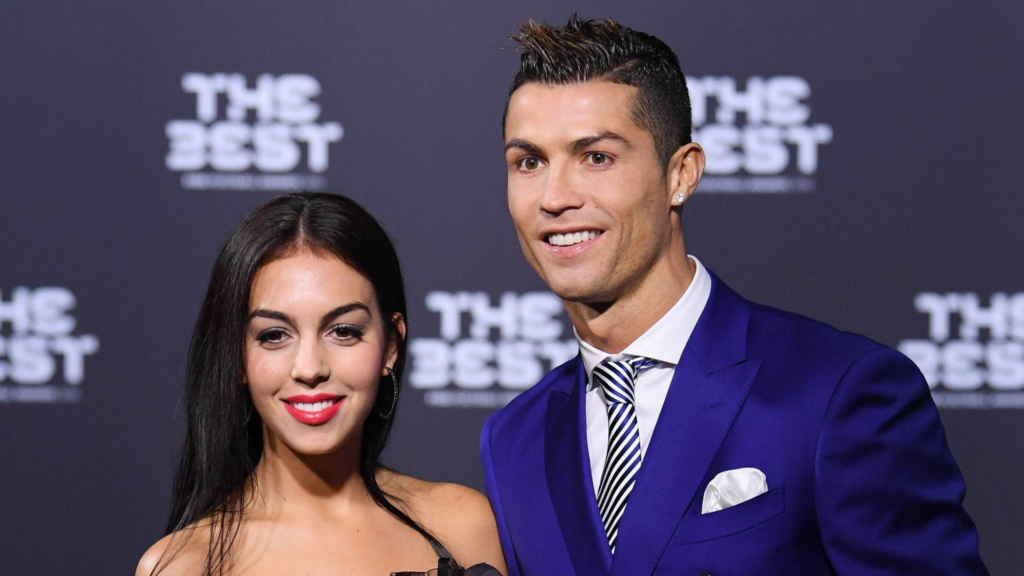
Cristiano Ronaldo is married to Georgina Rodríguez, a Spanish-Argentine model, influencer and businesswoman.
The couple had been together for around a decade before getting married in August 2026.
Their relationship began while Rodríguez was working at a Gucci store in Madrid. They subsequently became one of the world’s most recognizable celebrity couples, with their family life also featured in the Netflix series I Am Georgina.
Ronaldo and Rodríguez officially married in a private civil ceremony in Cascais, Portugal, on August 11, 2026.
How Many Children Does Cristiano Ronaldo Have?
Ronaldo is a father of five children.
His family includes:
- Cristiano Jr.
- Twins Eva Maria and Mateo
- Daughter Alana Martina
- Daughter Bella Esmeralda
Ronaldo and Georgina also experienced a heartbreaking loss in 2022 when their son Ángel died shortly after birth.
Family has remained an important part of Ronaldo’s public life, and he frequently shares moments involving his children with his enormous social media audience.
Cristiano Ronaldo’s Major Achievements
Ronaldo’s football career includes an extraordinary list of achievements.
Among his biggest accomplishments are:
- Five Ballon d’Or awards
- Multiple UEFA Champions League titles
- Premier League titles
- La Liga titles
- Serie A titles
- European Championship with Portugal
- UEFA Nations League success
- Real Madrid’s all-time leading goalscorer status
- Portugal’s all-time leading goalscorer status
He has also become one of the most prolific goalscorers in international football history.
By the beginning of the 2026 World Cup, Forbes reported that Ronaldo had reached 973 career goals.
Cristiano Ronaldo’s Business Empire
Ronaldo has transformed the CR7 name into a global business brand.
His commercial interests have included hotels, gyms, clothing, underwear, watches and other products.
His huge social media following also gives him extraordinary commercial power. Forbes describes him as one of the world’s most popular athletes, with nearly one billion followers across major platforms.
This business strategy could become even more important after football.
Unlike many retired athletes who depend mainly on investments and endorsements, Ronaldo has spent years building businesses connected directly to his personal brand.
Cristiano Ronaldo’s Future After Football
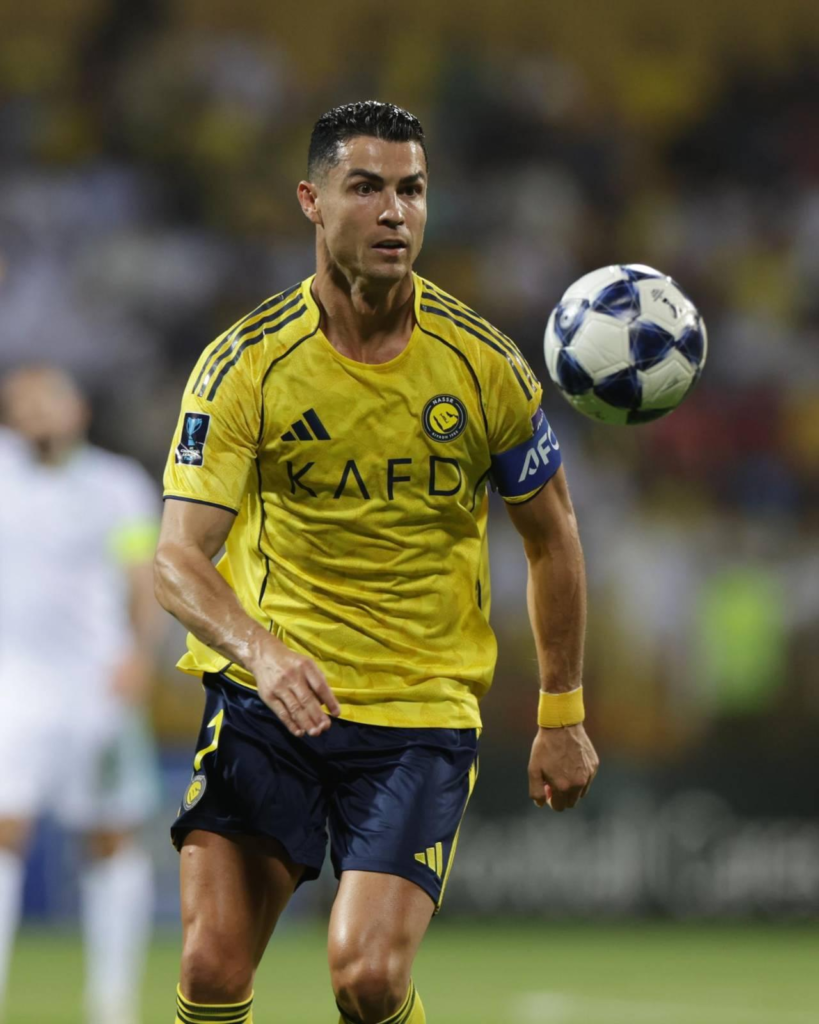
Ronaldo has not confirmed exactly when he will retire, but his recent comments have intensified speculation.
Whatever happens next, his financial position means retirement is unlikely to represent the end of his public career.
His CR7 brand, business interests, sponsor-ships and social media presence can continue generating income long after he stops playing professionally.
His next chapter could therefore involve more business ownership, investments and sports-related projects.
Cristiano Ronaldo Net Worth 2026: Final Thoughts
Cristiano Ronaldo’s estimated $1.2 billion net worth places him among the richest athletes in the world.
His extraordinary wealth has been built through elite football salaries, endorsements and a carefully developed global business brand.
In 2026, his story entered another fascinating chapter. He has married Georgina Rodríguez, remains one of Al-Nassr’s biggest stars and is approaching the possible final stage of his playing career.
Whether Ronaldo continues for another season or eventually steps away from football, his influence on the sport—and his financial legacy—will remain enormous.
Frequently Asked Questions
What is Cristiano Ronaldo’s net worth in 2026?
Forbes estimates Cristiano Ronaldo’s net worth at approximately $1.2 billion in 2026.
How old is Cristiano Ronaldo?
Cristiano Ronaldo was born on February 5, 1985, making him 41 years old in 2026.
Who is Cristiano Ronaldo’s wife?
Ronaldo’s wife is Georgina Rodríguez. The couple married in a private civil ceremony in Cascais, Portugal, on August 11, 2026.
How much does Cristiano Ronaldo earn?
Forbes estimated Ronaldo’s total earnings at approximately $300 million over the 12 months covered by its 2026 highest-paid athletes ranking, including $235 million from on-field earnings and $65 million off the field.
Which club does Cristiano Ronaldo play for?
Ronaldo plays for Al-Nassr in the Saudi Pro League.
Has Cristiano Ronaldo retired?
No. Ronaldo remains a professional footballer in 2026, although he has recently suggested that the upcoming year could be his final season.
How many children does Cristiano Ronaldo have?
Ronaldo has five living children: Cristiano Jr., twins Eva Maria and Mateo, Alana Martina and Bella Esmeralda. He and Georgina also lost their son Ángel in 2022.
-

 UK News1 month ago
UK Wildfires 2026: Why Are Fires Spreading and Which Areas Are at Risk?
-

 Crypto2 months ago
Crypto Trading May Be Algorithmic in the Future, but Not Completely Autonomous
-

 Fashion3 months ago
Here are the Top 8 Luxury Clothing Brands in the UK for 2026?
-

 Technology & AI4 months ago
Depomin82: Rethinking Digital Infrastructure for a Smarter Connected Future
-

 Fashion4 months ago
How to Build a Capsule Wardrobe on a UK Budget?
-

 Business4 months ago
The Hidden Expenses in eCommerce Accounting: The Reasons Most UK Online Retailers Calculate Profit incorrectly
-
 Celebrity3 months ago
Liam Costner: Life, Career, and Family Beyond Hollywood
-

 Celebrity3 months ago
Tom Hardy Net Worth in 2026: Salary, Earnings & Career Highlights