
Life Style
Café-Quality Coffee at Home: The Complete Aussie Guide

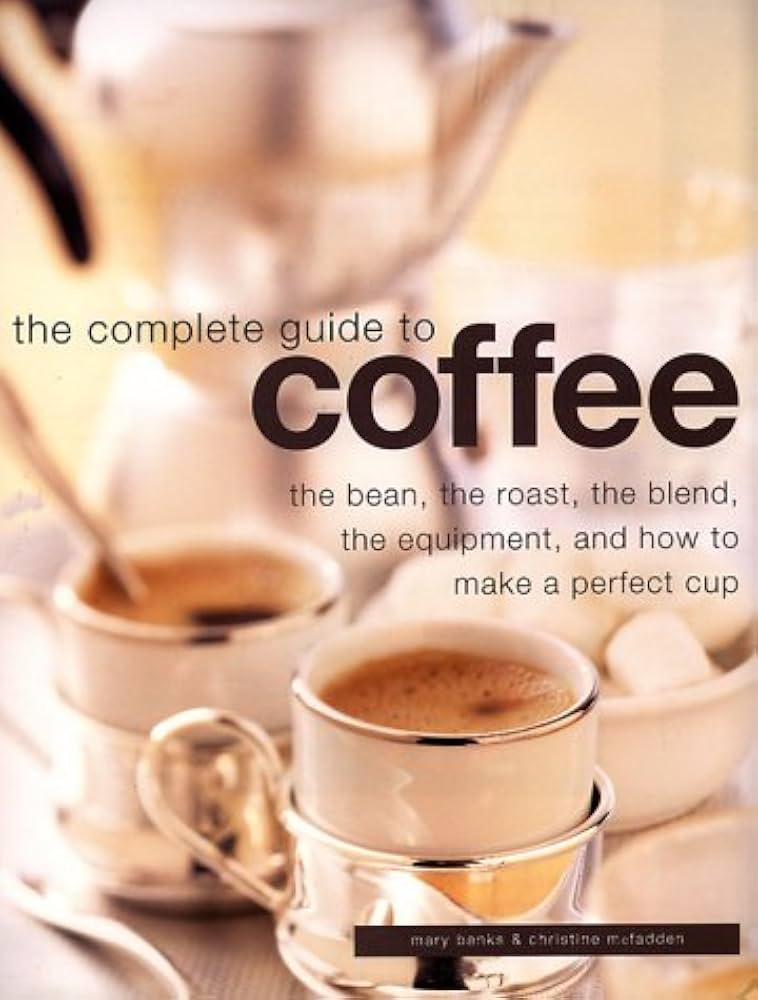
The majority of home coffee is bad for dull reasons. A blade grinder that grinds beans to dust, stale supermarket grounds, boiling water, and an excessive amount of milk None of that is a problem with skill. It is a setup problem.
Australians set a high standard for this due to the fact that we drink at cafés that generally do it right. The good news is you can hit café standards at home without a $3,000 machine. The three most important methods—espresso (and the flat white), pour-over, and cold brew—are covered in this guide, along with their ratios, gear tiers in actual dollars, and the small habits that do most of the work.
What “Café-Quality” Actually Means
Fix the four things that ruin home coffee before trying any other method. They are more important than the apparatus.
Freshness. Coffee is at its best within a few weeks of roasting and goes flat fast once ground. Buy the beans whole, check the roast date, and consume them within a month to two weeks.
Grind. A burr grinder produces even particles.
Chaos, some dust, some boulders, and a bitter, uneven cup are the results of a blade grinder. Upgrade this if you upgrade one thing.
Water. Since coffee almost entirely consists of water, if your tap contains a lot of chlorine, use filtered water and brew it right out of the pot at 92 to 96°C. The grounds are scorched by boiling water.
Ratio. The majority of weak home coffee is simply overdosed. Weigh the coffee with cheap kitchen scales instead of guessing with a scoop.
If you get those four things right, even cheap gear can make a cup that stands up to your local. The cafeteria standard in Australia is not a miracle. Consistency is it.
Beans and Milk: The Two Things Cafés Get Right
Gear gets all the attention, but the cup is decided by beans and milk. Buy beans from a roaster instead of the supermarket shelf, and look for a roast date within the past month rather than a vague best-before date. A medium or medium-dark roast stands up better in milk drinks like flat whites, while a lighter single origin shows off more flavour in black pour-over. Buy 250g at a time and consume it while it is still fresh from Australian specialty roasters, which ship fresh and are easy to find online. Because the fat carries the silkiness, whole milk steams best and gives milk the texture of a café. Skim produces more foam, but it tastes thinner.
The Three Methods, Step by Step
None of the three are necessary. Choose the one that best reflects how you currently consume coffee.
Espresso and the flat white
The most popular café beverage among Australians is this one. You need an espresso machine with a steam wand (or a Moka pot or manual lever for the shot), a burr grinder and a milk jug.
The shot: grind well, put about 18 grams into the basket, and aim for about 36 grams out in 25 to 30 seconds, or roughly double the weight. Sour and fast means grind finer. Slow and bitter indicate coarser. The milk: A flat white is a double shot served in a small cup with 140 milliliters of milk and 60 milliliters of espresso (Lavazza’s ratio is a good starting point). The milk is steamed milk with a thin layer of microfoam. Steam to 60-65°C, which is hot but not scorching.
Other café drinks from the same shot
The rest is just ratios once you can pull a shot and texture milk. A latte is the same shot with more milk in a taller glass. A cappuccino adds a thick foam cap. The closest thing to American “black coffee” is a long black, which is made by pouring espresso over hot water.
Pour-over
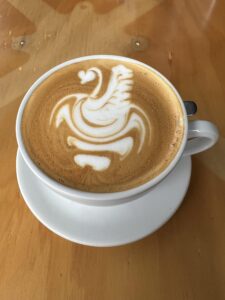
Pour-over coffee is clearer and less expensive to set up than espresso if you drink it black. For control, you’ll need paper filters, scales, a dripper like a V60, and, ideally, a gooseneck kettle. Use 15 grams of medium-ground coffee to 250 milliliters of water in a ratio of about 1:16. Begin by pouring just enough water to wet the ground and allow them to release gas for 30 to 45 seconds before proceeding in slow circles with the remaining water. Two and a half to three minutes are required for the entire brew. Grind finer if you move too quickly or poorly.
Cold brew
Of the three, cold brew requires the least effort and is the most accommodating. There is no actual technique, no machine, just time. For a concentrate, coarsely grind the coffee to the consistency of sea salt, mix it with cold water in a ratio of about 1:8 for 12 to 18 hours in the refrigerator.
Common Mistakes That Keep Your Coffee Average
The fixes are usually small and free.
Pre-ground supermarket coffee. It is stale before you open the bag. A grinder and whole beans alter everything.
Boiling water. Straight off the boil scorches the grounds and turns the cup bitter. After the kettle clicks, wait approximately 30 seconds.
Eyeballing the dose. Scumbags lie. A set of scales that cost $15 instantly fixes poor coffee.
Over-foaming the milk. Café milk is silky, not bubbly. Instead of a stiff cap that sits on top like meringue, go for microfoam that you can pour flat.
Chasing latte art before flavour. A sour shot with a pretty pattern is still a sour shot. Get the espresso and milk texture right first; the rosetta can wait.
Frequently Asked Questions
Is it really possible to make coffee of a café-quality at home?
Yes, and without the costly equipment. Café quality comes from fresh beans, an even burr grind, water just off the boil, and the right coffee-to-water ratio. The grinder is more significant than the machine.
What’s the easiest café drink to make at home?
By a great deal. Cold brew. There is no machine and almost no technique: coarse-grind the coffee, steep it in cold water in the fridge for 12 to 18 hours, strain, then dilute to taste. It is suitable for the climate of Australia, keeps for days, and is forgiving. Pour-over is the next easiest for black coffee.
Without an espresso machine, how can I prepare a flat white?
For a strong espresso-like shot, use an AeroPress or Moka pot. Then, froth the milk with a handheld frother or by shaking it hot in a jar. It will not be identical to a café flat white, but with good beans and silky microfoam it gets close. To keep the coffee strong, keep the cup small.
What proportion of water to coffee should I use?
For pour-over and filter, start near 1:16, roughly 15g of coffee to 250ml of water. Espresso has a ratio closer to 1:2, about 18 grams in for 36 grams out. After being diluted, the cold brew concentrate is about 1:8. Weigh it with scales rather than guessing, since under-dosing is the usual reason coffee tastes weak.
Is a burr grinder truly necessary?
Yes. A burr grinder makes even particles that extract evenly and taste balanced. Random chops produced by a blade grinder yield bitter and sour-tasting dust and chunks. Make the grinder, not the machine, your one and only upgrade to your setup.
Why is my home-brewed coffee bitter?
Usually one of three things: water too hot, grind too fine for the method, or brewing for too long. After 30 seconds, coarsen the grind or shorten the brew in the kettle. Sour and thin indicate the opposite; bitter and harsh indicate relaxation. Some of it is surprisingly fixed by fresh beans.
How much money can be saved by making coffee at home?
A lot. A daily café coffee at around $4 to $5 adds up to well over $1,000 a year in Australia. In a household with two coffees, a mid-tier grinder and machine typically pay for themselves within a year. After that, the beans and milk are the only items that cost more per cup. Coffee is one of those pastimes where you can always learn something new.
The Takeaway
Getting cafe-quality coffee at home requires fewer gadgets than errors. More than any upgrade you can buy is the use of fresh beans, a uniform grind, boiling water, and a measured ratio. Start with a strategy that works for you. Black-coffee drinker, learn pour-over. Flat white loyalist, get a grinder and a machine with a steam wand. If you like your coffee with ice in the summer, make some cold brew this weekend. Then practise.

Dating in the UK is changing in 2026. While dating apps remain an important way for people to meet, many singles are becoming tired of endless swiping and conversations that never turn into real dates. At the same time, genuine communication, shared values, and relationships that feel natural are gaining popularity. The dating landscape is becoming more diverse than ever, ranging from using AI-powered dating features to meet people through friends and social events. Here are some of the biggest dating and relationship trends shaping the UK in 2026.
1. Singles Are Looking for More Meaningful Connections
One of the biggest trends in 2026 is a move towards quality rather than quantity.
Instead of collecting matches, many people want to find someone who genuinely shares their interests, values and lifestyle. British Gen Z research also points towards a strong interest in steady, meaningful relationships, with authenticity and compatibility becoming increasingly important.
This means dating profiles and conversations are becoming less about looking perfect and more about showing personality.
2. Dating Apps Are Facing Burnout

Dating apps are still widely used, but enthusiasm for endless swiping appears to be changing.
Research published in the UK found that 53% of single adults surveyed would rather move away from dating apps and try more traditional ways of meeting potential partners. Among Gen Z respondents, the figure was even higher.
This does not mean dating apps are disappearing. Instead, people are becoming more selective about how much time and energy they put into them.
3. Real-Life Dating Is Coming Back
The return of face-to-face socializing in the UK in 2026 is one of the most intriguing dating trends. Singles are increasingly looking for opportunities to meet people through friends, speed-dating events, hobbies, pubs and social gatherings. Friends use humorous PowerPoint presentations to present potential matches at “Date My Mate” events, which have emerged as a novel alternative to conventional dating apps in London. The appeal is simple: meeting someone in person can feel more spontaneous and authentic than judging a profile based on a few photographs.
4. Friends Are Becoming Matchmakers Again
In today’s dating, friends are becoming increasingly important. 42% of young singles in Tinder’s 2025 Year in Swipe study said that their friends have an impact on their dating lives, and 37% said they plan to try group or double dates. Dating may become more social and less stressful as a result of this trend. People can meet potential partners in a group, where conversations may feel more natural, rather than meeting a complete stranger on their own.
5. Clear Communication Matters More
In 2026, mixed signals will become less appealing. Many daters want to know what the other person is looking for rather than spending weeks trying to interpret messages. Tinder’s research describes this shift as a move towards clearer intentions and more honest communication.
For modern relationships, being open about expectations can help prevent misunderstandings and make dating less complicated.
6. Emotional Availability Is Attractive
Being emotionally available is becoming a bigger part of attraction.
People increasingly want partners who can communicate their feelings, listen properly and handle difficult conversations without immediately disappearing. Tinder’s 2026 trend research found that honest conversations and empathy after rejection were important themes among young singles.
In other words, emotional maturity is becoming just as important as physical attraction.
7. Low-Pressure First Dates Are Popular
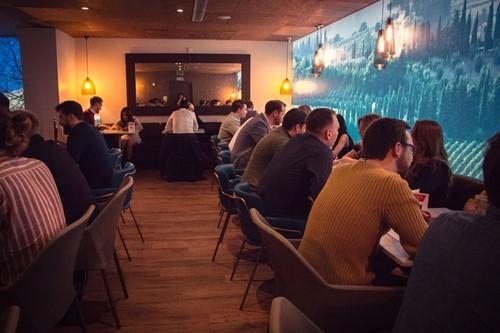
The traditional idea of an elaborate first date is losing some of its appeal.
Coffee, walks, casual drinks and simple activities can make first meetings feel less intimidating. Tinder reported that playful, low-pressure activities such as walks and coffee were among the preferred first-date styles in its research.
Also, it’s easier for two people to focus on talking on a simple date instead of worrying about creating the perfect romantic experience.
8. AI Is Entering the Dating World
Artificial intelligence is becoming another part of online dating in 2026.
Dating platforms are experimenting with AI features designed to help users start conversations, improve profiles and discover potential matches. Hinge has introduced AI-related features aimed at helping users express themselves, while major dating companies are increasingly exploring AI-powered matchmaking.
However, AI is unlikely to replace genuine chemistry. Even though a tool can help someone start a conversation, actual human interaction is still essential to the relationship.
9. Dating App Rules Are Changing
Dating apps themselves are changing in response to user behavior.
In August 2026, Bumble announced that it was removing its traditional rule requiring women to make the first move in heterosexual matches. The company said either person can now start the conversation, while the time available to respond has also been extended.
The change reflects a wider shift in the dating-app industry as companies try to respond to user fatigue and changing expectations.
10. Kissing and Physical Intimacy Are Being Reconsidered
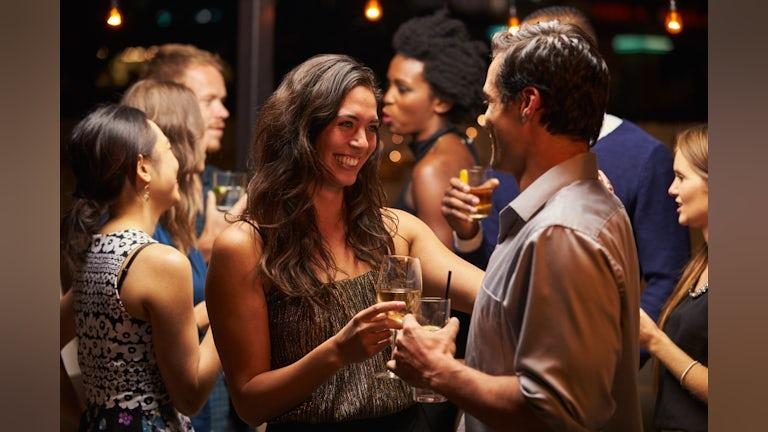
The shifting attitude toward physical intimacy is an unexpected relationship conversation in 2026. Recent UK reporting based on YouGov data found that more than a third of British adults said they were kissing less frequently than five years ago. Particular concerns have been raised regarding young people’s romantic relationships, confidence, and social interaction. This does not imply that romance is dying out. Instead, it suggests that people may be taking longer to become comfortable with physical intimacy and emotional vulnerability.
What Do UK Singles Want in 2026?
Overall, the UK dating scene appears to be moving towards authenticity, clarity and genuine connection.
People still want romance, but many are becoming less interested in games, confusing communication and endless online conversations. They want to meet someone who fits their lifestyle, respects their boundaries and is willing to communicate honestly.
For younger people especially, shared values and emotional compatibility are becoming important parts of choosing a partner.
Final Thoughts
Dating and relationship trends in the UK are changing rapidly in 2026. Dating apps remain part of modern romance, but singles are increasingly exploring alternatives such as social events, group dates, speed dating and introductions through friends.
At the same time, clear communication, emotional availability, shared values and low-pressure dating are becoming more important.
The biggest trend may therefore be a simple one: people want dating to feel more human again. Whether someone meets a partner through an app, a friend or a London pub event, genuine conversation and compatibility still matter most.

Photography has advanced far beyond simply posed shots in today’s fast-paced environment. Storytelling, authenticity, and passion are key components of current London photography, whether it’s capturing the energy of city life or the thrill of a particular occasion. Knowing these trends might be crucial for anyone looking for a lifestyle or event photographer in London life style.
The Rise of Candid Storytelling
London’s contemporary lifestyle and event photographers are increasingly concentrating on unscripted, unplanned situations. These candid photos convey the spirit of the moment and the essence of personality, making them seem authentic and relevant.
These days, a lifestyle photographer in London frequently captures people in their natural settings, whether they are having coffee at a neighborhood cafe, discovering undiscovered areas of the city, or spending time with loved ones. These photographers place more emphasis on genuine expressions, natural interaction, and the scene’s overall energy than on forced postures. Instead of merely striking a picture-perfect pose, our method enables customers to revisit their memories with authentic emotion.
In a similar vein, London event photographers now prioritize narrative over planned group photos. Weddings, business meetings, and social events are captured on camera as they happen, showcasing impromptu giggles, quick looks, and sincere responses. Instead of being only a list of moments, the outcome is a visual narrative that conveys the actual essence of the event.
Minimalist and Editorial Aesthetics
The move toward editorial and minimalist photography is another significant trend in London. Fashion and editorial photography serve as a source of inspiration for lifestyle and event photographers, who incorporate intelligent composition, subdued color schemes, and clean lines.
Minimalist design lets the subject and narrative take center stage in lifestyle photos. Natural stances, uncluttered backdrops, and subtle lighting all contribute to the feeling of sincerity and tranquility. These methods aid in showcasing the grace and atmosphere of the event in event photography, giving each shot the feel of a magazine-worthy moment rather than a mere snapshot.
Integration of Urban Environments
Photographers are increasingly utilizing London as a storytelling tool because it provides a diversified urban canvas. Both lifestyle and event photography benefit from the urban environment’s complexity and context, which includes anything from vivid street art to hidden passageways and historic landmarks.
To capture the essence of the subject’s personality and way of life, a lifestyle photographer in London might employ famous sites like noting Hill, covert Garden, or shore ditch. Photographers produce visually arresting and attractively rich photos by mixing people with their surroundings.
Urban backdrops provide a contemporary and elegant touch to event photography. The atmosphere of an event can be improved by using historic halls, industrial-chic venues, or rooftop parties with expansive city views. Ordinary photos become captivating narratives when interactions are captured against certain backdrops.
Technology and Creative Experimentation
Current trends have also been influenced by advancements in digital tools and photography technology. Photographers may experiment with angles, perspectives, and post-production effects thanks to drones, mirror less cameras, and sophisticated editing software. In both lifestyle and event photography, aerial images, imaginative compositions, and dramatic lighting are becoming more and more popular.
Additionally, photographers are fusing social media-friendly formats like Instagram reels or brief films with classical photography. By enabling clients to share their experiences in a dynamic manner, these multimedia techniques enable storytelling to go beyond a static image.
Sustainability and Ethical Photography
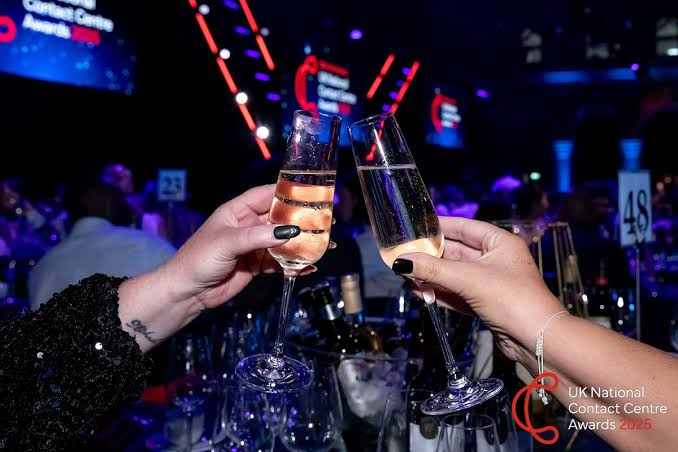
Focusing on sustainability and ethical methods is a new trend in London’s photography scene. These days, a lot of lifestyle and event photographers place a high priority on econ-friendly photo shoots, which include cutting down on travel, minimizing trash, and utilizing econ-friendly backdrops and accessories. Furthermore, photographers are becoming more and more dedicated to ethical storytelling, making sure that pictures accurately depict their subjects while respecting privacy and cultural sensitivity.
Choosing the Right Photographer
Choosing the correct photographer is more crucial than ever in light of these changing trends. Knowing the style, attitude, and portfolio of the photographer is essential. In London, you may need a lifestyle photographer to film your everyday life. Or you may require an event photographer in London to document a particular occasion. Seek someone who can easily incorporate urban or nature settings into their work. They should embrace modern aesthetics and excel at telling honest stories.
Conclusion
The photographic scene in London is booming with originality, genuineness, and inventiveness. Editorial esthetics, dynamic urban settings, and candid storytelling have supplanted the days of exclusively posed pictures.
You can preserve memories in their most authentic form. You can capture moments that go beyond the ordinary. Do so by selecting the proper professional, whether lifestyle or event photographers in London. Ultimately, the goal is to tell your tale, one genuine photo at a time, rather than only shooting pictures.
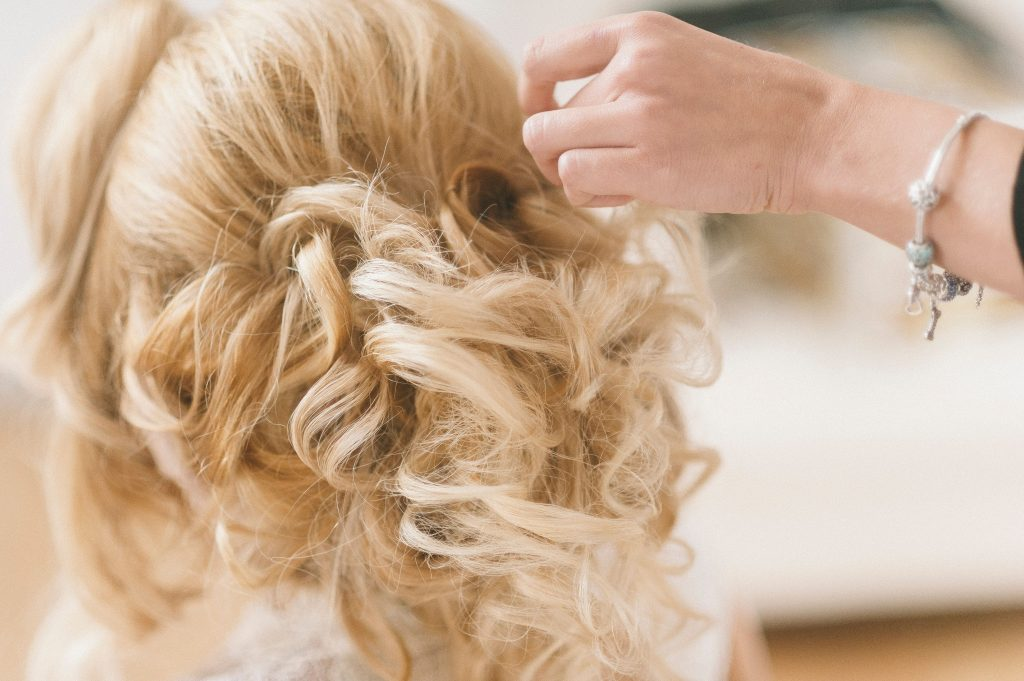
For anyone who is suffering thinning hair, decreased volume, or changes in general density, choosing a hair replacement alternative is a significant decision. The ideal option should complement your own style without being noticeable, blend in seamlessly, and be comfy all day. With so many options, knowing what constitutes a realistic, high-quality improvement can help you make an informed and confident choice. Your hair replacement option will support comfort and long-term wear ability if you prioritize craftsmanship, materials, and careful design.
Understanding Hair Quality and Realistic Movement
One of the most crucial factors to take into account when selecting a replacement option is the actual quality of the hair. Natural gloss, genuine movement, and the ability to style with heat tools just like you would your own hair are all provided by human hair. Since both rely on carefully chosen strands that replicate natural density and texture, many women considering options for greater coverage compare various possibilities to a reliable hair topper. The importance of this attribute is emphasized by ideas like hair realism and strand quality.
Long-term durability is also supported by high-quality hair. Even with frequent style and everyday usage, the enhancement retains its appearance when strands are carefully matched and treated.
Evaluating Base Construction for Comfort and Security
In order to get a natural appearance and guarantee that the replacement option feels secure all day, a comfortable base is crucial. High-end items frequently have breathable, light materials that gently rest on the scalp without irritating it.
Matching Density to Your Natural Hair for Seamless Blending
How well a hair replacement option integrates with your original hair is mostly dependent on its density. A well-made piece provides richness without looking heavy or manufactured because of its balanced density. The
The augmentation will complement your natural hairline and texture if you choose the proper density.
Choosing the Right Size and Coverage Area
Different base sizes of hair replacement alternatives are available to accommodate varying degrees of thinning or desired fullness. The piece will fit comfortably and blend in perfectly with your natural hair if you choose the right size.
A piece that is too big could be overwhelming, while one that is too small might not offer sufficient covering.
Matching Color and Tone with Precision
One of the most crucial elements in choosing a hair replacement product that fits in flawlessly is color matching. Superior pieces are available in a variety of natural-looking hues, undertones, and highlight patterns. Ideas like tone selection and color matching highlight how crucial this phase is.
Considering Styling Versatility for Everyday Wear
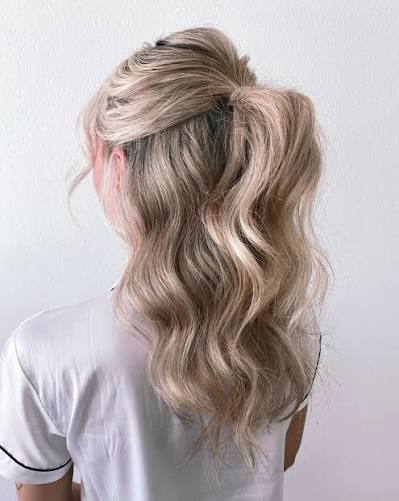
A high-end hair replacement should complement your individual style. Synthetic hairpieces cannot match the everyday adaptability, color changes, and heat styling capabilities of natural human hairpieces. Ideas like personalization options and design flexibility show how crucial this aspect is for long-term enjoyment.
Your hair solution will adjust to your lifestyle thanks to styling versatility. A high-quality item allows you to confidently express yourself, regardless of your preference for sleek styles, gentle waves, or sporadic color changes.
Conclusion
Understanding hair quality, base construction, density, size, color matching, and styling versatility makes selecting a hair replacement alternative more assured and knowledgeable. Together, these characteristics produce a natural-looking augmentation that is pleasant, fits in flawlessly, and boosts daily confidence.
-

 Crypto3 weeks ago
Crypto Trading May Be Algorithmic in the Future, but Not Completely Autonomous
-

 Technology & AI3 months ago
Depomin82: Rethinking Digital Infrastructure for a Smarter Connected Future
-

 Fashion2 months ago
How to Build a Capsule Wardrobe on a UK Budget
-

 Fashion2 months ago
Here are the Top 8 Luxury Clothing Brands in the UK for 2026
-

 Business3 months ago
The Hidden Expenses in eCommerce Accounting: The Reasons Most UK Online Retailers Calculate Profit incorrectly
-

 Celebrity2 months ago
What is Tom Hardy’s Net Worth and Salary?
-

 Blog3 months ago
mmsbre: Reimagining Digital Connectivity in a Hyper-Intelligent World
-

 Celebrity3 months ago
Fred Dimbleby: ITV News’s Top Political Journalist and His Influence on UK Reportin