
Health
How to Choose the Right Dental Retainer for Your Teeth Alignment Needs


The process of maintaining a straight smile does not end when clear aligners or braces are removed. The retention phase of orthodontic treatment is very important, and the type of retainer you choose will help keep your teeth in their new positions. Teeth can slowly shift back without the right support, undoing months or even years of treatment. It is essential for long-term success to comprehend your options and select a retainer that meets your lifestyle, comfort level, and dental requirements.
Why Retainers Are Necessary After Orthodontic Treatment
After braces or aligners are removed, your teeth are not completely stable. It takes time for the bone and ligaments that support them to adjust to their new positions and strengthen. During this period, teeth are more prone to shifting and instability. During the retention phase of orthodontic treatment, retainers for teeth are crucial for this reason. Throughout the duration of this stabilization process, a retainer holds your teeth in place. For long-term maintenance, many orthodontists recommend wearing the braces day and night at first.
Types of Dental Retainers
There are three primary types of retainers that are typically used following orthodontic treatment:
A fixed retainer is a thin wire that is permanently bonded to the teeth’s back surface. They stay in place permanently and provide continuous support without requiring daily removal or reapplication.
Acrylic and metal wire are used to make Hawley retainers, which can be removed. They have been utilized in orthodontics for many years and are enduring and adaptable. Retainers made of clear plastic are made specifically to fit over the teeth. Although they may require replacement more frequently, they are a popular modern option due to their near-invisibility and comfort. Each type has its strengths, and the best choice depends on your specific dental needs and daily habits.
Key Factors to Consider When Choosing a Retainer
One of your top priorities should be your level of comfort. Retainers ought to feel natural and not irritate because they are frequently worn for extended periods of time, particularly overnight. Another important factor is appearance. Hawley retainers are more noticeable due to their metal components, whereas clear retainers are almost imperceptible. Durability is also important. Clear retainers may wear down or crack over time, depending on how much they are used, whereas fixed retainers and Hawley retainers typically last longer. Another consideration is the ease of cleaning.
Finally, a lot depends on how you live. A fixed option may be more reliable for maintaining alignment if you are concerned that you might forget to wear a removable retainer on a regular basis.
Understanding Modern Retainer Options
The options for orthodontic treatment today are more adaptable than ever before. Using digital scans, impressions, or advanced fitting systems that improve accuracy and comfort, retainers can be made to order. Many people compare materials, design features, and long-term maintenance requirements when considering various options. This helps them understand which type of retainer will best suit their needs.
When evaluating teeth retainers, some patients also look at comprehensive product information and seek professional advice. As a result, they have a better understanding of the distinctions between fixed and removable options as well as how each one fits into various lifestyles. Taking a look at different options for teeth retainers can also help you understand how different designs differ in terms of comfort, durability, and appearance. Patients can also make better decisions based on their preferences for maintenance and long-term wear by comparing different options for teeth retainers.
Step-by-Step Guide to Choosing the Right Retainer
Start by consulting your orthodontist. Your treatment history, bite alignment, and risk of relapse all play a role in their recommendation. Next, identify your priorities. Choose whether you place the highest value on invisibility, durability, ease of use, or cleanliness. Then think about how disciplined you are. Removable retainers may be beneficial if you stick to your daily routine. If not, a fixed option might be better. After that, compare the various models in terms of comfort and upkeep. Consider how each choice will fit into your daily routine. Lastly, concentrate on long-term use. Retainers are not temporary devices but long-term tools that help preserve your smile for years.
How to Care for Your Retainer
Your retainer must be maintained in a clean and effective manner with proper care. Using a gentle, non-abrasive cleaner and a soft toothbrush, removable retainers should be cleaned every day. Avoid using hot water because it may alter the retainer’s shape. When not in use, removable retainers should always be kept in a protective case to prevent loss or damage. It is essential to practice good oral hygiene when wearing fixed retainers. Brush the wire with care and make use of flossing tools made for small spaces.
Final Thoughts
Choosing the right dental retainer is an important step in protecting your orthodontic results. You can select a choice that promotes long-term stability by comprehending the types that are available, taking into account your way of life, and seeking professional guidance. Your bite stays balanced, your teeth stay in place, and your smile stays confident for years to come with the help of a well-chosen retainer.

The goal of the developing field of regenerative medicine is to assist the body in replacing, repairing, or restoring damaged organs, tissues, and cells. Regenerative medicine looks for ways to promote the body’s natural healing processes, in contrast to many standard treatments that primarily address symptoms.
Because the discipline incorporates biology, medicine, genetics, and cutting-edge technology, it may appear complex to novices. But the underlying notion is straightforward: use or stimulate biological processes involved in repair to aid in the body’s recovery.
What Is Regenerative Medicine?
Regenerative medicine is a broad field that includes approaches designed to restore damaged biological structures or improve their function. Researchers are studying different methods, including stem cells, tissue engineering, biomaterials, and certain biological molecules.
The goal is not necessarily to create a completely new body part. In many cases, researchers are exploring ways to encourage existing cells to repair tissue or create an environment where healing can occur more effectively.
How Does Regenerative Medicine Work?
Natural mending systems are already present in the human body. For instance, a minor skin cut can heal on its own without the need for medical attention. Regenerative medicine looks into ways to improve or support these natural processes.
Different approaches work in different ways.
Stem Cells
Researchers are investigating the potential applications of several stem cell types in tissue repair and other medicinal fields.
Patients should be particularly wary of clinics that make sweeping claims without solid scientific proof.
Tissue Engineering
Tissue engineering investigates the possibility of repairing or reconstructing damaged tissues by combining biological signals, materials, and cells.
Scaffolds are structures that researchers may create to support cells while new tissue grows.
Biomaterials
Materials with specific designs can either create an atmosphere that promotes tissue healing or offer physical support.
Where Is Regenerative Medicine Being Studied?
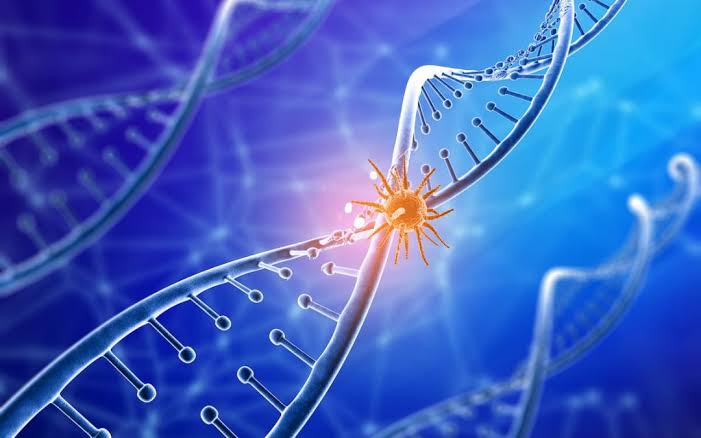
Numerous facets of healthcare are investigating regenerative medicine. Potential uses in tissue damage, orthopedic diseases, wound healing, cardiovascular illness, neurological disorders, and other medical domains are being investigated by researchers.
Applications differ significantly in the quality of the evidence. While some regenerative technologies are still in the experimental stage and being assessed through clinical research, others are currently utilized in well-established medical therapies.
Potential Benefits
Regenerative approaches could eventually help researchers:
- Support natural tissue repair
- Develop replacement tissues
- Improve certain medical implants
- Reduce damage caused by disease or injury
- Create new approaches to difficult-to-treat conditions
- Improve understanding of how human tissues heal
- Research is still ongoing in many areas.
Is Regenerative Medicine Safe?
The particular treatment, procedure, and medical condition all affect safety. An experimental treatment provided by an uncontrolled clinic differs greatly from a therapy that has undergone extensive testing and approval.
When thinking about regenerative medicine, people should find out if the treatment has been scientifically investigated, if it is allowed or approved for the intended purpose, what hazards are understood, and whether there is clinical evidence to support its efficacy.
Providers who guarantee cures, assert that a treatment is effective for nearly every illness, or dissuade patients from consulting licensed medical professionals should be avoided.
The Future of Regenerative Medicine
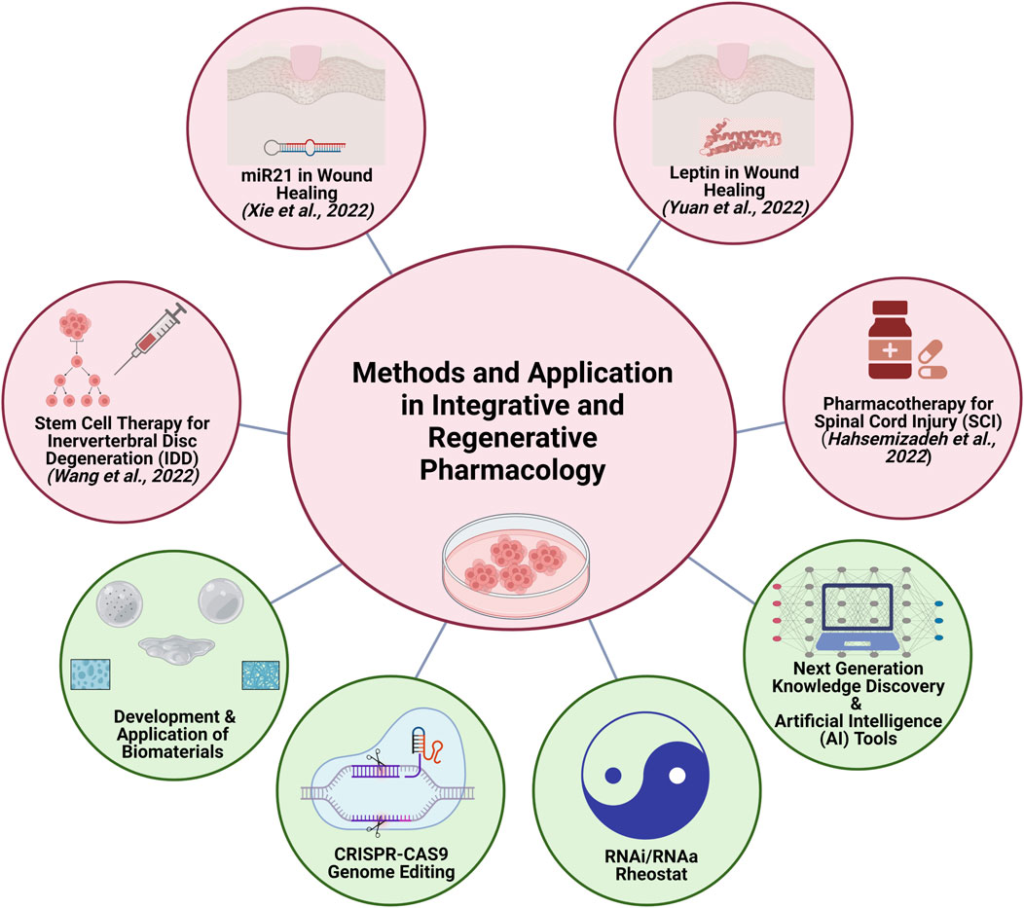
As researchers gain more knowledge about cells, genetics, tissue repair, and the body’s healing processes, regenerative medicine will continue to advance. Researchers may be able to produce more complex tissues and more specialized treatments because of developments in biotechnology.
Important issues such safety, immunological responses, long-term efficacy, manufacturing, cost, and ethical considerations must be addressed concurrently by researchers.Even while the future seems bright, prudent research and solid clinical data will always be crucial.
Conclusion
Understanding and promoting the body’s capacity to mend damaged tissues and restore function is the goal of the fascinating topic of regenerative medicine. It covers fields including biomaterials, tissue engineering, and stem-cell research.
The most crucial thing for novices to keep in mind is that regenerative medicine is not a single treatment. It is a vast field that includes both experimental methods and well-established medical applications.
Regenerative medicine may provide new avenues for treating illnesses and injuries as research progresses. For the time being, anyone thinking about regeneration therapy should speak with a trained healthcare provider about the possibilities, advantages, dangers, and existing data.
Health
Why a Diagnostic Image Is Important: How Diagnostic Imaging Aids in the Early Identification of Illness and Injury
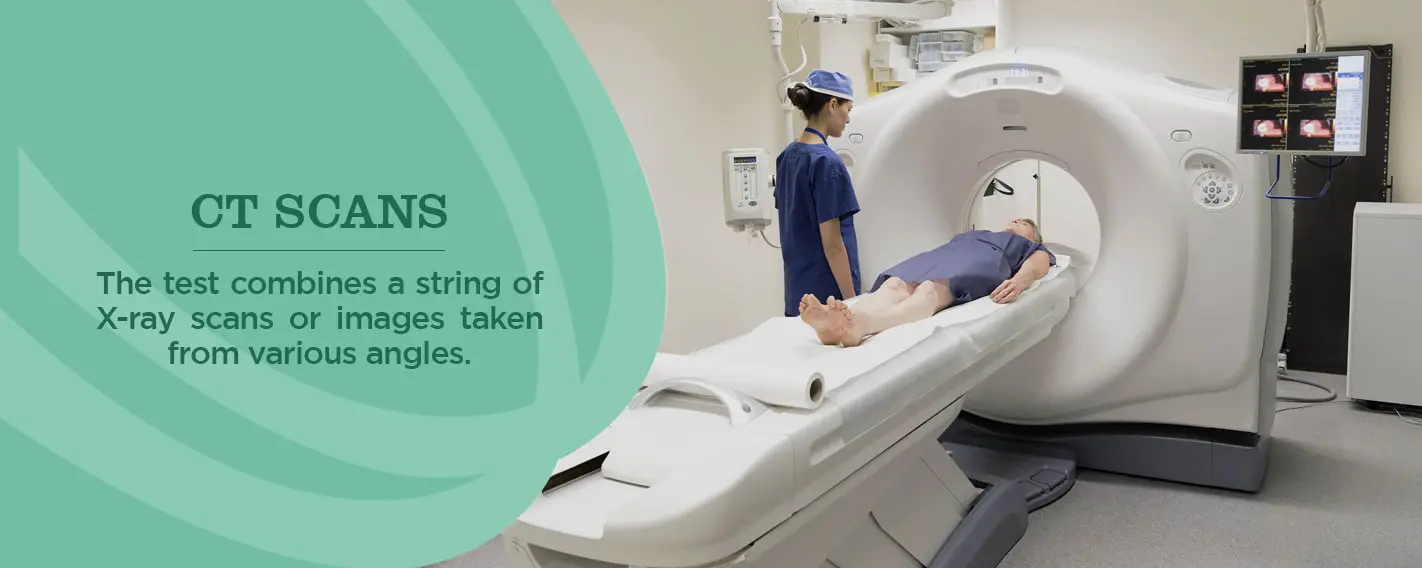
Without requiring extensive surgery, a diagnostic image can provide medical professionals with an early view at what is going on inside the body. For this reason, diagnostic imaging has grown to be a crucial component of contemporary healthcare. An imaging exam can assist identify the potential source of pain, edema, breathing difficulties, disorientation, or injury symptoms. Before the issue worsens, it can identify internal bleeding, a lung infection, a broken bone, a blocked blood vessel, or abnormalities in an organ. Early imaging frequently results in early therapy, and early treatment frequently improves a patient’s prognosis.
Because many diseases do not first exhibit evident symptoms, this is even more important. A person may experience mild discomfort, feel exhausted, or observe nothing out of the ordinary. Nevertheless, an issue could arise in the brain, belly, joints, soft tissue, or chest. Doctors can utilize actual images of the body to determine what should happen next rather than speculating. This can make patients feel more knowledgeable about their own health, cut down on delays, and increase accuracy.
What a diagonal Image Really Means
Healthcare teams can use these pictures to look at interior structures like blood flow, muscles, organs, and bones. The main principle is straightforward: imaging enables physicians to observe more than a conventional examination can. Inflammation, tears, masses, fluid accumulation, constriction, and other undetectable changes can all be verified by a scan. It is equally significant because it can help rule out dangerous conditions. One of the biggest advantages of imaging for many patients is that it shifts the focus from uncertainty to solutions.
How Imaging Supports Early Detection
The function of a diagonal Image in early detection is one of the main reasons it matters. Early detection makes many medical disorders easier to treat. Fractures, tumors, strokes, pneumonia, internal bleeding, injury to the spine, and joint disorders fall under this category. Imaging can help physicians act quickly in emergency situations. A brain scan can reveal whether bleeding or obstruction is the source of stroke symptoms. Before it becomes life-threatening, an abdomen scan may identify appendicitis or another serious issue.
Early detection is crucial outside of emergency situations as well. It is also important for follow-up and normal treatment. Imaging may be necessary to look for structural changes in a patient who experiences frequent headaches. Long-term back discomfort may require a scan to examine the spine, nerves, or disks. A person may require chest or abdominal imaging to examine deeper if they have a persistent cough, unexplained weight loss, or odd test findings.
Common Types of Diagnostic Imaging
Patients may feel less overwhelmed if they are aware that each test has a unique strength. An X-ray is quick and frequently used for dental problems, chest problems, and fractured bones. . CT scans are helpful for trauma, internal injuries, and various organ diseases because they combine several pictures to produce detailed views. MRI creates detailed images, particularly of the brain, nerves, joints, and muscles, using radio waves and magnets.
An MRI may be necessary for a suspected ligament tear, although a simple X-ray may be sufficient for a twisted ankle. Depending on the circumstances, a person experiencing severe abdominal pain may initially undergo a CT scan or ultrasound. The objective is to order the appropriate test at the appropriate time, not more testing than is necessary. Imaging is extremely useful in practical care because of this.
What Diagnostic Imaging Can Help Find
From minor concerns to major illnesses, a diagonal Image can assist in the detection of a very broad spectrum of medical disorders. Fractures, joint damage, tears in the muscles, kidney stones, gallstones, blood clots, tumors, lung alterations, infections, swelling, and fluid accumulation can all be seen. Additionally, it might be useful in spotting symptoms of long-term illnesses such arthritis, deterioration of the spine, liver disease, and abnormalities relating to the heart. Imaging frequently becomes a crucial step in comprehending symptoms that cannot be explained by ordinary observation alone in children, adults, and the elderly.
The following are some typical fields where imaging is crucial:
- discovering fractured bones following sports injuries, falls, or auto accidents
- examining the lungs for fluid, infection, or other issues related to the chest
- checking the brain following a head injury, seizure, or stroke symptoms
- searching for organ alterations in the liver, kidneys, gallbladder, or pancreatic
- tracking healing, treatment progress, or changes in a known ailment; researching joints, muscles, tendons, and ligaments when pain does not improve
This variety of applications explains why diagnostic scans are increasingly used in both planned care and emergency treatment. They make far better informed medical decisions, but they do not take the position of doctors.
Why Faster Answers Can Change Outcomes

Time is of the essence when symptoms are severe. The entire course of treatment can be altered by a quick and precise scan. Imaging can assist swiftly determine the next course of action and rule out some potentially harmful causes of chest pain.
A scan may help evaluate whether surgery is necessary if a youngster is experiencing severe abdominal pain. Imaging may still show hidden injuries if an elderly person falls and initially appears unharmed. Faster responses can avoid complications and lower the likelihood of treatment delays in each situation.
Faster responses can significantly improve quality of life even outside of urgent care. Many patients struggle for weeks or months to figure out why they are experiencing pain, weakness, edema, or other inexplicable symptoms. Treatment can become more focused if the cause has been identified via a diagonal Image.
This could entail pharmaceutical adjustments based on the results of the scan, surgery in place of recurrent temporary treatment, or physical therapy in place of rest alone. Imaging is useful for more than just identifying issues. It frequently facilitates a quicker route to the appropriate care plan.
The Role of Imaging in Disease Detection
Additionally, diagnostic imaging is essential for identifying illness before it progresses. Numerous diseases alter the size, shape, or appearance of tissue and organs. A scan may reveal an inflammation, growth, obstruction, or structural alteration that clarifies symptoms. Imaging can also help with screening and monitoring in some situations.
One of imaging’s subtle advantages is its capacity to track change. It goes beyond simply identifying an issue once. It also involves determining if the issue is stable, getting better, or getting worse. Repeat scans may be necessary for a patient undergoing therapy in order to track their improvement. After symptoms alter, another person with chronic pain can require imaging.
What Patients Should Expect During a Scan
Before an imaging exam, a lot of people experience anxiety, particularly if they have never had one before. Most of the time, the procedure is straightforward and meticulously overseen by qualified personnel. While some scans are completed in a matter of minutes, some require more time. In order for the equipment to take clear pictures, a patient may need to lie motionless, hold their breath for a brief period of time, or shift positions. A gel is applied to the skin for ultrasonography.
Test-specific preparation varies. While some scans don’t require fasting, some do. Before an MRI, metal objects might need to be removed. Pregnancy, allergies, kidney problems, implants, and nervousness about enclosed places should all be disclosed to staff by patients.
Understanding Benefits and Limits
Although powerful, a diagnostic image is not flawless. It is simply one aspect of the complete medical picture, but it provides clinicians with useful information. Blood work, medical history, symptoms, exam results, and follow-up care are still important. Occasionally, a scan might pinpoint the root of an issue. In other cases, it reduces the options without offering a definitive solution on its own. In the medical field, such is typical.
It’s also critical to realize that not everyone experiencing pain or disease needs immediate imaging. Physicians balance the potential benefit against the expense, time, and any potential risks associated with the test, such radiation exposure. MRI and ultrasound don’t use radiation, while CT and X-rays do.
Why Skilled Reading Matters
The procedure involves more than just the image itself. Expert interpretation is the other component. Examining the pictures, radiologists and other qualified experts search for patterns that correspond to illness or injury. Little things can have a big impact. The diagnosis may be altered by a small fracture line, a light shadow in the lung, or mild tissue edema.
According to a report, there may be slight alterations, but the context will determine whether or not those alterations account for symptoms. Because of this, some outcomes seem more complicated than they actually are. While some people may have “degenerative changes” on a scan but just modest discomfort, others may have a minor apparent problem that is causing significant pain. When imaging is carefully and patient-centeredly interpreted, it is most beneficial.
Final Thoughts
A diagnostic image is important because it allows medical professionals to see what the body cannot readily display from the outside. It can promote early treatment, identify injuries, confirm illness, and rule out harmful illnesses. Imaging frequently clarifies a complex condition in both routine and urgent care. For patients of all ages, that can lessen anxiety, enhance decision-making, and produce better results.
Diagnostic imaging is useful for more than just creating images. Its usefulness lies in enabling people to receive care that more closely matches their needs and answers more quickly. The correct scan can have a significant impact whether the issue is a fractured bone, excruciating pain, difficulty breathing, or indications of illness.

Medicare Advantage can be difficult to choose health insurance, but you don’t have to hurry. Examine your existing plan, your health needs, and your anticipated expenditures before Open Enrollment for 2027. Medicare Advantage plans for 2027 might initially appear identical, but minor adjustments could have an impact on your budget, doctors, prescription drugs, and benefits.
Changes typically begin on January 1 of the following year, and Medicare Open Enrollment runs from October 15 to December 7. This is the crucial moment to assess your options if you want coverage for 2027.
Start With Your Annual Notice of Change
Examine your Annual Notice of Change if you currently have a Medicare Advantage plan. It describes how expenses, coverage, perks, and service areas will change in the upcoming year.
Please do not disregard this communication. Your premium can fluctuate. Copays could increase. A medication might advance to a new tier. A hospital or physician may withdraw from the network. Your strategy might not be the best match next year, even if you enjoyed it this year.
Check Your Doctors and Hospitals
This implies that in order to save money, you might have to visit specific physicians, clinics, or hospitals.
Prior to sticking with a plan or changing it, find out:
- Does the network still include my primary care physician?
- Are my experts covered?
- Does this include the hospital of my choice?
What happens if I spend a portion of the year traveling or residing in another state?
Review Prescription Drug Coverage
One of the biggest surprises can be the expense of prescription drugs. Make a current list of all the drugs you take, together with the dosage and frequency of use.
Next, contrast the medication coverage of each plan. Find out which pharmacies have the greatest prices, what tier your medications are on, and whether they are covered. When logged in, Medicare’s Plan Finder allows users to save medications and pharmacies and compare health and prescription plans.
If you use long-term prescriptions, check your mail-order alternatives as well.
Look Beyond Extra Benefits

Extras like dental, vision, hearing, fitness, transportation, and over-the-counter allowances are offered by many Medicare Advantage plans. Although these advantages may be helpful, they shouldn’t be the sole factor in your plan selection.
Find out how the benefit operates. For instance, does dental care aid with crowns and dentures, or is it limited to cleanings? Is there a cap per year? Do you have to utilize specific providers?
Strong medical and pharmaceutical coverage should take precedence over additional benefits.
Compare Total Costs, Not Just Premiums
Over the course of the year, a plan with a $0 premium may nonetheless cost more. View the complete image:
Monthly premium
Copays for primary care
Expert copays
Costs of prescription drugs
Hospital expenses
Maximum amount paid out of pocket
Limitations in dentistry or vision
The cheapest plan isn’t necessarily the best one. It is the strategy that provides you with appropriate care at a price you can afford.
Final Thoughts
Examine your medical requirements, physicians, prescription drugs, and overall expenses before Open Enrollment. Do not assume that the plan from the previous year is still the best option; instead, compare plans side by side. You can prevent worry, unexpected expenditures, and coverage issues in 2027 by carefully reviewing now.
-

 UK News2 months ago
UK Wildfires 2026: Why Are Fires Spreading and Which Areas Are at Risk?
-

 Crypto2 months ago
Crypto Trading May Be Algorithmic in the Future, but Not Completely Autonomous
-

 Fashion4 months ago
Here are the Top 8 Luxury Clothing Brands in the UK for 2026?
-

 Technology & AI5 months ago
Depomin82: Rethinking Digital Infrastructure for a Smarter Connected Future
-

 Fashion4 months ago
How to Build a Capsule Wardrobe on a UK Budget?
-

 Business4 months ago
The Hidden Expenses in eCommerce Accounting: The Reasons Most UK Online Retailers Calculate Profit incorrectly
-

 Celebrity3 months ago
Liam Costner: Life, Career, and Family Beyond Hollywood
-

 Blog5 months ago
mmsbre: Reimagining Digital Connectivity in a Hyper-Intelligent World