
Health
7 Easy Ways for Busy Moms to Stay Sane (And Stress-Free)


Introduction
Being a mom is a beautiful journey, but let’s be honest—it can also be completely exhausting. You are not alone if you experience constant stress. The good news is that you can feel better even if you don’t have much free time. In this article, we will share easy ways for busy moms to stay sane using simple, 5-minute habits that fit perfectly into your packed schedule.
Why Mom Burnout is Real
Mom burnout is a profound state of physical, emotional, and mental exhaustion caused by the relentless, often unrecognized demands of caregiving. It is very real because the continuous juggling of daily duties outpaces a mother’s capacity to recover, leading to deep depletion rather than just simple tiredness.
Simple Ways to Stay Sane Every Day
These small, realistic habits will help you find peace in the middle of a chaotic day.
Wake Up 15 Minutes Before the Kids
This is a game-changer for your mental health. If your day starts with kids crying or asking for breakfast, your brain instantly goes into panic mode.
Instead, set your alarm just 15 minutes early. Use this quiet time to drink a warm cup of tea, stretch your body, or just sit in silence. Starting your day on your own terms changes your whole mood.
Do a 5-Minute Brain Dump
When your mind is racing with too many thoughts, it creates massive anxiety. You might be worrying about a doctor’s appointment while trying to clean the kitchen floor.
To fix this, grab a notebook and do a “brain dump.” Write down everything that is bothering you or everything you need to do. Once it is on paper, your brain stops panicking about forgetting it.
Lower Your Standards for Housework
Social media often shows perfect homes with clean white carpets and no toys on the floor. This is not real life. Trying to keep a spotless house while raising kids is an impossible goal.
Let go of the guilt. A messy living room means your kids are playing and making memories. Choose your peace of mind over a perfect house.
Practice the 5-Minute Micro-Meditation
When the noise level in the house gets too loud, step away for just five minutes. Go to the bathroom or the bedroom and close the door.
Breathe in peace, and breathe out the stress. This tiny break resets your nervous system and stops you from losing your temper.
Stop Saying “Yes” to Everything
Many moms are people-pleasers. We say yes to school bake sales, helping neighbors, or hosting family events, even when we are exhausted.
Learn the power of saying, “I would love to help, but I cannot do it this time.” Setting boundaries is a form of self-care. Protecting your time is necessary if you want to stay happy and healthy.
Listen to Something You Love
You can feed your mind while doing your daily chores. Put on a pair of wireless headphones while folding laundry or washing dishes.
Listen to a funny podcast, an inspiring audiobook, or your favorite energetic music. This shifts your focus from a boring chore to something that genuinely makes you happy.
Ask for Help Without Feeling Guilty
You do not have to be a superhero. No one can do everything alone. If you need a break, ask your partner, a family member, or a friend to watch the kids for an hour.
Conclusion: You Matter Too
Dear mom, your family needs a happy you, not a perfect you. Taking care of yourself is not selfish. It is necessary. Small steps lead to big changes. You are doing a wonderful job, so remember to give yourself some grace today.

The goal of the developing field of regenerative medicine is to assist the body in replacing, repairing, or restoring damaged organs, tissues, and cells. Regenerative medicine looks for ways to promote the body’s natural healing processes, in contrast to many standard treatments that primarily address symptoms.
Because the discipline incorporates biology, medicine, genetics, and cutting-edge technology, it may appear complex to novices. But the underlying notion is straightforward: use or stimulate biological processes involved in repair to aid in the body’s recovery.
What Is Regenerative Medicine?
Regenerative medicine is a broad field that includes approaches designed to restore damaged biological structures or improve their function. Researchers are studying different methods, including stem cells, tissue engineering, biomaterials, and certain biological molecules.
The goal is not necessarily to create a completely new body part. In many cases, researchers are exploring ways to encourage existing cells to repair tissue or create an environment where healing can occur more effectively.
How Does Regenerative Medicine Work?
Natural mending systems are already present in the human body. For instance, a minor skin cut can heal on its own without the need for medical attention. Regenerative medicine looks into ways to improve or support these natural processes.
Different approaches work in different ways.
Stem Cells
Researchers are investigating the potential applications of several stem cell types in tissue repair and other medicinal fields.
Patients should be particularly wary of clinics that make sweeping claims without solid scientific proof.
Tissue Engineering
Tissue engineering investigates the possibility of repairing or reconstructing damaged tissues by combining biological signals, materials, and cells.
Scaffolds are structures that researchers may create to support cells while new tissue grows.
Biomaterials
Materials with specific designs can either create an atmosphere that promotes tissue healing or offer physical support.
Where Is Regenerative Medicine Being Studied?
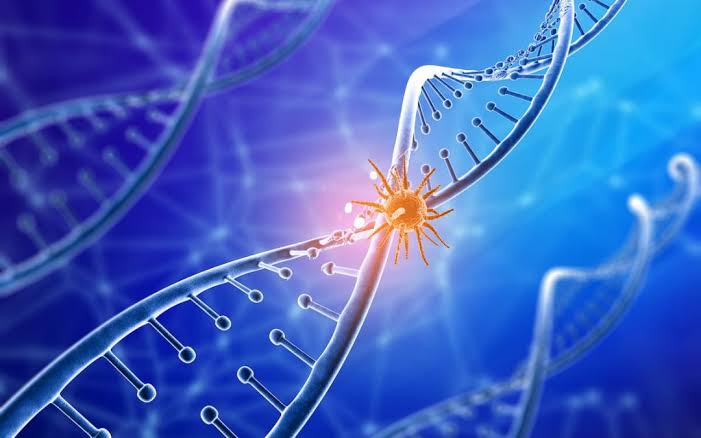
Numerous facets of healthcare are investigating regenerative medicine. Potential uses in tissue damage, orthopedic diseases, wound healing, cardiovascular illness, neurological disorders, and other medical domains are being investigated by researchers.
Applications differ significantly in the quality of the evidence. While some regenerative technologies are still in the experimental stage and being assessed through clinical research, others are currently utilized in well-established medical therapies.
Potential Benefits
Regenerative approaches could eventually help researchers:
- Support natural tissue repair
- Develop replacement tissues
- Improve certain medical implants
- Reduce damage caused by disease or injury
- Create new approaches to difficult-to-treat conditions
- Improve understanding of how human tissues heal
- Research is still ongoing in many areas.
Is Regenerative Medicine Safe?
The particular treatment, procedure, and medical condition all affect safety. An experimental treatment provided by an uncontrolled clinic differs greatly from a therapy that has undergone extensive testing and approval.
When thinking about regenerative medicine, people should find out if the treatment has been scientifically investigated, if it is allowed or approved for the intended purpose, what hazards are understood, and whether there is clinical evidence to support its efficacy.
Providers who guarantee cures, assert that a treatment is effective for nearly every illness, or dissuade patients from consulting licensed medical professionals should be avoided.
The Future of Regenerative Medicine
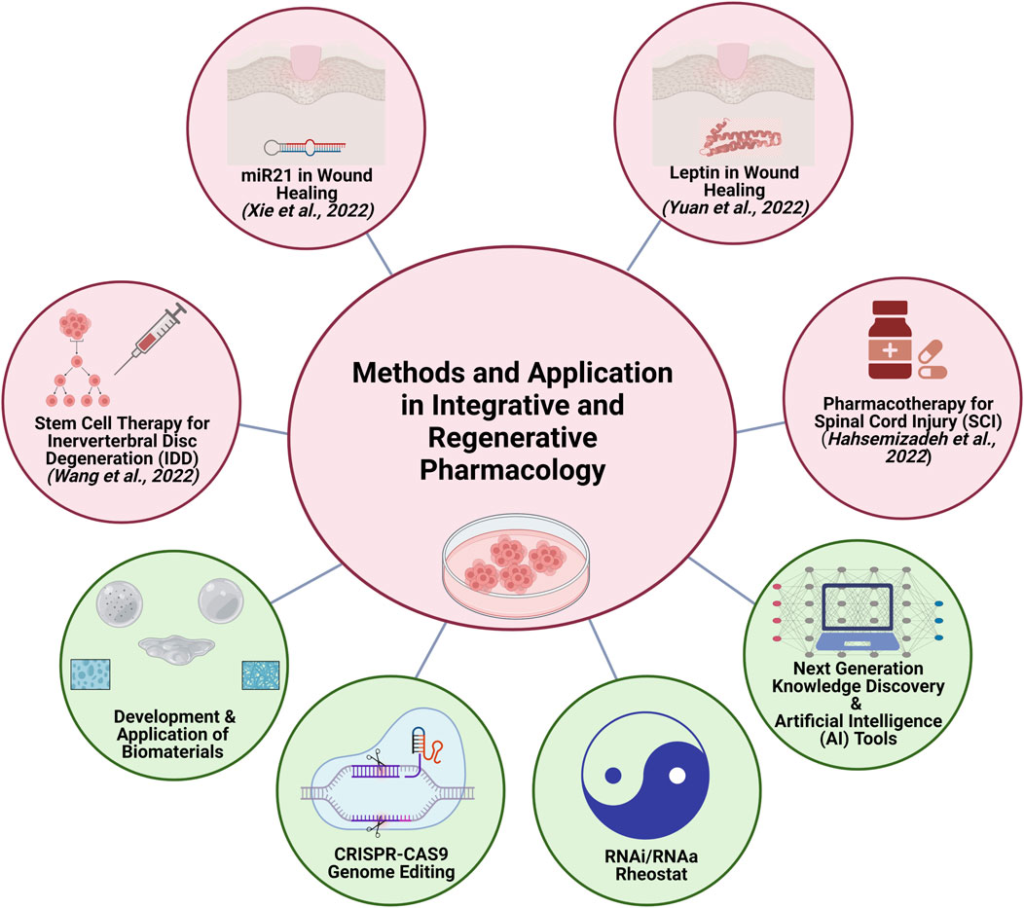
As researchers gain more knowledge about cells, genetics, tissue repair, and the body’s healing processes, regenerative medicine will continue to advance. Researchers may be able to produce more complex tissues and more specialized treatments because of developments in biotechnology.
Important issues such safety, immunological responses, long-term efficacy, manufacturing, cost, and ethical considerations must be addressed concurrently by researchers.Even while the future seems bright, prudent research and solid clinical data will always be crucial.
Conclusion
Understanding and promoting the body’s capacity to mend damaged tissues and restore function is the goal of the fascinating topic of regenerative medicine. It covers fields including biomaterials, tissue engineering, and stem-cell research.
The most crucial thing for novices to keep in mind is that regenerative medicine is not a single treatment. It is a vast field that includes both experimental methods and well-established medical applications.
Regenerative medicine may provide new avenues for treating illnesses and injuries as research progresses. For the time being, anyone thinking about regeneration therapy should speak with a trained healthcare provider about the possibilities, advantages, dangers, and existing data.
Health
Why a Diagnostic Image Is Important: How Diagnostic Imaging Aids in the Early Identification of Illness and Injury
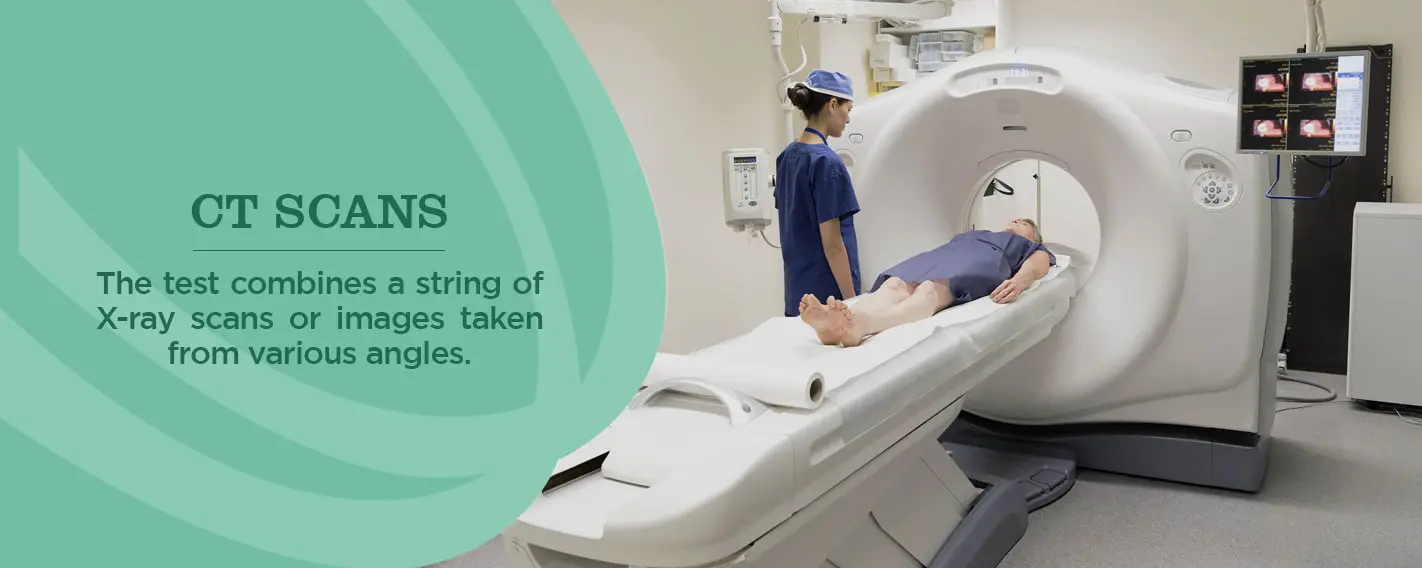
Without requiring extensive surgery, a diagnostic image can provide medical professionals with an early view at what is going on inside the body. For this reason, diagnostic imaging has grown to be a crucial component of contemporary healthcare. An imaging exam can assist identify the potential source of pain, edema, breathing difficulties, disorientation, or injury symptoms. Before the issue worsens, it can identify internal bleeding, a lung infection, a broken bone, a blocked blood vessel, or abnormalities in an organ. Early imaging frequently results in early therapy, and early treatment frequently improves a patient’s prognosis.
Because many diseases do not first exhibit evident symptoms, this is even more important. A person may experience mild discomfort, feel exhausted, or observe nothing out of the ordinary. Nevertheless, an issue could arise in the brain, belly, joints, soft tissue, or chest. Doctors can utilize actual images of the body to determine what should happen next rather than speculating. This can make patients feel more knowledgeable about their own health, cut down on delays, and increase accuracy.
What a diagonal Image Really Means
Healthcare teams can use these pictures to look at interior structures like blood flow, muscles, organs, and bones. The main principle is straightforward: imaging enables physicians to observe more than a conventional examination can. Inflammation, tears, masses, fluid accumulation, constriction, and other undetectable changes can all be verified by a scan. It is equally significant because it can help rule out dangerous conditions. One of the biggest advantages of imaging for many patients is that it shifts the focus from uncertainty to solutions.
How Imaging Supports Early Detection
The function of a diagonal Image in early detection is one of the main reasons it matters. Early detection makes many medical disorders easier to treat. Fractures, tumors, strokes, pneumonia, internal bleeding, injury to the spine, and joint disorders fall under this category. Imaging can help physicians act quickly in emergency situations. A brain scan can reveal whether bleeding or obstruction is the source of stroke symptoms. Before it becomes life-threatening, an abdomen scan may identify appendicitis or another serious issue.
Early detection is crucial outside of emergency situations as well. It is also important for follow-up and normal treatment. Imaging may be necessary to look for structural changes in a patient who experiences frequent headaches. Long-term back discomfort may require a scan to examine the spine, nerves, or disks. A person may require chest or abdominal imaging to examine deeper if they have a persistent cough, unexplained weight loss, or odd test findings.
Common Types of Diagnostic Imaging
Patients may feel less overwhelmed if they are aware that each test has a unique strength. An X-ray is quick and frequently used for dental problems, chest problems, and fractured bones. . CT scans are helpful for trauma, internal injuries, and various organ diseases because they combine several pictures to produce detailed views. MRI creates detailed images, particularly of the brain, nerves, joints, and muscles, using radio waves and magnets.
An MRI may be necessary for a suspected ligament tear, although a simple X-ray may be sufficient for a twisted ankle. Depending on the circumstances, a person experiencing severe abdominal pain may initially undergo a CT scan or ultrasound. The objective is to order the appropriate test at the appropriate time, not more testing than is necessary. Imaging is extremely useful in practical care because of this.
What Diagnostic Imaging Can Help Find
From minor concerns to major illnesses, a diagonal Image can assist in the detection of a very broad spectrum of medical disorders. Fractures, joint damage, tears in the muscles, kidney stones, gallstones, blood clots, tumors, lung alterations, infections, swelling, and fluid accumulation can all be seen. Additionally, it might be useful in spotting symptoms of long-term illnesses such arthritis, deterioration of the spine, liver disease, and abnormalities relating to the heart. Imaging frequently becomes a crucial step in comprehending symptoms that cannot be explained by ordinary observation alone in children, adults, and the elderly.
The following are some typical fields where imaging is crucial:
- discovering fractured bones following sports injuries, falls, or auto accidents
- examining the lungs for fluid, infection, or other issues related to the chest
- checking the brain following a head injury, seizure, or stroke symptoms
- searching for organ alterations in the liver, kidneys, gallbladder, or pancreatic
- tracking healing, treatment progress, or changes in a known ailment; researching joints, muscles, tendons, and ligaments when pain does not improve
This variety of applications explains why diagnostic scans are increasingly used in both planned care and emergency treatment. They make far better informed medical decisions, but they do not take the position of doctors.
Why Faster Answers Can Change Outcomes
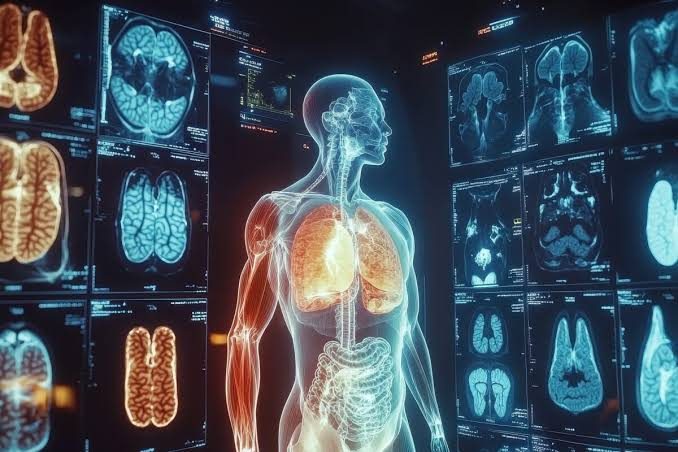
Time is of the essence when symptoms are severe. The entire course of treatment can be altered by a quick and precise scan. Imaging can assist swiftly determine the next course of action and rule out some potentially harmful causes of chest pain.
A scan may help evaluate whether surgery is necessary if a youngster is experiencing severe abdominal pain. Imaging may still show hidden injuries if an elderly person falls and initially appears unharmed. Faster responses can avoid complications and lower the likelihood of treatment delays in each situation.
Faster responses can significantly improve quality of life even outside of urgent care. Many patients struggle for weeks or months to figure out why they are experiencing pain, weakness, edema, or other inexplicable symptoms. Treatment can become more focused if the cause has been identified via a diagonal Image.
This could entail pharmaceutical adjustments based on the results of the scan, surgery in place of recurrent temporary treatment, or physical therapy in place of rest alone. Imaging is useful for more than just identifying issues. It frequently facilitates a quicker route to the appropriate care plan.
The Role of Imaging in Disease Detection
Additionally, diagnostic imaging is essential for identifying illness before it progresses. Numerous diseases alter the size, shape, or appearance of tissue and organs. A scan may reveal an inflammation, growth, obstruction, or structural alteration that clarifies symptoms. Imaging can also help with screening and monitoring in some situations.
One of imaging’s subtle advantages is its capacity to track change. It goes beyond simply identifying an issue once. It also involves determining if the issue is stable, getting better, or getting worse. Repeat scans may be necessary for a patient undergoing therapy in order to track their improvement. After symptoms alter, another person with chronic pain can require imaging.
What Patients Should Expect During a Scan
Before an imaging exam, a lot of people experience anxiety, particularly if they have never had one before. Most of the time, the procedure is straightforward and meticulously overseen by qualified personnel. While some scans are completed in a matter of minutes, some require more time. In order for the equipment to take clear pictures, a patient may need to lie motionless, hold their breath for a brief period of time, or shift positions. A gel is applied to the skin for ultrasonography.
Test-specific preparation varies. While some scans don’t require fasting, some do. Before an MRI, metal objects might need to be removed. Pregnancy, allergies, kidney problems, implants, and nervousness about enclosed places should all be disclosed to staff by patients.
Understanding Benefits and Limits
Although powerful, a diagnostic image is not flawless. It is simply one aspect of the complete medical picture, but it provides clinicians with useful information. Blood work, medical history, symptoms, exam results, and follow-up care are still important. Occasionally, a scan might pinpoint the root of an issue. In other cases, it reduces the options without offering a definitive solution on its own. In the medical field, such is typical.
It’s also critical to realize that not everyone experiencing pain or disease needs immediate imaging. Physicians balance the potential benefit against the expense, time, and any potential risks associated with the test, such radiation exposure. MRI and ultrasound don’t use radiation, while CT and X-rays do.
Why Skilled Reading Matters
The procedure involves more than just the image itself. Expert interpretation is the other component. Examining the pictures, radiologists and other qualified experts search for patterns that correspond to illness or injury. Little things can have a big impact. The diagnosis may be altered by a small fracture line, a light shadow in the lung, or mild tissue edema.
According to a report, there may be slight alterations, but the context will determine whether or not those alterations account for symptoms. Because of this, some outcomes seem more complicated than they actually are. While some people may have “degenerative changes” on a scan but just modest discomfort, others may have a minor apparent problem that is causing significant pain. When imaging is carefully and patient-centeredly interpreted, it is most beneficial.
Final Thoughts
A diagnostic image is important because it allows medical professionals to see what the body cannot readily display from the outside. It can promote early treatment, identify injuries, confirm illness, and rule out harmful illnesses. Imaging frequently clarifies a complex condition in both routine and urgent care. For patients of all ages, that can lessen anxiety, enhance decision-making, and produce better results.
Diagnostic imaging is useful for more than just creating images. Its usefulness lies in enabling people to receive care that more closely matches their needs and answers more quickly. The correct scan can have a significant impact whether the issue is a fractured bone, excruciating pain, difficulty breathing, or indications of illness.

Medicare Advantage can be difficult to choose health insurance, but you don’t have to hurry. Examine your existing plan, your health needs, and your anticipated expenditures before Open Enrollment for 2027. Medicare Advantage plans for 2027 might initially appear identical, but minor adjustments could have an impact on your budget, doctors, prescription drugs, and benefits.
Changes typically begin on January 1 of the following year, and Medicare Open Enrollment runs from October 15 to December 7. This is the crucial moment to assess your options if you want coverage for 2027.
Start With Your Annual Notice of Change
Examine your Annual Notice of Change if you currently have a Medicare Advantage plan. It describes how expenses, coverage, perks, and service areas will change in the upcoming year.
Please do not disregard this communication. Your premium can fluctuate. Copays could increase. A medication might advance to a new tier. A hospital or physician may withdraw from the network. Your strategy might not be the best match next year, even if you enjoyed it this year.
Check Your Doctors and Hospitals
This implies that in order to save money, you might have to visit specific physicians, clinics, or hospitals.
Prior to sticking with a plan or changing it, find out:
- Does the network still include my primary care physician?
- Are my experts covered?
- Does this include the hospital of my choice?
What happens if I spend a portion of the year traveling or residing in another state?
Review Prescription Drug Coverage
One of the biggest surprises can be the expense of prescription drugs. Make a current list of all the drugs you take, together with the dosage and frequency of use.
Next, contrast the medication coverage of each plan. Find out which pharmacies have the greatest prices, what tier your medications are on, and whether they are covered. When logged in, Medicare’s Plan Finder allows users to save medications and pharmacies and compare health and prescription plans.
If you use long-term prescriptions, check your mail-order alternatives as well.
Look Beyond Extra Benefits

Extras like dental, vision, hearing, fitness, transportation, and over-the-counter allowances are offered by many Medicare Advantage plans. Although these advantages may be helpful, they shouldn’t be the sole factor in your plan selection.
Find out how the benefit operates. For instance, does dental care aid with crowns and dentures, or is it limited to cleanings? Is there a cap per year? Do you have to utilize specific providers?
Strong medical and pharmaceutical coverage should take precedence over additional benefits.
Compare Total Costs, Not Just Premiums
Over the course of the year, a plan with a $0 premium may nonetheless cost more. View the complete image:
Monthly premium
Copays for primary care
Expert copays
Costs of prescription drugs
Hospital expenses
Maximum amount paid out of pocket
Limitations in dentistry or vision
The cheapest plan isn’t necessarily the best one. It is the strategy that provides you with appropriate care at a price you can afford.
Final Thoughts
Examine your medical requirements, physicians, prescription drugs, and overall expenses before Open Enrollment. Do not assume that the plan from the previous year is still the best option; instead, compare plans side by side. You can prevent worry, unexpected expenditures, and coverage issues in 2027 by carefully reviewing now.
-

 Crypto2 months ago
Crypto Trading May Be Algorithmic in the Future, but Not Completely Autonomous
-

 Fashion3 months ago
Here are the Top 8 Luxury Clothing Brands in the UK for 2026?
-

 Technology & AI4 months ago
Depomin82: Rethinking Digital Infrastructure for a Smarter Connected Future
-

 Fashion3 months ago
How to Build a Capsule Wardrobe on a UK Budget?
-

 Business4 months ago
The Hidden Expenses in eCommerce Accounting: The Reasons Most UK Online Retailers Calculate Profit incorrectly
-

 Celebrity3 months ago
Liam Costner: Life, Career, and Family Beyond Hollywood
-

 Blog4 months ago
Fanisco: The Quiet Architecture Behind Tomorrow’s Digital Connections
-

 Blog4 months ago
mmsbre: Reimagining Digital Connectivity in a Hyper-Intelligent World