
UK News
Colors for the iPhone 18 Pro Max: A Comprehensive Guide to Every Available Shade


Why the Colors of the iPhone 18 Pro Max Matter in 2026?
The resale value of your phone, the visibility of scratches and smudges, how professional your device appears on camera, and how easily it pairs with cases and accessories are all factors to consider when selecting a phone case. This guide focuses on the 18 Pro Max colors, the rumored new “hero” and accent finishes, and useful tips to help you choose a look you’ll love for years to come.
18 Pro Max Colors: The 2026 Rumor Snapshot
Cosmic Orange and classic Black, which combine contemporary pop with timeless neutrals, are said to be being phased out by Apple in favor of these more refined tones, according to reports. This color scheme is consistent with Apple’s recent trend toward metals with a low gloss and glass with subtle tints, although final colors may change prior to launch.
What Each Rumored Color Says
Dark Cherry is a rich, mature, and distinct premium variety. It gives off personality without being flashy, which is great for people who like depth more than brightness. Light Blue is light and modern. a simple option that looks good in a variety of lighting conditions and is suitable for minimalists and creators who like color. Dark Gray is the standard neutral color. conceals small abrasions and pairs well with any case; the choice of professionals. Silver: Clear and easy on the camera. It looks timeless in hands, on desks, and in flat-lay shots because it reflects light evenly.
Finish and Materials: Why the Same Color Can Look Different
Finishing techniques alter how the eye perceives a color, even when two phones share the same hue.
Brushed vs. Polished Titanium
Side rails made of brushed titanium disperse reflections, giving colors a satiny, softer appearance that reduces fingerprints. Camera-ring accents and polished chamfers catch light, making lighter shades pop and darker shades feel more dramatic.
Ceramic Shield and Back-Glass Tint
Darker hues (Dark Gray, Dark Cherry) are subtly enhanced by Apple’s nano-texture and coating stack, while lighter hues (Light Blue, Silver) appear more airy. Smudges are reduced by oleophobic layers on darker finishes, with Silver and Light Blue showing oil more readily in bright light.
Practical Considerations for 18 Pro Max Colors
Scratch and Smudge Visibility
The most forgiving colors are Dark Cherry and Dark Gray, which conceal lint and small cuts. Lowest smudge visibility: Metal accents in the Natural and Brushed Dark Gray styles typically mask prints best. Most photogenic, but needs to be cleaned: Silver and Light Blue are beautiful, but they show fingerprints more quickly.
Case Pairing Ideas
Clear and Frosted: Without gloss, highlight the depth of Dark Cherry or the airiness of Light Blue. Vegan leather and leather: Walnut, espresso, or navy make Silver look better, while charcoal or burgundy go well with Dark Gray. Sport and Silicone: In contrast to Dark Gray, choose a high-contrast citrus and teal or a tone-on-tone blue.
18 Pro Max Colors and Your Lifestyle
For a Timeless, Professional Look
Select Dark Gray. It looks long-lasting and durable when worn in person, and it goes well with formal attire and accessories.
For a Confident, Premium Statement
Black Cherry A sophisticated pop that has more of an executive feel than a playful one. This is perfect if you want something different but still works in business settings.
Which 18 Pro Max colors have the highest resale value?
In the past, neutrals have won. In terms of broad market appeal, Dark Gray and Silver are likely to be the safest bets over time, with Dark Cherry initially attracting a large number of buyers who value style. Mid-cycle shades that are exclusive or only available during certain times of the year can cause a short-term spike in demand, but neutral finishes typically age the most gracefully.
Photography and Perceived Color
Camera Bump Accents
In photographs, contrasting rings around the lenses can alter how colors are perceived—darker bodies emphasize the camera array, whereas lighter bodies make the hardware on the lenses stand out. Dark Cherry or Dark Gray are great choices if you like a minimalist appearance.
Lighting Conditions
Daylight: Soft, indirect light makes colors look their best. Warm indoors: Dark Cherry deepens nicely, while Silver and Light Blue can take on a slight amber hue. Night Scenes: The reflections of the screen and streetlights intensify the highlights of Light Blue and give Dark Cherry more depth.
Maintenance Tips by Color
Dark Gray: A weekly microfiber wipe and a matte case will keep the stealthy look going. Silver: To control smudges, use a gentle screen-safe cleaner; frosted clear cases strike a balance between clarity and grip. Light Blue: Screen protectors that block reflections reduce glare and photo color shift. Dark Cherry: A slender, frosted case maintains depth while minimizing fingerprints on polished accents.
Buying Advice: Match Color to Upgrade Habits
Try Dark Cherry or Light Blue for a novelty upgrade that doesn’t require a long-term commitment. For timeless appeal and steady resale, choose Silver or Dark Gray. Go caseless: Dark Cherry is second best with brushed rails, while Dark Gray is best for everyday wear. Heavy on the accessories: The most adaptable base for bands, straps, and colorful cases is silver.
Final Thought: Pick a Color That Goes With Your Day
The 18 pro max colors that are rumored to be released in 2026 feature a sophisticated mix of contemporary accents and timeless neutrals. You will end up with a device that looks great longer, photographs beautifully, and fits your style without compromising if you align your choice with how you use your phone, from the boardroom to weekend shoots.

The UK tax system entered a new phase in 2026, with changes affecting employees, self-employed workers, investors and businesses. While some major tax rates remain unchanged, frozen allowances, UK news administrative measures and planned reforms are likely to influence how people manage their finances during the 2026–27 tax year.
The current UK tax year runs from 6 April 2026 to 5 April 2027.
Income UK Tax Allowances Remain Frozen
One of the most important points for taxpayers in 2026 is that the standard Personal Allowance remains £12,570. This is the amount most individuals can earn before Income Tax becomes payable.
The basic-rate band also remains unchanged. For taxpayers in England, Wales and Northern Ireland, the basic rate is 20% on taxable income up to £37,700, while the higher rate is 40% on income above that level within the applicable band.
The Personal Allowance is reduced for people with adjusted net income above £100,000 and can fall to zero once income reaches £125,140.
UK Tax National Insurance Thresholds
National Insurance thresholds continue to be closely linked with the Income Tax system. The government has previously confirmed that key thresholds will remain fixed through the relevant tax years, including the £12,570 Personal Allowance and the £50,270 higher-rate threshold.
For employees, this means that the amount of salary subject to Income Tax and National Insurance continues to be an important consideration when assessing take-home pay.
Dividend UK Tax and Savings
The Dividend Allowance remains £500 for the 2026–27 tax year. Once dividends exceed the allowance, the applicable dividend tax rate depends on the taxpayer’s Income Tax band.
This makes tax planning particularly relevant for company directors, shareholders and people receiving investment income.
UK Tax Capital Gains Tax Remains an Important Consideration
People selling investments, property or other taxable assets may need to consider Capital Gains Tax. The tax treatment can vary depending on the asset, the individual’s circumstances and the type of relief available.
The government has also introduced further measures and consultations around Capital Gains Tax as part of its wider 2026 tax programme. These changes show that the tax system is continuing to evolve rather than simply relying on annual rate increases.
New Tax Administration Measures
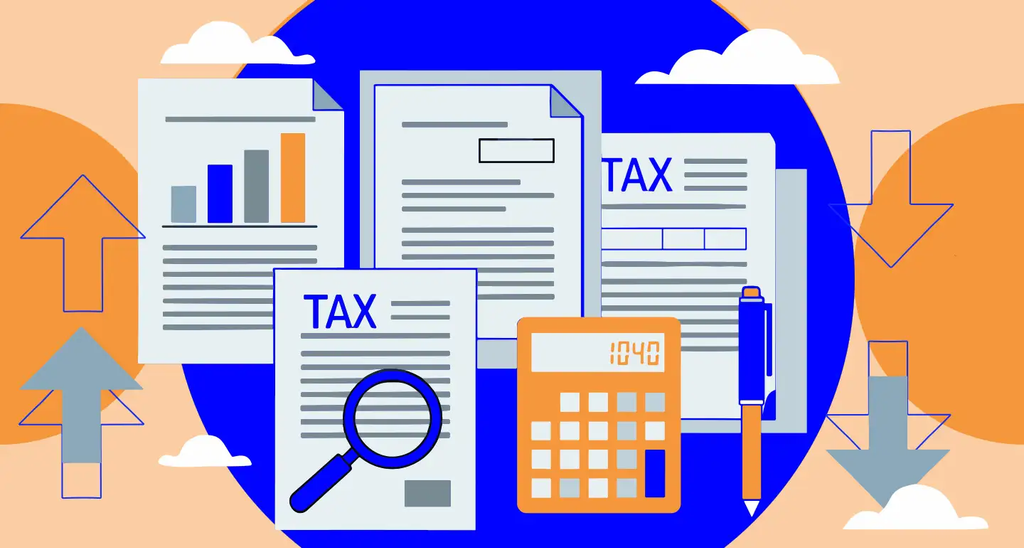
The 2026 tax update places significant emphasis on simplification, modernisation and fairness.
The government has announced measures covering areas such as online marketplace compliance, tax debt collection and the timing of Income Tax Self Assessment payments. Some of these measures are still subject to consultation, meaning their final details may change.
This is particularly relevant to self-employed people and small businesses, which may need to pay closer attention to reporting requirements and payment schedules.
Businesses Face a Changing UK Tax Environment
Businesses are also being affected by reforms designed to modernise the tax system. HMRC’s 2026 tax programme includes proposals intended to reduce administrative burdens while improving compliance.
The government has also published draft legislation for the Finance Bill 2026–27. However, the final content of future legislation can change before Parliament completes the legislative process.
For companies and business owners, keeping financial records up to date and monitoring official HMRC announcements is therefore increasingly important.
What Do the 2026 UK Tax Changes Mean for You?
For many taxpayers, the biggest issue is not a dramatic change in the headline Income Tax rates. Instead, frozen allowances and thresholds can gradually increase the amount of income exposed to tax as wages and prices change.
Employees should review their tax codes and Personal Allowance, while self-employed workers and investors should keep accurate records of income, expenses and taxable gains.
HMRC provides an online service where individuals can check their tax code, Personal Allowance and estimated Income Tax for the current year.
Final Thoughts
The UK tax changes in 2026 are a mixture of unchanged rates, frozen thresholds and wider reforms to the way the tax system operates. For individuals, understanding Personal Allowance, Income Tax bands, National Insurance and investment income remains essential.
For businesses and self-employed workers, the focus should also be on compliance and upcoming changes to tax administration.
As the government continues to consult on new measures, taxpayers should rely on the latest HMRC guidance before making important financial decisions. The 2026 tax year is therefore less about one single major tax increase and more about a gradually changing tax landscape.
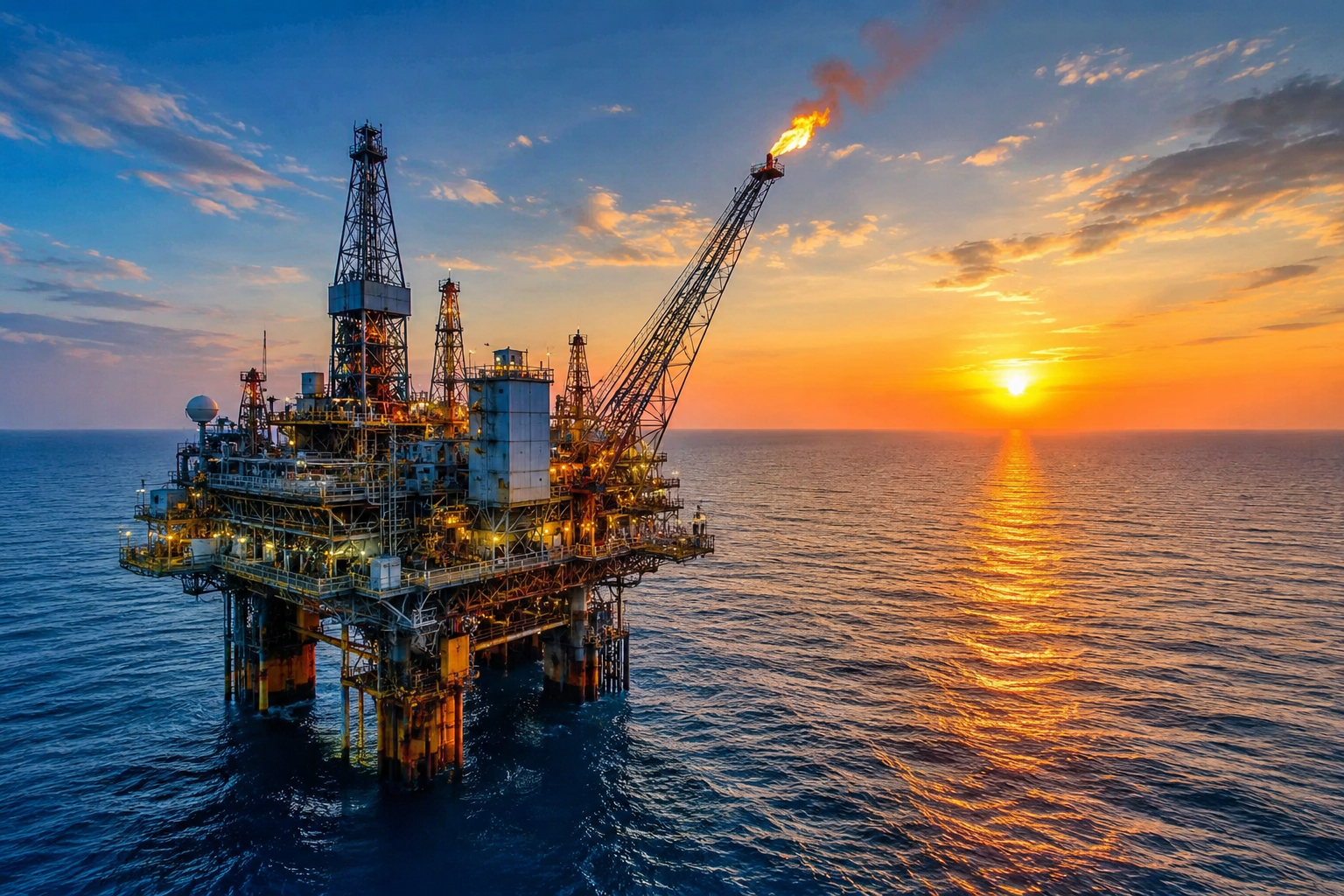
The North Sea oil and gas industry has played an important role in the United Kingdom’s economy and energy system for decades. From offshore platforms to engineering companies, ports and supply chains, the sector has supported thousands of jobs and contributed to the country’s energy security. However, in 2026, the North Sea is entering a new chapter as the UK balances energy security, existing oil and gas production and the transition towards cleaner energy.
The North Sea is no longer viewed only as an oil and gas region. It is increasingly becoming a major part of the UK’s wider offshore energy future, including offshore wind, carbon capture and storage and other emerging technologies.
Why Is the North Sea Oil Important to the UK?
Oil and gas have historically supplied a significant part of the UK’s energy needs. The industry has also created employment and economic activity in Scotland and other parts of the UK.
Aberdeen, often described as a major centre of the UK’s offshore energy industry, has developed a large network of engineers, technicians, service companies and energy professionals. The skills developed through oil and gas can also be valuable in emerging clean-energy industries.
Industry representatives continue to argue that domestic production can contribute to energy security and support jobs. Offshore Energies UK estimates that the oil and gas sector supports around 115,000 jobs across the UK.
The North Sea Oil and Gas Industry Is Changing
One of the biggest changes facing the industry is the natural decline in North Sea production. UK government information states that North Sea oil and gas production declined by around 75% between 1999 and 2024.
At the same time, the UK government has adopted a policy focused on managing existing oil and gas fields while developing clean-energy industries. Its North Sea Future Plan aims to support existing fields through their lifespan while moving the region towards a broader offshore clean-energy economy.
This means the future of the North Sea is not simply about stopping one industry and starting another. Instead, the region is going through a gradual energy transition.
What Is Happening to North Sea Oil Jobs?
Employment is an important part of the debate surrounding the future of the industry. Many workers have highly specialised offshore skills, including engineering, project management, maintenance, safety and technical operations.
The UK and Scottish governments are therefore investing in programmes designed to help oil and gas workers move into growing industries. In June 2026, the government announced an additional £6 million investment to expand support for more than 1,000 oil and gas workers in Scotland. The programme is designed to help workers access opportunities in areas such as clean energy and advanced manufacturing.
This approach could allow experienced North Sea workers to transfer their knowledge into new areas rather than leaving the energy sector completely.
North Sea Oil Offshore Wind and the New Energy Economy
Offshore wind is one of the most important parts of the UK’s North Sea energy strategy. The same waters and many of the same engineering capabilities used by the oil and gas industry can also support offshore renewable projects.
The UK government has highlighted major offshore wind opportunities in the North Sea. In January 2026, it noted that projects such as Berwick Bank and Pentland floating offshore wind could support thousands of jobs in Scotland.
This creates an opportunity for the North Sea to remain an important energy region even as the role of fossil fuels gradually changes.
Carbon Capture and Other Technologies
Another part of the North Sea’s future is carbon capture and storage, commonly known as CCS. The region has geological characteristics and existing offshore infrastructure that can potentially support carbon-storage projects.
Decommissioning is also becoming increasingly important. As older oil and gas fields reach the end of their productive lives, companies need specialists to safely remove or manage offshore infrastructure.
Recent UK projects demonstrate that decommissioning is already becoming an active part of the North Sea energy economy.
What Does the Future Hold?
The future of North Sea oil and gas in the UK is likely to be more diverse than in the past. Oil and gas will continue to have a role during the transition, while investment increasingly moves towards offshore wind, carbon capture, decommissioning and other clean-energy technologies.
The government established the North Sea Future Board in 2026 to bring together government, industry, trade unions and regional organisations. Its purpose includes supporting investment, jobs and the wider energy transition across the North Sea.
For workers and businesses, this transition creates both challenges and opportunities. Traditional oil and gas expertise remains valuable, but workers may increasingly need additional skills for renewable energy and other technologies.
Conclusion
The North Sea oil and gas industry in the UK is changing, but its story is far from over. Existing oil and gas production, energy security, decommissioning and new clean-energy industries are becoming connected parts of the region’s future.
The biggest opportunity may be to use the North Sea’s existing workforce, infrastructure and technical expertise to build a broader offshore energy industry.
If the transition is managed effectively, the North Sea could remain an important source of jobs, investment and energy for the UK—while gradually becoming a cleaner and more diverse energy hub.
FAQ
Will the UK open up North Sea Oil?
The UK government plans to continue managing existing North Sea oil and gas fields throughout their lifespan, but it does not plan to issue new licences for exploring new fields.
What is the projected future of the oil and gas industry in 2026?
Oil and gas will continue to play a role in the UK energy mix, while the industry gradually shifts towards offshore wind, carbon capture, hydrogen and decommissioning.
What is the future of gas in the UK?
Gas is expected to remain part of the UK’s energy system during the transition, while gas consumption and dependence on fossil fuels are expected to decline as clean energy expands.
What is the future of the oil and gas industry?
The industry is likely to become smaller over time in the North Sea, but its workers, skills and infrastructure can support growing sectors such as offshore wind, carbon capture and hydrogen.

Water restrictions have become an important issue across the UK in 2026 as prolonged dry weather, high temperatures and falling water levels put pressure on supplies. While restrictions are not automatically the same across the whole country, several areas are facing temporary measures designed to reduce unnecessary water use.
The situation is particularly serious in England. By the middle of August 2026, the Environment Agency estimated that 71% of England’s land area was experiencing drought conditions. England had also received only 6% of its long-term average rainfall during August so far.
Why Are Water Restrictions Being Introduced in 2026?
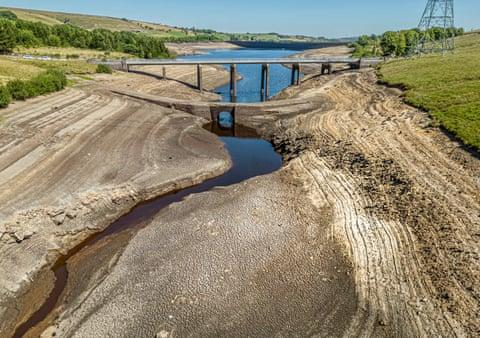
The main reason behind the current restrictions is the unusually dry weather.
England had a very dry July, with only about 10% of its long-term average rainfall for the month. The lack of rain has affected rivers, groundwater and reservoirs, while demand for water has remained high during periods of warm weather.
Reservoir storage has also fallen. The latest government assessment reported that storage across England had dropped to around 69%, approximately 11.6% below the long-term average for the time of year. Several reservoirs were described as exceptionally low.
Water companies have been taking steps to reduce demand as less precipitation is anticipated to quickly replenish supplies.
What Is a Hosepipe Ban?
A hosepipe ban is officially known as a Temporary Use Ban (TUB). It allows a water company to temporarily restrict certain uses of mains water when supplies are under pressure.
The specific regulations may differ between regions and water companies. Generally, restrictions can affect activities such as watering gardens with a hosepipe, washing cars, cleaning patios and filling swimming or paddling pools.
Households still have access to normal drinking water despite a hosepipe ban. Everyday activities such as drinking, cooking, washing and personal hygiene can generally continue as normal, subject to the specific rules announced by the relevant water company.
Which Areas Are Affected?
There is not a single hosepipe ban that applies to all UK households.
For instance, on August 8, 2026, South West Water imposed temporary restrictions on customers in Devon, Cornwall, parts of Dorset, Somerset, and the Isles of Scilly.ashing cars and patios, and filling swimming or paddling pools were among the restrictions. Wessex Water has also announced a hosepipe ban beginning on 18 August 2026 after prolonged dry weather and high demand.
This means people should check the latest announcement from their own water supplier rather than assuming that restrictions apply throughout the UK.
What Can You Still Do During a Water Restriction?
A hosepipe ban normally focuses on unnecessary or discretionary outdoor water use rather than essential household activities.
People can generally continue using water for essential purposes such as:
- Drinking water
- Cooking
- Showering and bathing
- Washing hands
- Washing clothes
- Cleaning dishes
- Other essential household hygiene
However, the precise exemptions depend on the water company’s rules. Some circumstances may qualify for exceptions, so residents should check the conditions applying to their postcode.
What Activities May Be Restricted?

Depending on the specific Temporary Use Ban, restrictions can include using a hosepipe to:
- Water a private garden
- Wash a car
- Clean patios and driveways
- Fill a swimming pool
- Fill a paddling pool
- Clean outdoor surfaces
- Water certain plants
- Clean boats or other private recreational equipment
The Environment Agency explains that Temporary Use Bans can cover a range of discretionary outdoor activities.
Could Water Restrictions Become More Serious?
The current situation does not mean the UK is heading immediately towards household water cuts or standpipes.
Drought management progresses through distinct phases.
Government drought planning describes measures ranging from increased water-saving communication to temporary restrictions and, at more serious levels, restrictions on non-essential business water use.
As a result, preserving supplies and reducing unnecessary water use are the immediate priorities for the majority of households.
How Can UK Households Save Water?
Even where there is no hosepipe ban, households can help reduce pressure on local supplies.
Simple steps include taking shorter showers, fixing leaking taps and toilets, running washing machines and dishwashers only when full, and avoiding unnecessary outdoor watering.
During hot weather, gardeners can also consider watering plants during cooler parts of the day and collecting rainwater when conditions allow.
Small reductions in household consumption can make a difference when millions of people are using water during prolonged dry weather.
What Does the 2026 Drought Mean for the UK?
The current situation demonstrates how quickly water resources can come under pressure after a prolonged period without significant rainfall.
Although water restrictions vary by location, the wider drought situation is affecting rivers, groundwater and reservoirs across England. The Environment Agency reported that no part of England was at Normal status in its latest assessment, while several regions had moved into drought status.
The situation could change if substantial rainfall arrives, but continued dry weather could lead to additional restrictions in some areas.
Final Thoughts
UK water restrictions in 2026 are primarily a response to an unusually prolonged period of dry weather and high water demand. The most visible measures are hosepipe bans and other Temporary Use Bans, but these restrictions are not identical across the country.
If you live in an affected area, the safest approach is to check your water company’s latest guidance and follow the specific restrictions applying to your postcode.
For everyone else, reducing unnecessary water use is still a sensible step. With England experiencing drought conditions across a large proportion of its land area, responsible water consumption could help protect supplies while authorities monitor rainfall, reservoirs, rivers and groundwater levels in the weeks ahead.
-

 UK News2 months ago
UK Wildfires 2026: Why Are Fires Spreading and Which Areas Are at Risk?
-

 Crypto2 months ago
Crypto Trading May Be Algorithmic in the Future, but Not Completely Autonomous
-

 Fashion4 months ago
Here are the Top 8 Luxury Clothing Brands in the UK for 2026?
-

 Technology & AI5 months ago
Depomin82: Rethinking Digital Infrastructure for a Smarter Connected Future
-

 Fashion4 months ago
How to Build a Capsule Wardrobe on a UK Budget?
-

 Business4 months ago
The Hidden Expenses in eCommerce Accounting: The Reasons Most UK Online Retailers Calculate Profit incorrectly
-

 Celebrity3 months ago
Liam Costner: Life, Career, and Family Beyond Hollywood
-

 Blog5 months ago
mmsbre: Reimagining Digital Connectivity in a Hyper-Intelligent World