
Technology & AI
AI Technology Predictions for 2027: 8 Trends That Could Change the Future

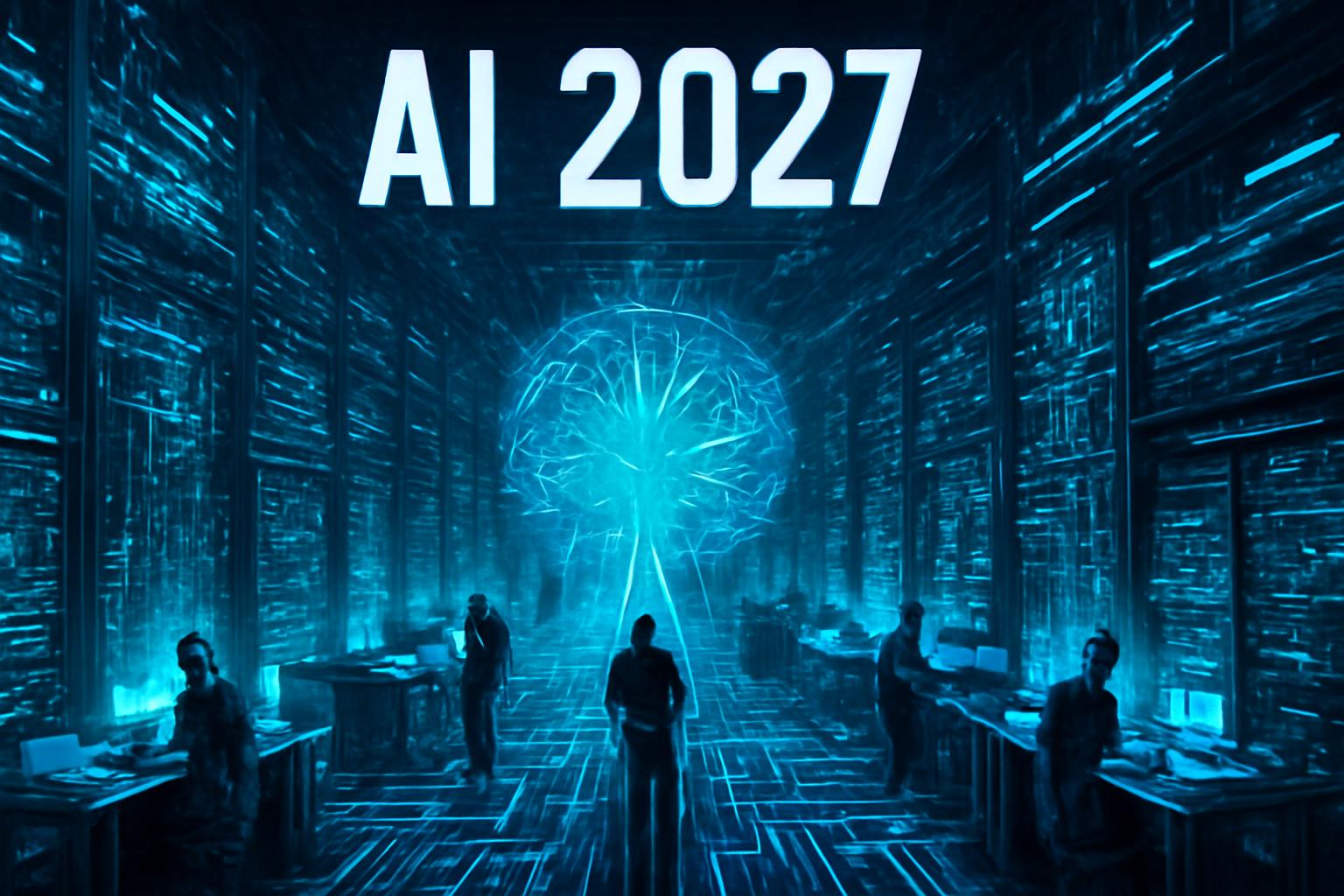
Artificial Intelligence is entering a new phase of development, and 2027 could become an important year for technological innovation. From intelligent AI agents and advanced robotics to automated business operations and smarter digital platforms, artificial intelligence is expected to influence how people work, communicate, and interact with technology.
Businesses are moving beyond experimenting with AI tools and focusing on practical solutions that deliver measurable results. Technology companies are also investing in more powerful AI infrastructure, specialized models, and automated systems.
As these developments continue, understanding future AI technology predictions can help businesses and individuals prepare for new opportunities. Here are eight important AI trends that could shape 2027.
1. AI Technology Agents Will Become More Independent
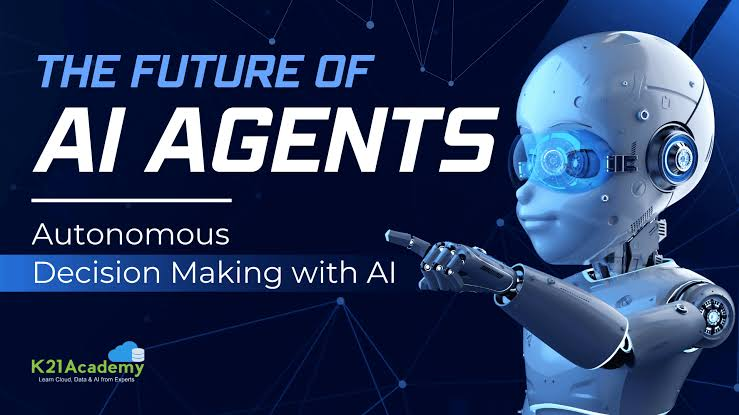
AI agents are expected to play a bigger role in everyday business operations in 2027. These intelligent systems can perform multiple tasks, interact with software, organize information, and support complicated workflows.
For example, businesses may use AI agents to manage customer inquiries, prepare reports, organize schedules, and assist with marketing campaigns.
Another important development will be collaboration between multiple AI agents. Different agents could handle separate responsibilities while working together toward a shared objective. However, human supervision and proper security controls will remain essential.
2. Generative AI Technology Will Create More Advanced Content
Generative AI is expected to become more capable of producing text, images, videos, audio, and other digital content. These improvements could create new opportunities for content creators, designers, marketers, and businesses.
In 2027, multimodal AI applications may become more common, allowing users to combine different types of information within a single platform.
For example, businesses could use AI to develop marketing videos, create product images, prepare presentations, and generate creative ideas. These capabilities may reduce production time and make content creation more accessible.
3. AI Technology Robotics Will Transform Industries
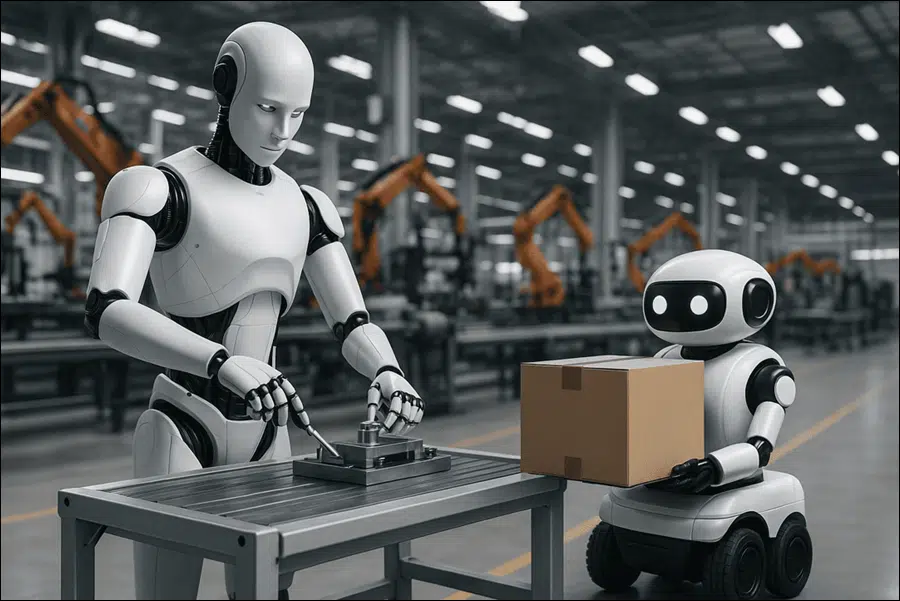
Robotics is another technology area that could experience significant growth in 2027. AI-powered robots are becoming more capable of understanding their surroundings, recognizing objects, and performing physical tasks.
Factories, warehouses, and logistics companies are potential areas for wider adoption because robots can support repetitive operations and improve workplace efficiency.
Humanoid robots will also attract attention, although widespread everyday use may take longer because of challenges involving safety, reliability, battery life, and cost.
The combination of artificial intelligence and robotics could gradually change how industries manage physical work.
4. Small AI Models Will Become More Popular
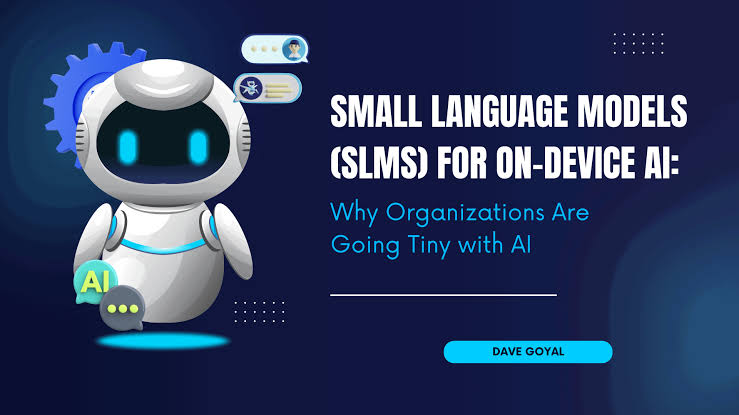
Although large AI models receive considerable attention, smaller and specialized models are expected to gain importance.
Small language models require fewer computing resources and can perform specific tasks efficiently. They may become particularly useful for mobile applications, business software, and devices that need fast responses.
Organizations may also prefer specialized AI models because they can provide more relevant results for particular industries.
This development could make AI technology more affordable and accessible to smaller businesses.
5. AI Cybersecurity Will Become a Major Priority
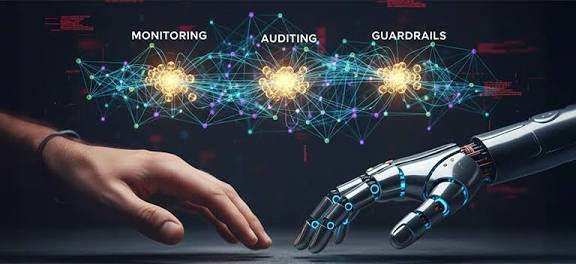
As organizations adopt more AI-powered applications, protecting digital information will become increasingly important.
AI-powered cybersecurity systems can monitor unusual activities, identify potential threats, and help security professionals respond to suspicious behavior.
However, artificial intelligence can also be misused by cybercriminals to create convincing phishing messages and automate certain attacks.
In 2027, businesses will need stronger security policies, better identity management, and continuous monitoring to protect their systems. Responsible AI adoption will be just as important as technological innovation.
6. AI Infrastructure Investment Will Increase
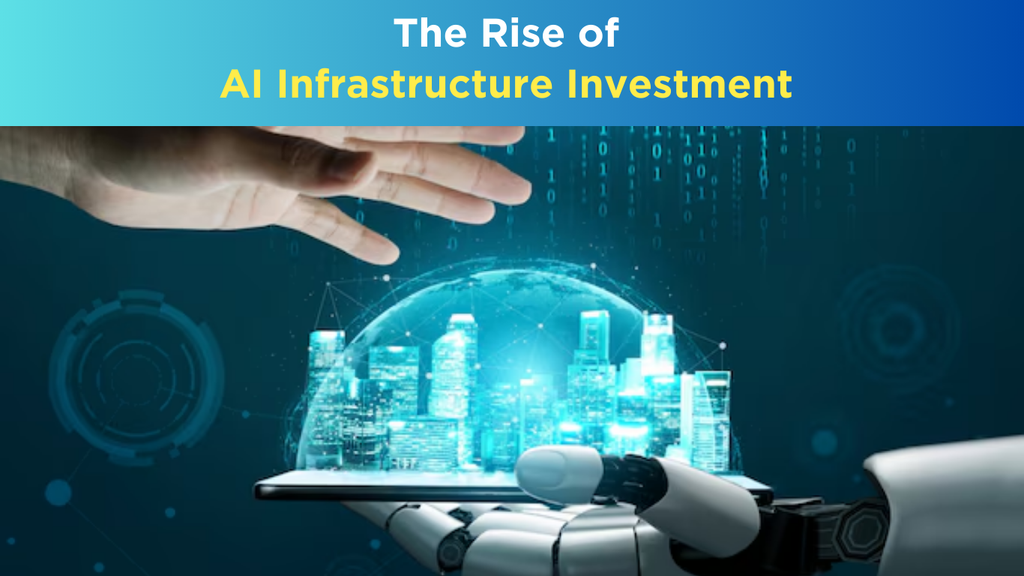
The growth of artificial intelligence will require powerful data centers, advanced computer chips, reliable networks, and significant electricity resources.
According to Gartner’s November 2026 forecast, worldwide AI spending could reach approximately $4 trillion in 2027, with AI infrastructure accounting for a major share of that investment.
This expansion highlights the growing importance of computing capacity in supporting advanced AI applications.
Technology companies will likely continue investing in data centers, specialized processors, and efficient infrastructure to support increasing demand.
7. AI Will Change Software Development
Software development could become more automated as AI coding assistants and autonomous development tools improve.
Developers are already exploring AI applications that can generate code, identify programming errors, explain technical problems, and support software testing.
In 2027, these tools may become more integrated into professional development workflows. This could help development teams build applications faster and spend more time solving complex problems.
Nevertheless, human developers will remain important for reviewing code, managing security, and ensuring software quality.
8. AI Governance Will Become Essential

As AI systems become more powerful, organizations will need better ways to manage their use. AI governance will become an important part of business technology strategies.
Companies will need to consider data privacy, transparency, fairness, security, and accountability when introducing intelligent systems.
Businesses may also establish clearer rules about which tasks AI can perform independently and which decisions require human approval.
Responsible AI practices can help organizations build trust and reduce the risks associated with automated decision-making.
What Should Businesses Expect From AI in 2027?
The future of artificial intelligence will involve more than introducing new software. Businesses will need to identify practical opportunities, invest in suitable technology, and train employees to work alongside intelligent systems.
Organizations that focus on real business value, reliable data, security, and responsible automation may benefit the most from emerging AI developments.
Smaller companies could also explore affordable AI applications to improve customer communication, marketing, and daily operations without requiring large technology budgets.
Final Thoughts
AI technology predictions for 2027 point toward a future shaped by intelligent agents, advanced robotics, generative AI, cybersecurity, and business automation.
Although not every prediction will become reality at the same speed, artificial intelligence is likely to remain an important driver of digital transformation.
For individuals and businesses, staying informed about these developments can help identify new opportunities and prepare for a technology-driven future. The organizations that combine innovation with responsible decision-making will be better positioned to benefit from the next generation of AI technology.
Artificial Intelligence (AI) is changing the way people work, communicate, and manage businesses. In November 2026, intelligent digital solutions, advanced automation, and smarter tools will continue to advance AI technology. From AI-powered business applications to cybersecurity and content creation, these innovations are becoming an important part of everyday life.
However Artificial intelligence is being used by businesses to boost productivity, cut costs, and make customer service better. At the same time, developers are introducing new AI-friendly and useful technologies. Understanding these developments can help individuals and organizations prepare for the future.
1. AI Technology Agents Are Changing Business Operations
AI agents are becoming an important part of modern business technology. Unlike traditional AI tools that mainly answer questions, AI agents can perform multiple tasks, interact with software, and help complete business processes.
Companies are exploring AI agents for customer support, data analysis, scheduling, and marketing activities. These systems can reduce repetitive work and allow employees to focus on more important responsibilities.
Businesses may increasingly use AI agents to manage complex workflows with appropriate human supervision as their capabilities increase.
2. Generative AI Technology Is Becoming More Advanced
Businesses, designers, marketers, content creators, and generative AI continue to create new opportunities. Based on user instructions, modern AI applications can produce written content, images, videos, and audio. These tools help professionals develop creative ideas, prepare marketing materials, and produce digital content more efficiently.
Multimodal AI is another important development. It enables AI systems to comprehend a variety of information, including audio, text, and images. This makes digital applications more flexible and useful for everyday tasks.
3. Small AI Technology Models Are Gaining Popularity
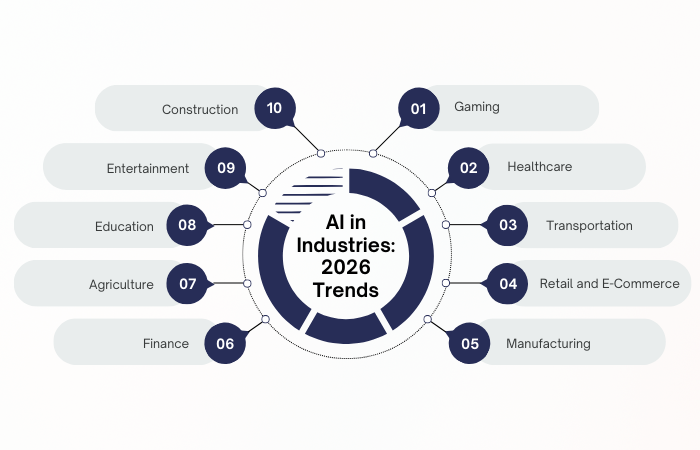
Large language models have received significant attention, but smaller AI models are also becoming increasingly important.
Small language models can perform specific tasks while requiring fewer computing resources. They are useful for mobile applications, business software, and devices that need faster processing.
Companies are exploring these models because they can reduce operating costs and offer more efficient solutions. Some can also operate locally, helping organizations maintain greater control over their information.
4. AI-Powered Cybersecurity Is Growing
Cybersecurity is becoming a major priority as businesses depend more heavily on digital platforms. Artificial intelligence is helping organizations identify suspicious activities and respond to potential security threats.
AI-powered systems can monitor network activity, detect unusual login attempts, and analyze possible security risks.
However, cybercriminals can also misuse AI to develop more sophisticated scams and phishing messages. Businesses must therefore combine advanced security tools with strong passwords, employee training, and regular software updates.
5. AI Is Transforming Software Development
Software development is becoming faster with the support of artificial intelligence. AI coding assistants can help developers write code, identify errors, explain programming concepts, and improve existing applications.
These tools can save time and reduce repetitive tasks, allowing developers to focus on more complex projects.
However, human review remains necessary. AI-generated code should always be tested to identify security problems, technical errors, and performance issues before being used in professional applications.
6. Personalized AI Experiences Are Expanding
Personalisation is another growing trend in artificial intelligence. Modern AI applications can provide recommendations and information based on individual interests and preferences.
For example, online shopping platforms can recommend products based on customer behavior, while educational applications can suggest learning materials according to student progress.
Businesses are using these capabilities to improve customer experiences and create more relevant digital services. However, protecting personal information and maintaining user privacy remain essential.
7. AI Automation Is Improving Productivity
Automation is helping organizations manage everyday activities more efficiently. AI-powered systems can assist with document processing, customer communication, reporting, and data management.
Small businesses can particularly benefit from automation because it helps reduce repetitive administrative work without requiring large teams.
AI automation can also support marketing departments by analyzing campaign performance, organizing customer information, and identifying opportunities for improvement.
8. Responsible AI and Transparency Are Becoming Important
As artificial intelligence becomes more influential, responsible AI development is receiving greater attention.
Organizations need to understand how AI systems process information, make recommendations, and handle sensitive data. Transparency, fairness, privacy, and accountability are important considerations when introducing AI solutions.
Businesses should also maintain human oversight, particularly when AI is involved in financial, legal, or other important decisions.
What Is the Future of AI Technology?
The future of artificial intelligence will likely involve more advanced AI agents, efficient language models, intelligent automation, and personalized digital services. These developments could transform industries such as education, healthcare, finance, retail, and technology.
However, successful AI adoption will require proper planning, reliable data, security measures, and employee training. Companies that combine AI capabilities with human expertise can make better use of emerging opportunities.
Final Thoughts
AI technology is continuing to transform the digital world in November 2026. From generative AI and intelligent automation to cybersecurity and software development, new innovations are creating opportunities across different industries.
As these technologies become more accessible, understanding the latest AI trends can help businesses and individuals make informed decisions. Keeping up with artificial intelligence developments will be important for anyone looking to remain competitive in an increasingly technology-driven world.
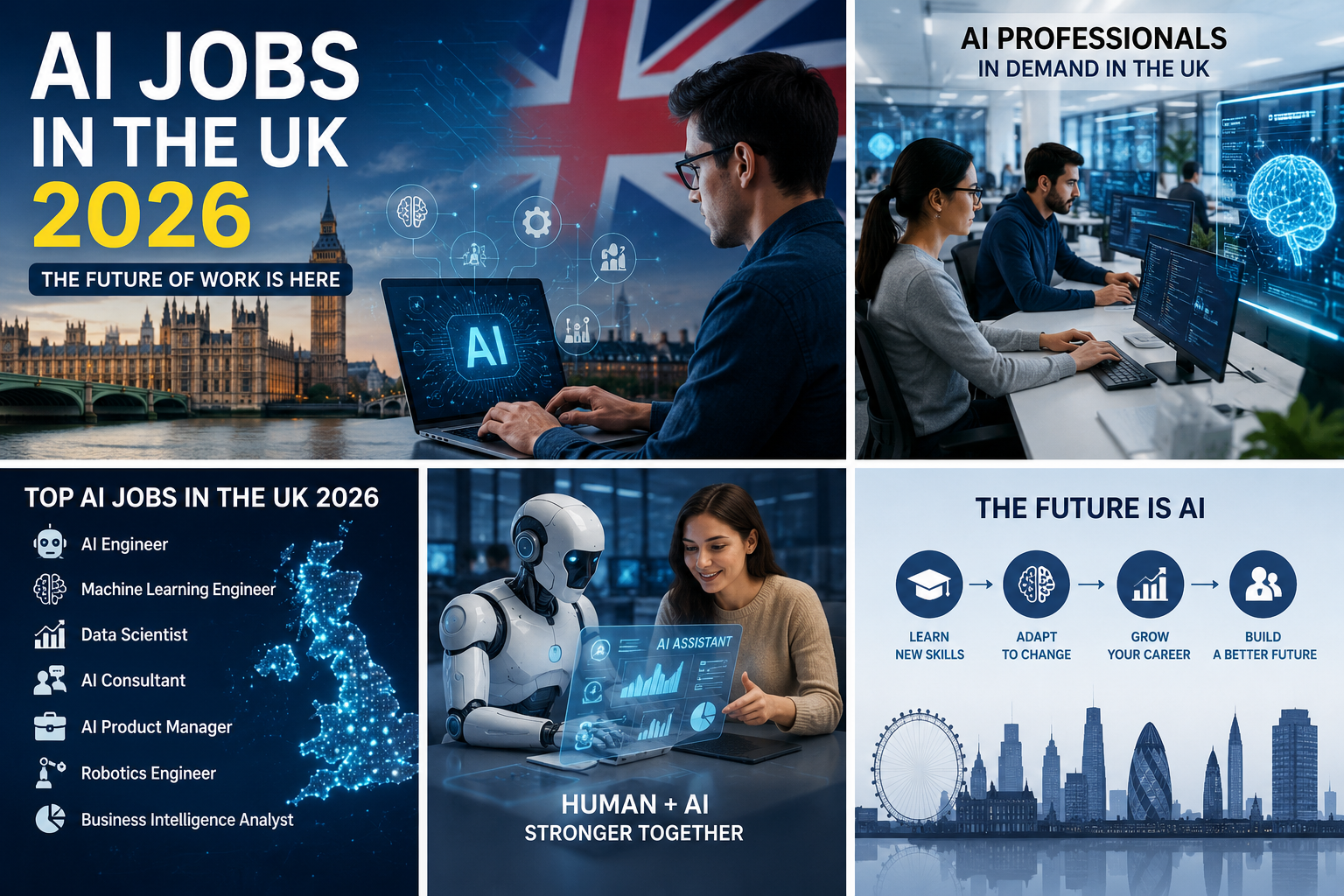
Artificial Intelligence, commonly known as AI, is no longer just a technology of the future. In 2026, it will become an important part of the UK job market. From technology companies and banks to healthcare, education, manufacturing and marketing, businesses are increasingly using AI to improve productivity and solve complex problems. As a result, a new generation of AI-related jobs is developing across the United Kingdom.
The interesting thing about the AI revolution is that it is not simply about replacing humans with machines. Instead, many companies are looking for people who can work with AI and use it effectively in their particular profession. According to PwC’s 2026 AI Jobs Barometer, specialist AI job postings in the UK increased by 61% in 2025, reaching around 180,000 postings. AI-related specialist roles represented about 2.2% of the overall UK job market.
What Kind of AI Jobs Are Growing
When people hear “AI jobs,” they often imagine computer scientists sitting in front of complicated machines. However, the reality is much broader.
One major category is AI and Machine Learning Engineers. These professionals develop systems that allow computers to learn from data and make predictions or decisions. They normally need knowledge of programming, mathematics, statistics and machine learning.
Another growing career is Data Scientist. Data scientists examine large amounts of information and use statistical and AI techniques to discover useful patterns. Their work can help businesses understand customers, improve products and make better decisions.
There is also increasing demand for AI specialists who apply existing AI tools to a particular industry. This is an important change in the UK market. PwC reported that AI-user roles grew much faster than developer roles in its analysis of 2025 UK job postings.
For example, a marketing professional might use AI to analyse customer behaviour, while a financial professional could use AI to identify patterns in financial data. This means that a person does not necessarily have to become a professional programmer to benefit from the AI job market.
AI Is Changing Traditional Careers
In reality, AI is changing the way people work in many industries.
This transformation does not automatically mean that every affected job will disappear. Recent research suggests that AI is often changing the tasks inside jobs rather than simply eliminating entire professions.
This creates a new type of worker: someone who combines professional knowledge with AI skills.
The Skills Employers Want in 2026
Technical knowledge remains important, but AI is also increasing the value of human skills.
People entering the UK job market should consider developing skills such as critical thinking, communication, creativity, problem-solving, teamwork and leadership. These skills become particularly useful when AI handles repetitive or basic tasks.
PwC’s research found that the skills required in highly AI-exposed jobs are changing more rapidly than those in less AI-exposed jobs. It also found stronger demand for human-intensive skills such as judgement, creativity and empathy.
Therefore, the strongest candidates may not be those who simply know how to use an AI tool. They may be people who understand when to use AI, how to evaluate its results and how to combine it with human judgement.
The Challenge for Young People and Graduates
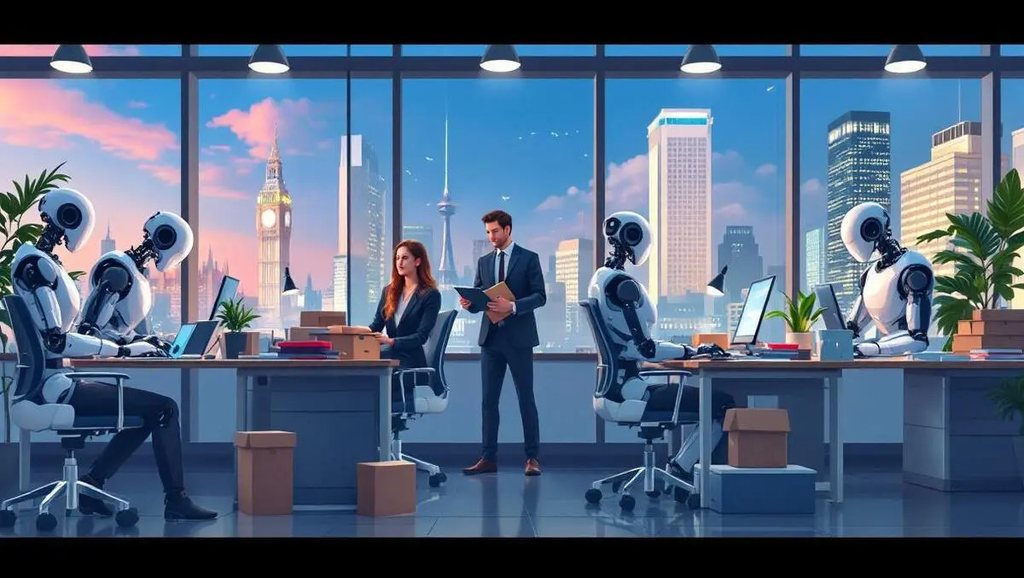
Although AI creates exciting opportunities, entering the UK job market in 2026 is not always easy. The wider employment market has become more competitive, particularly for young people and graduates. Recent reporting indicates that UK job postings have weakened while AI-related demand has continued to grow.
This means students should think beyond simply obtaining a degree. Building practical skills, completing projects and understanding modern AI tools can help them demonstrate what they can actually do. Someone interested in computer science could explore machine learning and data analysis. A person interested in writing or design could learn how AI can support, rather than replace, their creative process.
What Does the Future Look Like?
The future of AI employment in the UK will probably be a mixture of opportunity and competition. Some routine tasks will become increasingly automated, while new roles will emerge around AI development, implementation, management, safety and business applications.
The UK government’s AI Labour Market Survey also highlights the importance of understanding skills gaps and changing skill requirements in the country’s AI sector.
The most valuable employee of the future may therefore not be a person who competes against AI, but someone who knows how to use it responsibly and effectively.
Conclusion
AI jobs in the UK in 2026 represent more than a new category of employment. They are part of a much bigger transformation in the way people work. Opportunities are growing in machine learning, data science, AI engineering and industry-specific AI applications, while traditional careers are also being reshaped.
For students and future professionals, the message is simple: learning AI is becoming less about choosing a single career and more about preparing for almost every career. Those who combine technical knowledge with creativity, communication and good judgement will be better prepared for the changing UK workplace.
AI may be changing the rules of employment, but it is also creating a new opportunity: the chance to build careers that combine the strengths of both humans and intelligent technology.
FAQs
What jobs will be taken over by AI in 2026?
AI is most likely to automate repetitive and routine tasks in areas such as data entry, basic customer support, administration and simple content work.
What jobs will boom in 2026 in the UK?
AI, cybersecurity, healthcare, data science, software development and renewable-energy jobs are expected to offer strong opportunities in the UK.
Which jobs will AI replace in the UK?
AI may reduce demand for some repetitive roles, but in many cases it will change job tasks rather than completely replace the entire profession.
Will AI jobs be in demand in 2030?
Yes, AI-related skills and jobs are expected to remain highly valuable through 2030 as businesses continue adopting artificial intelligence.
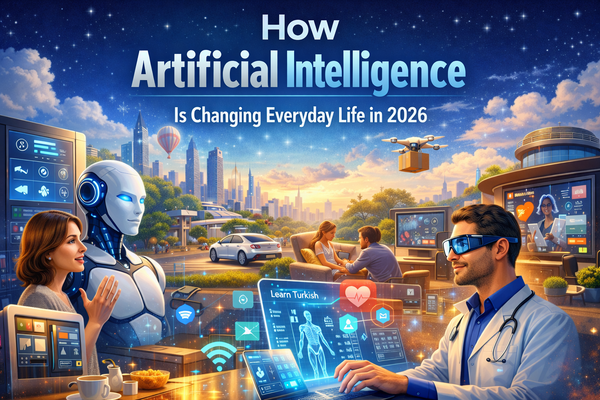
Artificial intelligence is no longer a technology limited to laboratories, large companies, or science-fiction movies. In 2026, AI will become part of many ordinary activities, from searching for information and planning a day to learning, shopping, working, and managing healthcare. The biggest change is that people are moving from simply using AI tools to working alongside AI assistants that can understand instructions, process information, and help complete everyday tasks.
As AI becomes more capable, its influence on daily life is becoming easier to notice. Here are some of the most important ways artificial intelligence is changing everyday life in 2026.
1. AI Assistants Are Becoming More Useful
AI assistants are evolving beyond simple question-and-answer chatbots. Modern systems can help users organise information, draft messages, summarise documents, plan activities, and manage multiple steps of a task.
Voice interaction is also becoming increasingly important. Instead of typing every request, people can speak naturally to AI and continue a conversation. This makes AI more convenient for people who are driving, cooking, working, or simply prefer talking rather than typing.
The trend toward more capable AI agents means everyday technology is gradually moving from “answering questions” toward “helping complete tasks.”
2. AI Is Transforming the Workplace
For many workers, AI has become a practical productivity tool. It can help write emails, prepare reports, analyse information, organise meetings, generate ideas, and handle repetitive administrative work.
The goal is not necessarily to replace every employee. Instead, AI can take care of time-consuming tasks while people concentrate on decision-making, creativity, communication, and responsibilities that require human judgement.
In 2026, knowing how to work effectively with AI is becoming an increasingly valuable workplace skill. The UK government’s 2026 research also highlights the growing importance of AI skills for both everyday life and employment.
3. Education Is Becoming More Personalised
Students can use AI to explain difficult concepts, practise questions, brainstorm ideas, and receive feedback. Teachers can also use AI to create lesson materials, adapt activities, and reduce some administrative work.
However, AI works best as a learning assistant rather than a replacement for teachers. Students still need to develop critical thinking and verify information instead of accepting every AI-generated answer.
The OECD’s 2026 Digital Education Outlook emphasises the importance of developing educational AI around real classroom needs while maintaining teacher autonomy.
4. Healthcare Is Becoming More AI-Powered
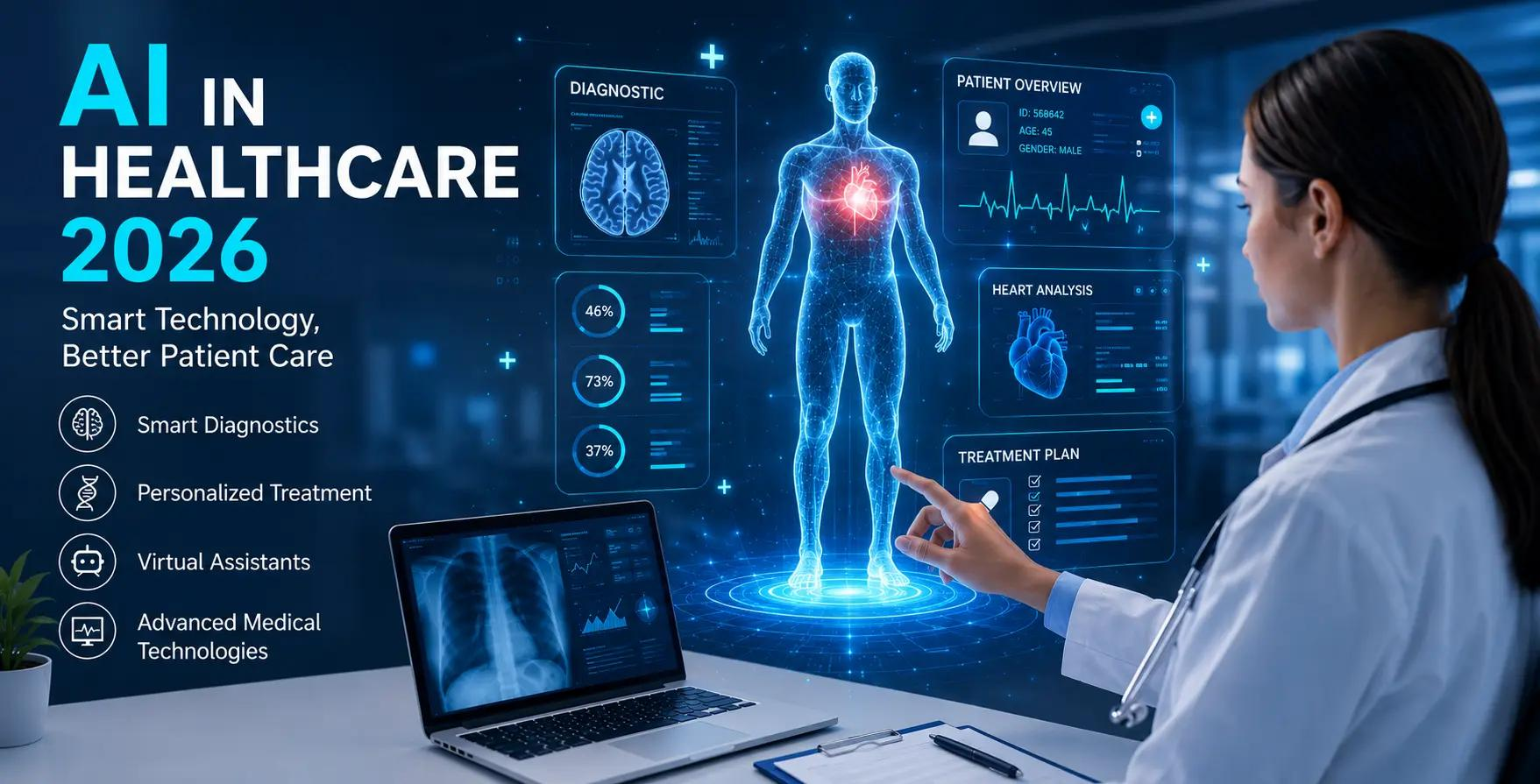
Healthcare is another area where AI is moving closer to everyday life. AI systems can assist with administrative work, medical documentation, information processing, care navigation, and some forms of clinical decision support.
In England, NHS England announced access to AI tools for more than 500,000 staff, with the aim of reducing administrative work and giving healthcare professionals more time for patients.
AI-powered healthcare assistants are also emerging for consumers. These tools can help people understand health information and navigate healthcare services, although professional medical advice remains essential for diagnosis and treatment.
5. Shopping Is Becoming More Artificial Intelligence
Online shopping is increasingly influenced by AI. Recommendation systems can analyse what people search for, view, or purchase and then suggest products that may match their interests.
In the future, shoppers may spend less time browsing hundreds of products manually. Instead, they can describe what they need and allow an AI assistant to compare options, explain differences, and help narrow down the choices.
This can make online shopping faster, but consumers should still check prices, reviews, specifications, and return policies before making purchases.
6. AI Is Changing the Way People Search for Information of Artificial Intelligence
Traditional search usually requires users to enter keywords and browse several pages. AI-powered search allows people to ask questions conversationally and receive information in a more direct format.
This is particularly useful for complicated questions where users want an explanation rather than a list of links. However, AI-generated answers can still contain errors, outdated information, or misleading claims.
For important subjects such as finance, law, health, and current events, users should continue checking reliable sources.
7. Smart Homes Are Becoming Smarter
AI is also improving the way people interact with their homes. Smart thermostats, security systems, appliances, cameras, and lighting can use data to recognise patterns and automate certain activities.
For example, an intelligent home system could learn preferred temperatures, detect unusual activity, or help reduce unnecessary energy consumption.
As AI becomes more connected with household devices, the home could increasingly respond to people’s routines rather than simply following individual commands.
8. AI Is Making Travel More Convenient
Planning a trip can involve comparing flights, hotels, transportation, attractions, restaurants, and schedules. AI can bring these tasks together by helping travellers create personalised itineraries.
Instead of searching separately for every part of a journey, users can describe their budget, interests, available time, and preferred activities. An AI assistant can then help organise the information into a practical travel plan.
Translation and voice AI can also make communication easier for travellers visiting countries where they do not speak the local language.
9. Artificial Intelligence Personal Finance Is Becoming More Automated
AI is increasingly being used to analyse financial information, identify unusual transactions, categorise spending, and provide budgeting assistance.
For everyday users, this could make it easier to understand where money is going and identify opportunities to control unnecessary spending.
However, financial decisions should not be based entirely on AI recommendations. Users should verify important information and consider professional advice when dealing with significant financial decisions.
10. Artificial Intelligence AI Brings New Risks Along With New Benefits
The rapid growth of AI also creates challenges. Privacy, misinformation, deepfakes, cybersecurity, biased outputs, and excessive dependence on automated systems are becoming important concerns.
As AI systems become more autonomous, questions about how much control they should have are also becoming more serious. Recent 2026 research and reporting have highlighted concerns about increasingly capable AI systems behaving unpredictably or deceptively.
This means AI literacy is becoming just as important as AI adoption. People need to understand not only what AI can do, but also when its output should be questioned.
The Future of Artificial Intelligence AI in Everyday Life
The most important change in 2026 is that AI is becoming less visible as a separate technology and more integrated into everyday services. It can appear inside phones, search engines, workplace software, healthcare systems, education platforms, vehicles, shopping services, and smart homes.
The future is unlikely to be about humans simply handing everything over to machines. A more realistic direction is human-AI collaboration, where artificial intelligence handles information-heavy and repetitive tasks while people provide judgement, creativity, empathy, and responsibility.
Conclusion
Artificial intelligence is changing everyday life in 2026 by making many digital experiences faster, more personalised, and more automated. From AI assistants and workplace productivity to education, healthcare, shopping, travel, and smart homes, its influence can already be seen across everyday activities.
At the same time, AI should be used thoughtfully. Its answers need verification, personal information needs protection, and important decisions should not rely blindly on automated systems.
The real impact of AI will not simply be measured by how advanced the technology becomes. It will depend on how intelligently and responsibly people choose to use it.
Frequently Asked Questions
1. How is AI changing everyday life in 2026?
AI is making everyday tasks faster and easier, from work and education to shopping, travel, and personal productivity.
2. What are common uses of AI in daily life?
People use AI assistants, smart home devices, search tools, translation apps, shopping recommendations, and productivity software.
3. Will AI replace human jobs?
AI may automate repetitive tasks, but human creativity, judgement, communication, and problem-solving will remain important.
4. How does AI help students?
AI can explain difficult topics, provide practice questions, generate ideas, and offer personalised learning support.
5. Is artificial intelligence safe?
AI can be useful when used responsibly, but users should protect personal information and verify important AI-generated information.
6. How is AI improving healthcare?
AI can help with medical administration, documentation, information processing, and some forms of healthcare support.
7. What is the future of AI?
AI is expected to become increasingly integrated into smartphones, workplaces, homes, education, healthcare, and other everyday services.
-

 UK News3 months ago
UK Wildfires 2026: Why Are Fires Spreading and Which Areas Are at Risk?
-

 Crypto4 months ago
Crypto Trading May Be Algorithmic in the Future, but Not Completely Autonomous
-

 Fashion5 months ago
Here are the Top 8 Luxury Clothing Brands in the UK for 2026?
-

 Fashion5 months ago
How to Build a Capsule Wardrobe on a UK Budget?
-
 Technology & AI6 months ago
Depomin82: Rethinking Digital Infrastructure for a Smarter Connected Future
-

 Business6 months ago
The Hidden Expenses in eCommerce Accounting: The Reasons Most UK Online Retailers Calculate Profit incorrectly
-

 Celebrity5 months ago
Liam Costner: Life, Career, and Family Beyond Hollywood
-

 Celebrity5 months ago
Tom Hardy Net Worth in 2026: Salary, Earnings & Career Highlights