
UK News
Tulisa Contostavlos Calls for UK Press Reform: Why the Debate Matters in 2026


Introduction
More than a decade after a series of events dramatically altered her career, British singer and television personality Tulisa Contostavlos has once again become the focus of national conversation—this time not because of music or reality television, but because of her campaign for stronger press regulation in the UK.
In 2026, Tulisa launched the “Fix the Press” campaign, calling for a genuinely independent regulator that can investigate complaints and hold newspapers accountable while protecting responsible journalism. Her campaign has reignited a long-running debate about where the balance should lie between press
freedom, public interest, and individual privacy.
Why Is Tulisa Speaking Out Now?
Tulsa’s campaign is rooted in her own experiences with the British media.
She has spoken publicly about the impact of a leaked intimate video, intense tabloid coverage, and the 2013 undercover newspaper sting that resulted in criminal charges against her.
Those charges were later dismissed after the court found serious issues with evidence presented by the undercover journalist involved in the case. The experience had a lasting impact on both her personal life and professional career.
Today, Tulisa says her campaign is not about revenge but about ensuring that future public figures—and ordinary people—have access to a fairer and more accountable complaints system.
The “Fix the Press” Campaign
At the center of Tulsa’s campaign is a proposal for an independent press regulator that is not controlled or funded by the newspaper industry itself.
The campaign argues that stronger oversight could help improve accountability while preserving the important role of investigative journalism in a democratic society.
It also calls for a complaints process that is more transparent and accessible to individuals who believe they have been treated unfairly by sections of the media.
Why the Issue Remains Relevant
The debate over press regulation in Britain is not new.
Following the phone-hacking scandal and the lesson Inquiry, the UK introduced changes intended to improve journalistic standards.
However, critics have argued that the current system does not go far enough, while others warn that increased regulation could threaten media independence.
Tulsa’s campaign has brought these unresolved questions back into public discussion, highlighting the continuing challenge of balancing two important democratic values:
- Protecting freedom of the press.
- Protecting individuals from unethical reporting.
Finding the right balance remains one of the most complex issues facing modern journalism.
Supporters’ Perspective
Supporters of stronger regulation argue that public figures should not lose their right to privacy simply because they are famous.
They believe a truly independent regulator could:
- Investigate complaints fairly.
- Encourage higher ethical standards.
- Reduce harmful reporting practices.
- Increase public trust in journalism.
Many campaigners also argue that greater accountability benefits both readers and responsible news organizations.
Critics’ Concerns
Not everyone agrees with Tulsa’s proposals.
Some journalists, editors, and free-speech advocates argue that increasing regulatory powers could unintentionally discourage investigative reporting.
They caution that any reforms must avoid limiting the media’s ability to expose corruption, misconduct, or matters of genuine public interest.
These concerns reflect the ongoing tension between protecting individuals and preserving editorial independence.
The Social Media Challenge
While newspapers remain influential, stories now spread rapidly across social media platforms, often reaching millions within hours.
Tulisa has acknowledged that online platforms present their own challenges, but argues that traditional media still frequently sets the agenda for wider public discussion.
As digital platforms continue to evolve, policymakers may face increasing pressure to consider how both traditional media and online services should be held accountable.
Why This Debate Matters Beyond Celebrities

Although Tulsa’s campaign stems from her personal experiences, the discussion extends far beyond the entertainment industry.
Questions about privacy, responsible reporting, misinformation, and media ethics affect politicians, businesses, public institutions, and ordinary citizens alike.
The outcome of these debates could influence future media regulation, journalism standards, and public confidence in news organizations across the UK.
Looking Ahead
Whether Tulsa’s campaign leads to legislative change remains uncertain. However, it has already succeeded in drawing renewed attention to one of the UK’s most important media policy discussions.
As technology changes the way news is produced and shared, policymakers, journalists, and the public will continue to grapple with how best to protect both freedom of expression and individual rights.
Conclusion
Tulisa contraltos’ call for UK press reform has reopened an important national conversation about accountability, ethics, and press freedom.
Her campaign reflects broader questions about how modern journalism should operate in an era of instant news, viral social media, and heightened public scrutiny.
Regardless of where people stand on the issue, the debate highlights the continuing need to balance a free press with fair treatment of individuals.
As the UK’s media landscape evolves, discussions like these are likely to remain central to the future of responsible journalism.

November 2026 brings several important changes across the United Kingdom, covering immigration, student visas, online content, vehicles and financial markets. Here is a clear overview of what is changing and who is affected.
1. Earned Settlement: A New Path to Permanent Residence
The biggest headline came on 2 November. The Home Office announced that the right to live in the UK permanently will no longer be granted almost automatically after five years. It will be earned under a new model set before Parliament that day.
Under the new system, waiting times depend on contribution and character:
- The highest earners will be able to settle within three years.
- People earning more than £50,271, along with some public service workers such as doctors, nurses and teachers, will settle after five years.
- Everyone else faces a new default of ten years, and those who have breached immigration rules must wait at least twenty.
Every applicant must also meet four conditions. These are a spotless criminal record, a high standard of spoken English, no debt owed to the taxpayer, and a record of sustained National Insurance contributions.
Care workers get a specific carve-out. Those who met their visa conditions and earned at least £25,000 a year can settle after five years. People who do not qualify for the five-year route, around a quarter of the total, will be offered a new five-year visa and can apply for settlement only after completing it.
The policy also covers refugees. Those arriving on approved routes can settle after five years, while anyone who arrived by small boat or other clandestine means faces an additional ten-year wait. The government says settled status will never be removed from anyone who already holds it.
Note that this policy has only just been laid before Parliament. Check GOV.UK for the implementation date and final details.

2. Wider Immigration Rule Changes
The Home Office published statement of changes HC 584 on 3 September 2026, with different provisions taking effect on 8 October, 29 October, 30 November and 9 December. If you have a pending or planned application, confirm which date applies to your route.
3. Higher Funds for Student Visas
International students should prepare early. From 30 November 2026, applicants for a student visa will need to show more money for living expenses. Students applying from countries like Pakistan should gather bank statements well in advance and check the exact figure on GOV.UK before applying.
4. Ban on Extreme Pornography
From 6 November 2026, the UK will ban extreme pornography, including content showing strangulation, incest, or adults pretending to be children under 16. The change will matter to online platforms, which may need to tighten their moderation policies.
5. Euro 7 Emissions Standards
On the roads, reports say new cars and vans must meet Euro 7 emissions standards from 29 November 2026. For buyers, that points to cleaner vehicles and possibly higher prices. The exact scope is best confirmed with official Department for Transport guidance.
6. Short Selling: Second Phase
Financial firms face a deadline too. The FCA’s revised short selling rules mostly took effect on 13 July 2026, and bulk reporting follows in a second phase on 30 November 2026. This mainly affects firms and professional investors rather than ordinary savers.
7. Electronic Travel Authorisation (ETA)
Travellers should also keep the ETA in mind. Under the rules, visitors who do not need a visa for stays of up to six months, and who do not already hold longer-term UK status, must obtain an ETA. Apply only through official channels and be wary of third-party sites that add unnecessary fees.
Conclusion
The most significant shift this month is the move to earned settlement. It could change long-term plans for many workers and families. Students, travellers, drivers and financial firms are also affected by the dates above. Rules can change and implementation details often follow later, so always verify on GOV.UK or with a qualified immigration adviser before acting.
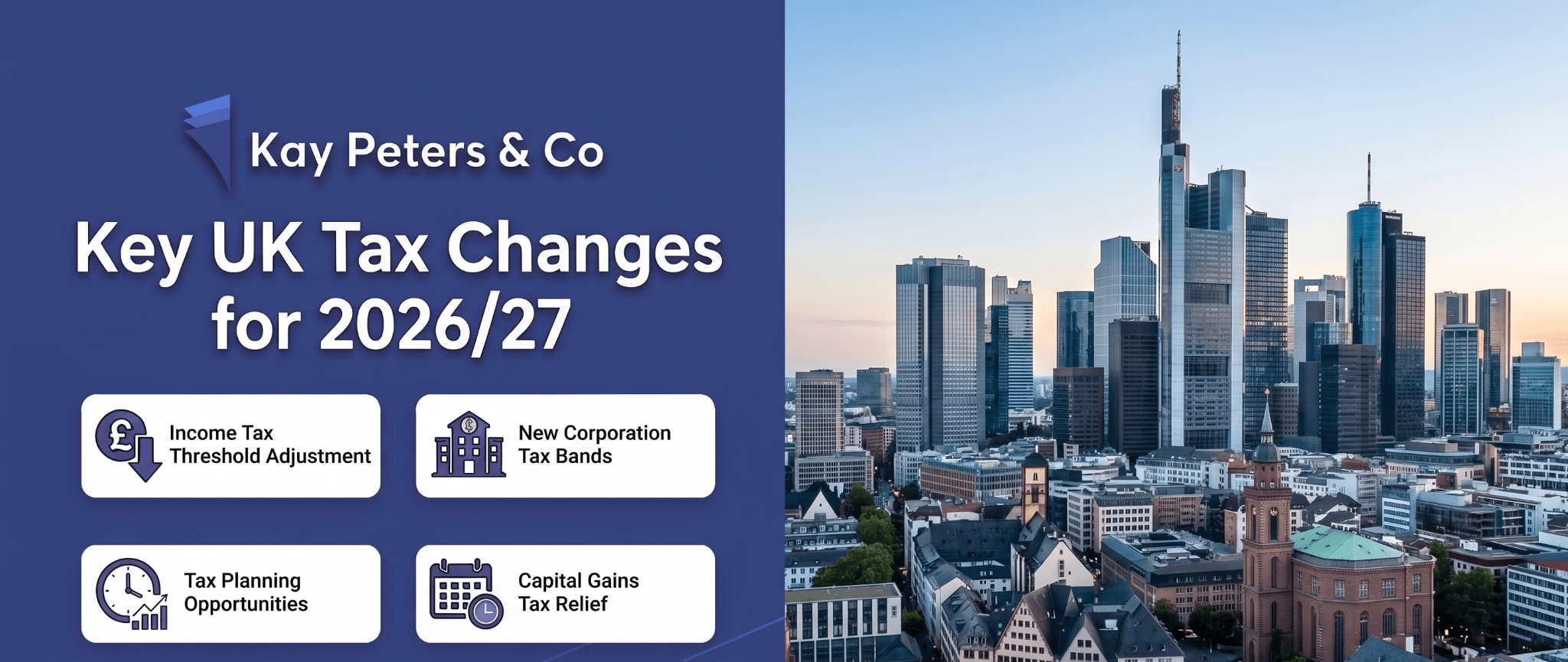
The UK tax system entered a new phase in 2026, with changes affecting employees, self-employed workers, investors and businesses. While some major tax rates remain unchanged, frozen allowances, UK news administrative measures and planned reforms are likely to influence how people manage their finances during the 2026–27 tax year.
The current UK tax year runs from 6 April 2026 to 5 April 2027.
Income UK Tax Allowances Remain Frozen
One of the most important points for taxpayers in 2026 is that the standard Personal Allowance remains £12,570. This is the amount most individuals can earn before Income Tax becomes payable.
The basic-rate band also remains unchanged. For taxpayers in England, Wales and Northern Ireland, the basic rate is 20% on taxable income up to £37,700, while the higher rate is 40% on income above that level within the applicable band.
The Personal Allowance is reduced for people with adjusted net income above £100,000 and can fall to zero once income reaches £125,140.
UK Tax National Insurance Thresholds
National Insurance thresholds continue to be closely linked with the Income Tax system. The government has previously confirmed that key thresholds will remain fixed through the relevant tax years, including the £12,570 Personal Allowance and the £50,270 higher-rate threshold.
For employees, this means that the amount of salary subject to Income Tax and National Insurance continues to be an important consideration when assessing take-home pay.
Dividend UK Tax and Savings
The Dividend Allowance remains £500 for the 2026–27 tax year. Once dividends exceed the allowance, the applicable dividend tax rate depends on the taxpayer’s Income Tax band.
This makes tax planning particularly relevant for company directors, shareholders and people receiving investment income.
UK Tax Capital Gains Tax Remains an Important Consideration
People selling investments, property or other taxable assets may need to consider Capital Gains Tax. The tax treatment can vary depending on the asset, the individual’s circumstances and the type of relief available.
The government has also introduced further measures and consultations around Capital Gains Tax as part of its wider 2026 tax programme. These changes show that the tax system is continuing to evolve rather than simply relying on annual rate increases.
New Tax Administration Measures
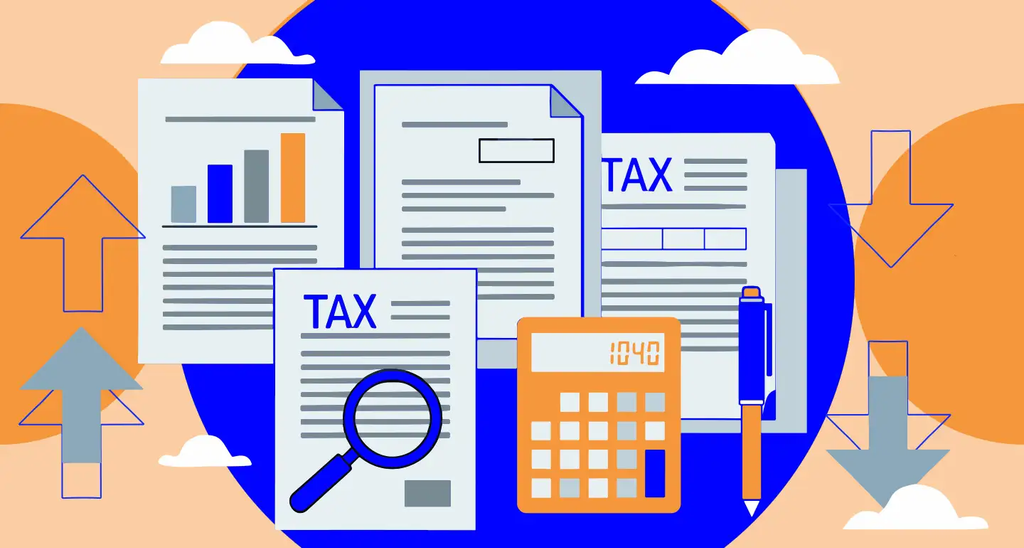
The 2026 tax update places significant emphasis on simplification, modernisation and fairness.
The government has announced measures covering areas such as online marketplace compliance, tax debt collection and the timing of Income Tax Self Assessment payments. Some of these measures are still subject to consultation, meaning their final details may change.
This is particularly relevant to self-employed people and small businesses, which may need to pay closer attention to reporting requirements and payment schedules.
Businesses Face a Changing UK Tax Environment
Businesses are also being affected by reforms designed to modernise the tax system. HMRC’s 2026 tax programme includes proposals intended to reduce administrative burdens while improving compliance.
The government has also published draft legislation for the Finance Bill 2026–27. However, the final content of future legislation can change before Parliament completes the legislative process.
For companies and business owners, keeping financial records up to date and monitoring official HMRC announcements is therefore increasingly important.
What Do the 2026 UK Tax Changes Mean for You?
For many taxpayers, the biggest issue is not a dramatic change in the headline Income Tax rates. Instead, frozen allowances and thresholds can gradually increase the amount of income exposed to tax as wages and prices change.
Employees should review their tax codes and Personal Allowance, while self-employed workers and investors should keep accurate records of income, expenses and taxable gains.
HMRC provides an online service where individuals can check their tax code, Personal Allowance and estimated Income Tax for the current year.
Final Thoughts
The UK tax changes in 2026 are a mixture of unchanged rates, frozen thresholds and wider reforms to the way the tax system operates. For individuals, understanding Personal Allowance, Income Tax bands, National Insurance and investment income remains essential.
For businesses and self-employed workers, the focus should also be on compliance and upcoming changes to tax administration.
As the government continues to consult on new measures, taxpayers should rely on the latest HMRC guidance before making important financial decisions. The 2026 tax year is therefore less about one single major tax increase and more about a gradually changing tax landscape.
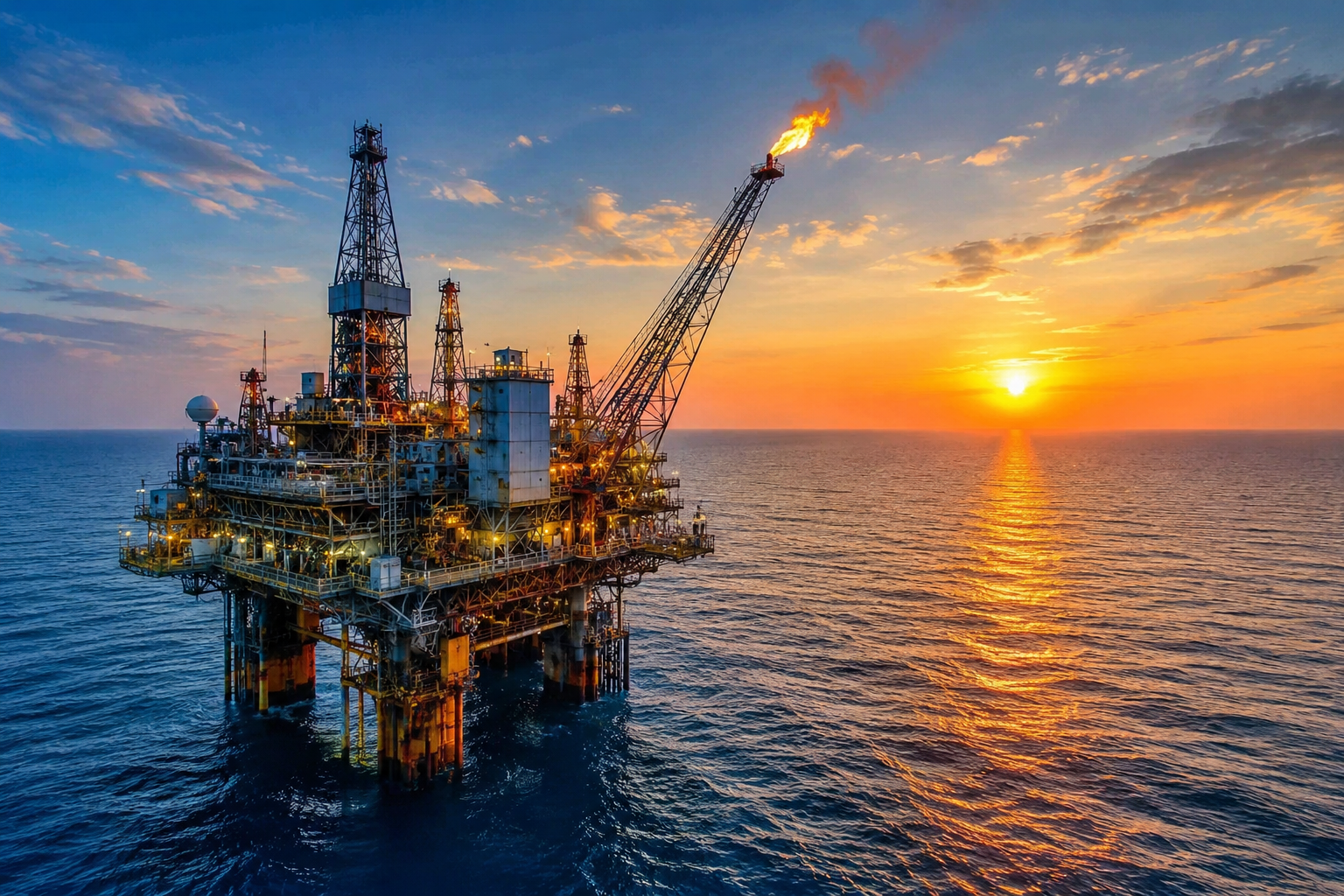
The North Sea oil and gas industry has played an important role in the United Kingdom’s economy and energy system for decades. From offshore platforms to engineering companies, ports and supply chains, the sector has supported thousands of jobs and contributed to the country’s energy security. However, in 2026, the North Sea is entering a new chapter as the UK balances energy security, existing oil and gas production and the transition towards cleaner energy.
The North Sea is no longer viewed only as an oil and gas region. It is increasingly becoming a major part of the UK’s wider offshore energy future, including offshore wind, carbon capture and storage and other emerging technologies.
Why Is the North Sea Oil Important to the UK?
Oil and gas have historically supplied a significant part of the UK’s energy needs. The industry has also created employment and economic activity in Scotland and other parts of the UK.
Aberdeen, often described as a major centre of the UK’s offshore energy industry, has developed a large network of engineers, technicians, service companies and energy professionals. The skills developed through oil and gas can also be valuable in emerging clean-energy industries.
Industry representatives continue to argue that domestic production can contribute to energy security and support jobs. Offshore Energies UK estimates that the oil and gas sector supports around 115,000 jobs across the UK.
The North Sea Oil and Gas Industry Is Changing
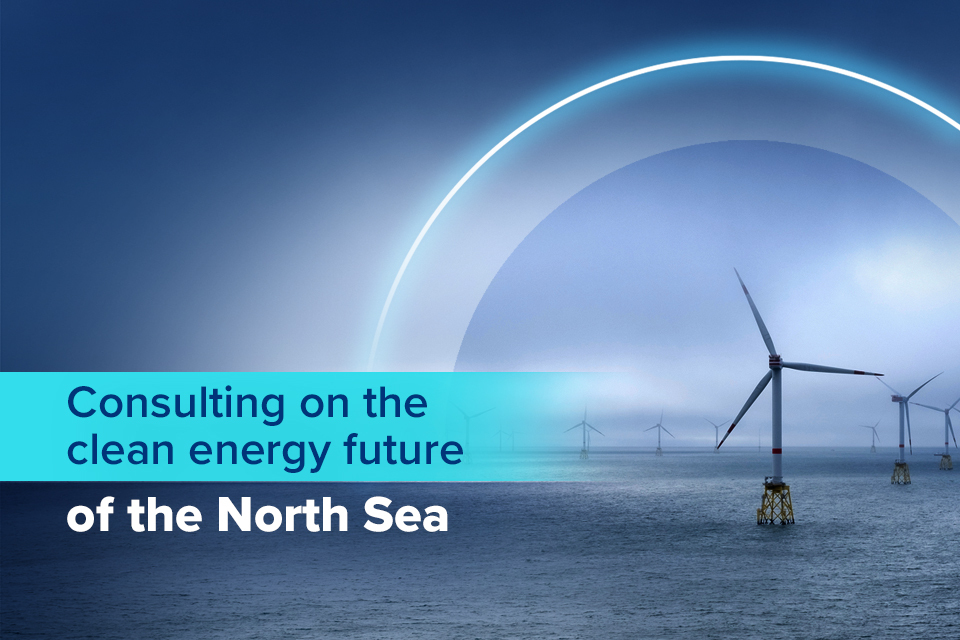
One of the biggest changes facing the industry is the natural decline in North Sea production. UK government information states that North Sea oil and gas production declined by around 75% between 1999 and 2024.
At the same time, the UK government has adopted a policy focused on managing existing oil and gas fields while developing clean-energy industries. Its North Sea Future Plan aims to support existing fields through their lifespan while moving the region towards a broader offshore clean-energy economy.
This means the future of the North Sea is not simply about stopping one industry and starting another. Instead, the region is going through a gradual energy transition.
What Is Happening to North Sea Oil Jobs?
Employment is an important part of the debate surrounding the future of the industry. Many workers have highly specialised offshore skills, including engineering, project management, maintenance, safety and technical operations.
The UK and Scottish governments are therefore investing in programmes designed to help oil and gas workers move into growing industries. In June 2026, the government announced an additional £6 million investment to expand support for more than 1,000 oil and gas workers in Scotland. The programme is designed to help workers access opportunities in areas such as clean energy and advanced manufacturing.
This approach could allow experienced North Sea workers to transfer their knowledge into new areas rather than leaving the energy sector completely.
North Sea Oil Offshore Wind and the New Energy Economy
Offshore wind is one of the most important parts of the UK’s North Sea energy strategy. The same waters and many of the same engineering capabilities used by the oil and gas industry can also support offshore renewable projects.
The UK government has highlighted major offshore wind opportunities in the North Sea. In January 2026, it noted that projects such as Berwick Bank and Pentland floating offshore wind could support thousands of jobs in Scotland.
This creates an opportunity for the North Sea to remain an important energy region even as the role of fossil fuels gradually changes.
Carbon Capture and Other Technologies
Another part of the North Sea’s future is carbon capture and storage, commonly known as CCS. The region has geological characteristics and existing offshore infrastructure that can potentially support carbon-storage projects.
Decommissioning is also becoming increasingly important. As older oil and gas fields reach the end of their productive lives, companies need specialists to safely remove or manage offshore infrastructure.
Recent UK projects demonstrate that decommissioning is already becoming an active part of the North Sea energy economy.
What Does the Future Hold?
The future of North Sea oil and gas in the UK is likely to be more diverse than in the past. Oil and gas will continue to have a role during the transition, while investment increasingly moves towards offshore wind, carbon capture, decommissioning and other clean-energy technologies.
The government established the North Sea Future Board in 2026 to bring together government, industry, trade unions and regional organisations. Its purpose includes supporting investment, jobs and the wider energy transition across the North Sea.
For workers and businesses, this transition creates both challenges and opportunities. Traditional oil and gas expertise remains valuable, but workers may increasingly need additional skills for renewable energy and other technologies.
Conclusion
The North Sea oil and gas industry in the UK is changing, but its story is far from over. Existing oil and gas production, energy security, decommissioning and new clean-energy industries are becoming connected parts of the region’s future.
The biggest opportunity may be to use the North Sea’s existing workforce, infrastructure and technical expertise to build a broader offshore energy industry.
If the transition is managed effectively, the North Sea could remain an important source of jobs, investment and energy for the UK—while gradually becoming a cleaner and more diverse energy hub.
FAQ
Will the UK open up North Sea Oil?
The UK government plans to continue managing existing North Sea oil and gas fields throughout their lifespan, but it does not plan to issue new licences for exploring new fields.
What is the projected future of the oil and gas industry in 2026?
Oil and gas will continue to play a role in the UK energy mix, while the industry gradually shifts towards offshore wind, carbon capture, hydrogen and decommissioning.
What is the future of gas in the UK?
Gas is expected to remain part of the UK’s energy system during the transition, while gas consumption and dependence on fossil fuels are expected to decline as clean energy expands.
What is the future of the oil and gas industry?
The industry is likely to become smaller over time in the North Sea, but its workers, skills and infrastructure can support growing sectors such as offshore wind, carbon capture and hydrogen.
-

 UK News3 months ago
UK Wildfires 2026: Why Are Fires Spreading and Which Areas Are at Risk?
-

 Crypto3 months ago
Crypto Trading May Be Algorithmic in the Future, but Not Completely Autonomous
-

 Fashion5 months ago
Here are the Top 8 Luxury Clothing Brands in the UK for 2026?
-

 Fashion5 months ago
How to Build a Capsule Wardrobe on a UK Budget?
-

 Technology & AI6 months ago
Depomin82: Rethinking Digital Infrastructure for a Smarter Connected Future
-

 Business5 months ago
The Hidden Expenses in eCommerce Accounting: The Reasons Most UK Online Retailers Calculate Profit incorrectly
-

 Celebrity4 months ago
Liam Costner: Life, Career, and Family Beyond Hollywood
-

 Blog6 months ago
Fanisco: The Quiet Architecture Behind Tomorrow’s Digital Connections